

A Quiet Contest in the Meeting Room
Here is the hard truth: big rooms do not forgive weak audio. You roll into a hybrid summit, mics hot, screens up, and the air hums with side chatter and HVAC. An interpretation system sits at the core in the second row of gear, invisible but decisive. Even with a modern conference translation device, the wrong chain can still add 200 ms latency and 3 dB drift per hop—funny how that works, right? Last quarter’s event data from three venues showed a 9% packet loss during Q&A and spikes on the RF spectrum when cameras moved. So ask yourself: are we fighting the room, or our own setup?
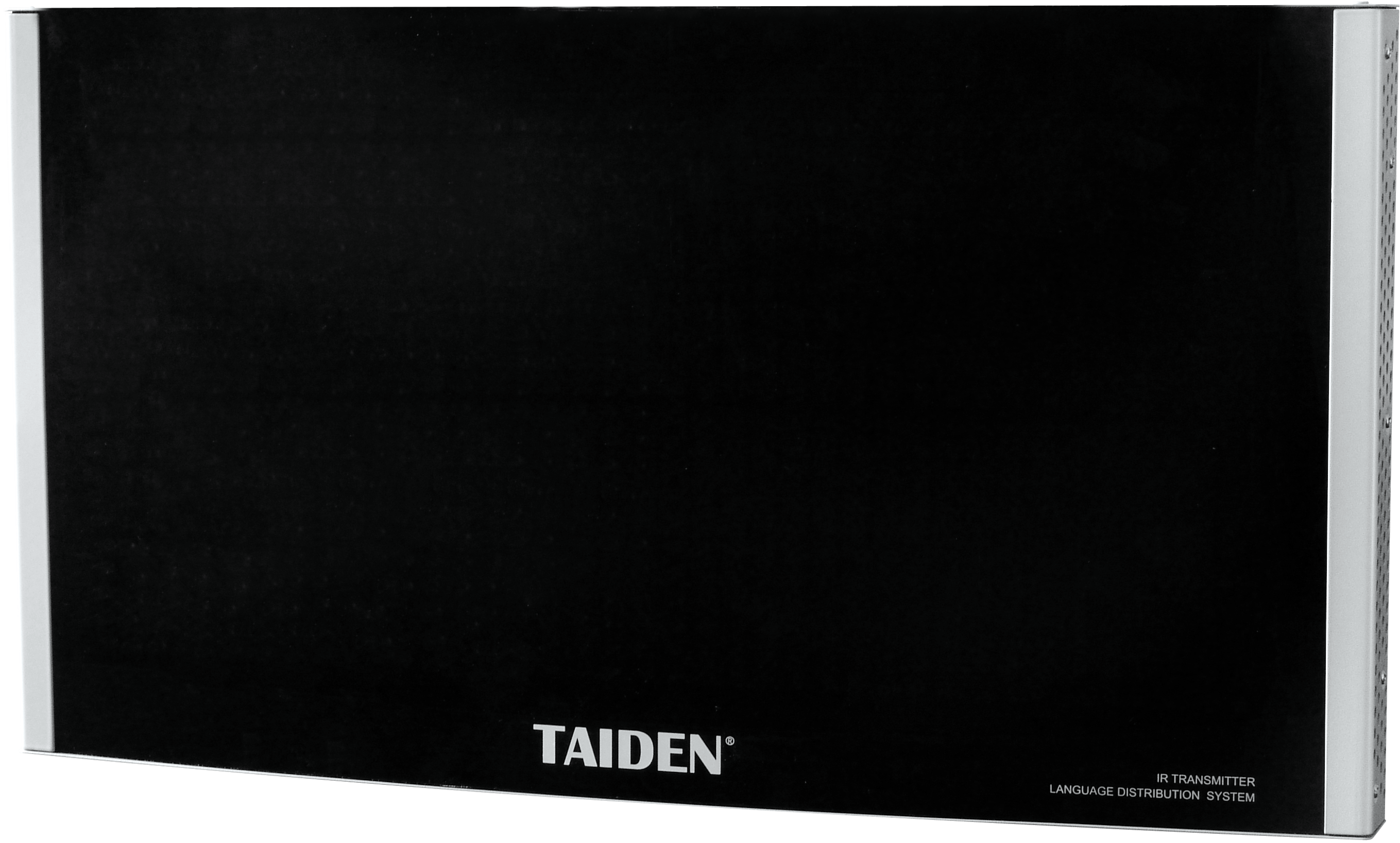
Direct answer: both. The room is loud and complex; the stack is often more complex. We push multiple codecs, add ad hoc extenders, and forget gain structure. It all compounds. Multicast streams pass through unmanaged switches. A single power loop trips a ground. Then interpreters chase echoes. We can do better—by comparing what we think works versus what actually delivers under load. Let’s break that down next.
Under the Surface: Traditional Fixes That Create New Problems
Why do gaps persist?
Legacy fixes look safe. More RF channels, more boosters, more “compatible” boxes. But each extra hop adds jitter. Each converter adds noise. In older chains, you see mixed analog-digital paths, uneven DSP pipeline stages, and codecs that do not agree on bit depth. Add a few set-top receivers and cheap power converters, and your noise floor creeps up. The result is interpreter fatigue and missed cues. It is not only about volume; it is about phase, latency, and stability across the whole link.

Look, it’s simpler than you think. The usual pain points hide in small places: unmanaged PoE switches that ignore QoS; poor antenna placement that causes RF interference; edge computing nodes pushed to 100% CPU during peak translation; and batteries that sag under load. When you mix these, a handover between speakers becomes a mess. Listeners hear a “swimmy” tail from the audio codec and a half-beat delay. Interpreters hear themselves twice. The classic fix is to turn things up—yet that makes the echo worse. Cut the hops, harden the transport, and give interpreters a clean send. That is the deeper layer we often skip—and it shows.
Forward-Looking: Comparing Design Principles That Actually Hold
What’s Next
Now, let’s shift to principles that survive real rooms. Digital infrared with smart error correction avoids crowded RF bands. Networked audio with strict QoS and clock sync keeps latency under a tight cap. Think single-path transport, predictable buffering, and automatic redundancy. Instead of stacking adapters, build a native pipeline from mic preamps to interpreter console to delegate receivers. Add health telemetry at each node (packet loss, SNR, temperature). Then, even when cameras pan or doors open, the chain holds. When a system supports 40 channel audio without re-encoding midstream, interpreters get consistent tone and delegates get instant pickup across languages—no half-beat wobble.
This is not hype; it is engineering done clean. Match DSP stages end-to-end. Use stable clocking and proper gain. Protect links with encryption and a redundant backhaul. In trials we saw that a lean path beats a “feature rich” stack by a clear margin—funny how that works, right? Summing up the earlier issues, the fix is not louder gear; it is fewer conversions, smarter routing, and load-aware design. With that, you reduce interpreter fatigue, sharpen intelligibility, and keep your floor feed intact even under stress.
Three Checks Before You Choose
Advisory close. Measure what matters: 1) Latency budget in the full chain, end-to-end under load—target sub-120 ms with stable jitter. 2) Transport resilience—error correction, RF or IR isolation, and QoS that holds during peak traffic; verify with live packet-loss logs. 3) Channel integrity—native support for high-density programs like 40 channel audio without re-encoding, plus clear monitoring of SNR and headroom. If a platform hits these three, the rest is routine setup and proper room gain. That is how an interpretation system wins in real rooms, not just on paper. For a grounded reference point, look at TAIDEN.