
Introduction: When the Room Looks Ready, But the Audio Isn’t
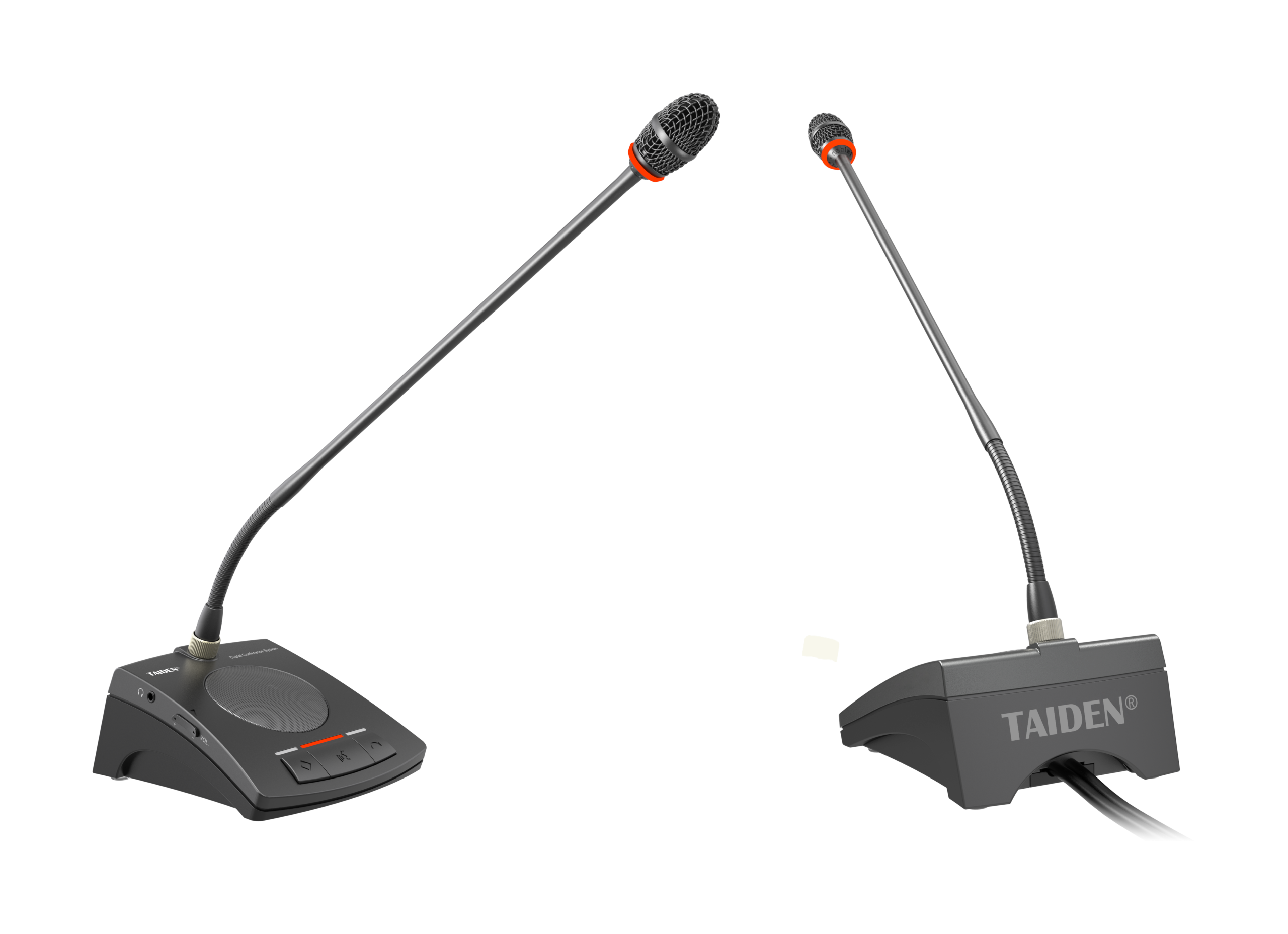
Define the chain, and you define the outcome. The conference room speaker and microphone system seems simple, but it often is not. Picture a polished boardroom at 9:00—screens on, slides ready, remote guests waiting. Then someone speaks, and the first five words vanish under room noise and echo. Recent enterprise reports show many hybrid sessions still suffer from low intelligibility and restarts due to audio faults. Modern digital audio products promise clarity, yet the reality is mixed—because the issue lives deeper in the signal chain. When acoustic echo cancellation (AEC) is misaligned, gain structure drifts, and the noise floor rises, even expensive gear stumbles. So the scenario is familiar; the data backs it; the only question is why.

Why do legacy setups fall short?
Traditional rooms depend on patchwork: analog splits, ceiling speakers far from the talker, and a DSP block that treats all signals the same (it can’t). Omnidirectional mics pull in HVAC rumble. Ceiling arrays mis-tuned for the table. Power feeds introduce hum, and no one has time to re-verify routing after updates. Look, it’s simpler than you think: the flaws hide in the last 10%—where room geometry meets processing. Users feel it as fatigue and repeats, not as “beamforming arrays misconfigured.” That is the real pain point. We won’t fix it with more knobs alone; we need a better model for how audio flows. Let’s move from symptoms to comparison—what actually changes when the system is built on stronger principles?
From Fixes to Principles: A Comparative Look at What’s Next
What’s Next
Old model: centralized DSP guesses what the room is doing. New model: intelligence moves closer to the mic, while transport becomes predictable. Networked audio (think Dante) reduces analog runs and drift. Adaptive beamforming prioritizes talkers and suppresses fans or hallway spill. Low-latency codecs keep remote voices in sync with video, while a calibrated jitter buffer smooths the network. Power over Ethernet (PoE) amplifiers simplify wiring and reduce failure points. And policy-level Quality of Service (QoS) on switches stops random traffic from hijacking your meeting audio. When audio visual conference equipment is treated as a managed, measurable platform—not a pile of boxes—rooms gain consistency. Same table, same talkers, better outcome (and fewer rescue visits).
Real-world Impact
Compared side by side, the future-forward stack avoids the common traps we outlined. It enforces stable gain, keeps echo paths known, and narrows pickup to the human voice instead of the whole room—funny how that works, right? It also plays well with IT. Dashboards show device health. Firmware updates roll out in planned windows. And the metrics you care about—latency, intelligibility, and uptime—become visible. In short, we shift from “does it sound okay today?” to “is the system conforming to spec?” That mindset reduces fatigue for presenters and cuts escalation tickets for support teams. It’s not magic; it’s an operating model with guardrails, built into the transport, the processing, and the endpoints.
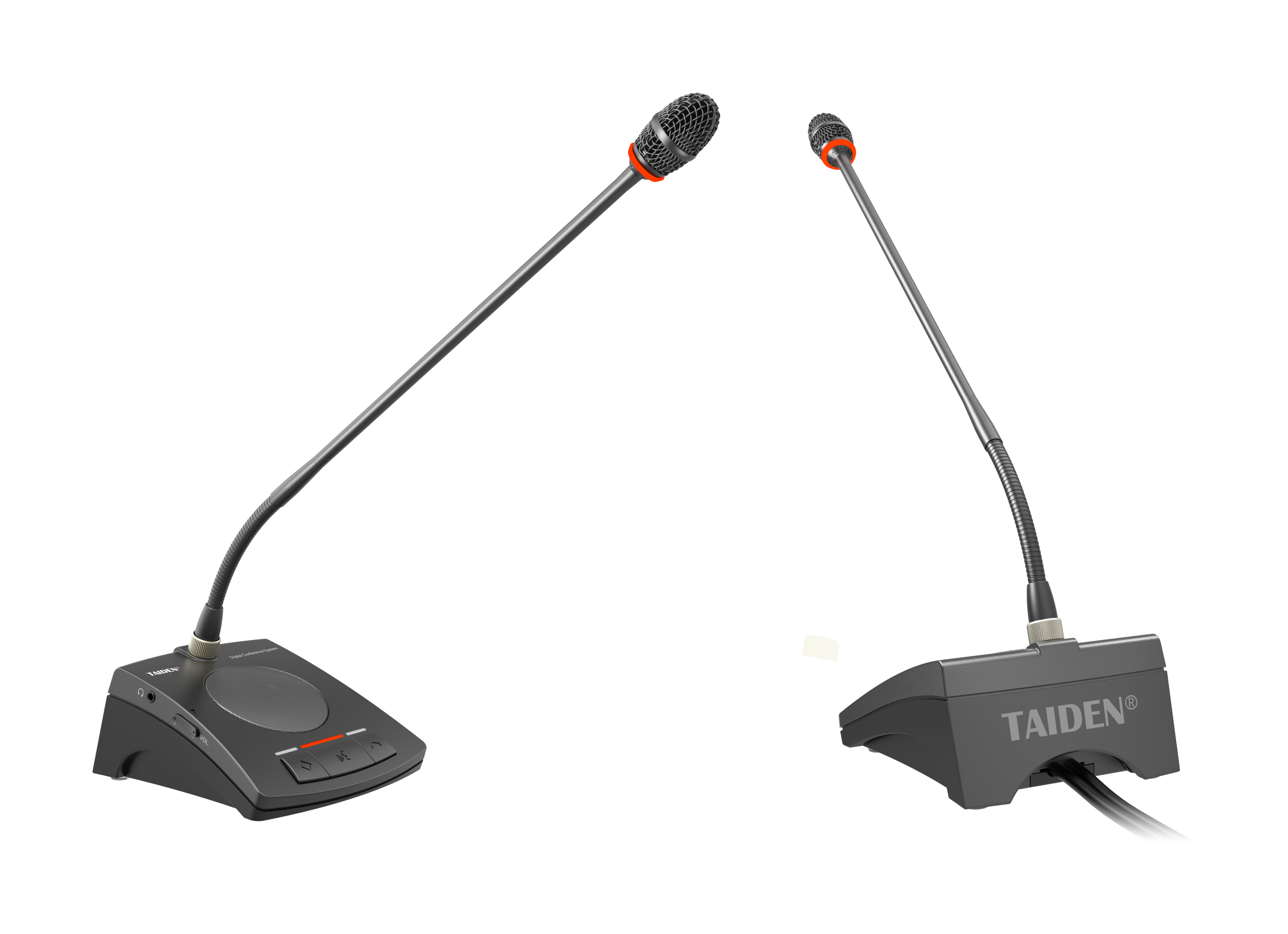
Advisory close—choose better with three practical checks: 1) Intelligibility: verify Speech Transmission Index (STI) ≥ 0.6 at typical seats, not just at the head of the table. 2) Latency: measure end-to-end round trip; keep it under 30 ms for natural talk-back with video. 3) Manageability: insist on remote monitoring, QoS policy templates, and clear redundancy paths. If a candidate cannot provide these in writing, keep looking. And yes, compare live, not just on spec sheets—rooms tell the truth. For a neutral point of reference in the category, see TAIDEN.