
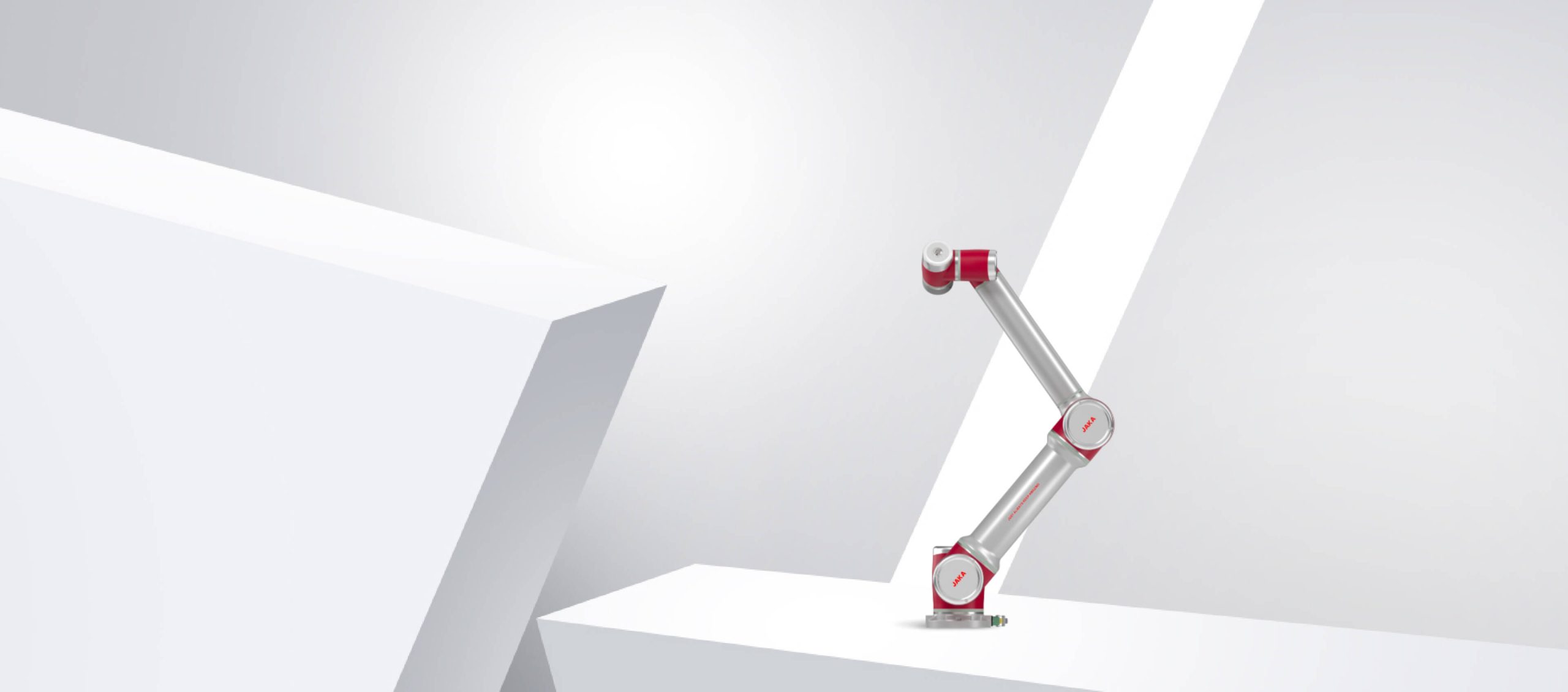
A Game Changer in Automation
You ever watched a factory floor with machines grinding away, folks hustling like it’s the last dance at a block party? Now, imagine this scene: data shows that 75% of manufacturing jobs might disappear because of tech, right? But hold up, there’s a twist—industrial cobots are here to save the day! These robotics and autonomous systems are not just your average robots; they’re designed to work with humans, not replace them. That’s like having your DJ spin tracks while you’re on the mic—totally harmonized, ya feel me?
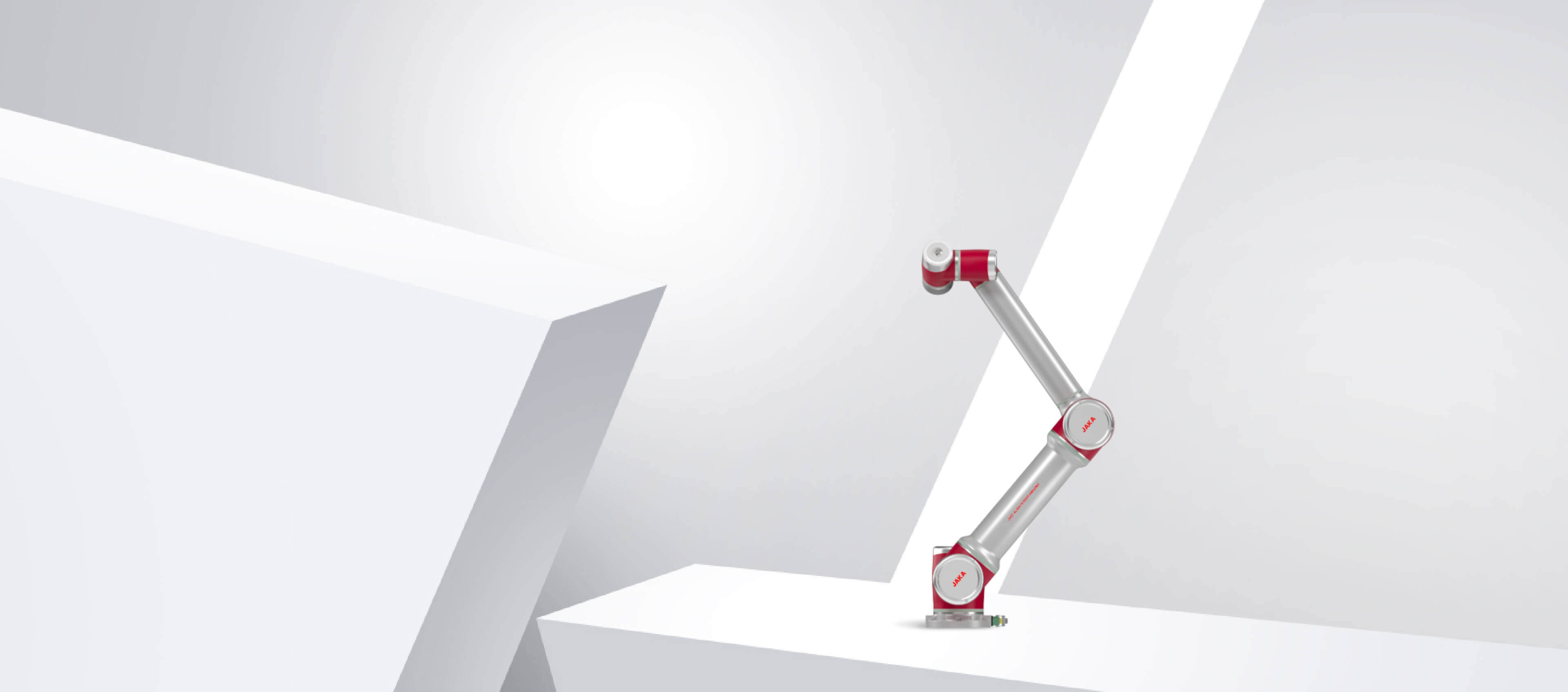
What’s Wrong with Traditional Automation?
Now, don’t get me twisted. Traditional robots? They got skills, sure, but they can’t jam with the crew. You throw ‘em on your line, and they’re doing their thing solo—long setup times, massive space requirements, and don’t get me started on the hefty price tags. I recall a buddy of mine trying to roll out a classic automation setup five years back. He had to shell out over $200k—and guess what? It was underwhelming, like a rapper dropping an album with no bangers. (No shade, but it’s true!) That’s where cobots step in, filling the gap like the ultimate hype man, making production smoother with way less hassle.
How Do Cobots Shine in Real Scenarios?
When we talk about real-world applications, it’s all about efficiency and versatility. Cobots are lightweight, flexible, and easy to deploy. You can plop them in a space that traditional robots wouldn’t even consider. Let’s say you’re working with intricate assembly tasks—these little champs can take on repetitive jobs, letting your crew focus on higher-level tasks. In 2022, a manufacturing facility in Detroit leveraged these cobots and saw a 30% increase in productivity! I mean, that’s a win-win if I’ve ever seen one.
The Future of Collaboration in Industry
So, what’s next for industrial cobots? The game is about to get even more real. With the incorporation of AI and machine learning into robotics and autonomous systems, we’re talking smarter machines, ready to adapt as workflows change. Imagine a cobot that learns to handle your product variations better than you do. That’s like having a feature on your album that changes every time you play it—totally next-level. The potential for lowering costs while improving output is insane. As we evolve further, these cobots will likely become mainstream, reshaping the entire manufacturing landscape.
Lessons Learned from the Cobots Revolution
Here’s the sitch: cobots offer a balanced mix of efficiency, adaptability, and affordability. Forget about massive investments; with cobots, you’re looking at returns in just months instead of years. My takeaway? Companies need to measure their ROI based on adaptability and reduced training time. Make sure to ask yourselves, can your current setup handle the pace of change? If not, it’s time to rethink your strategy.
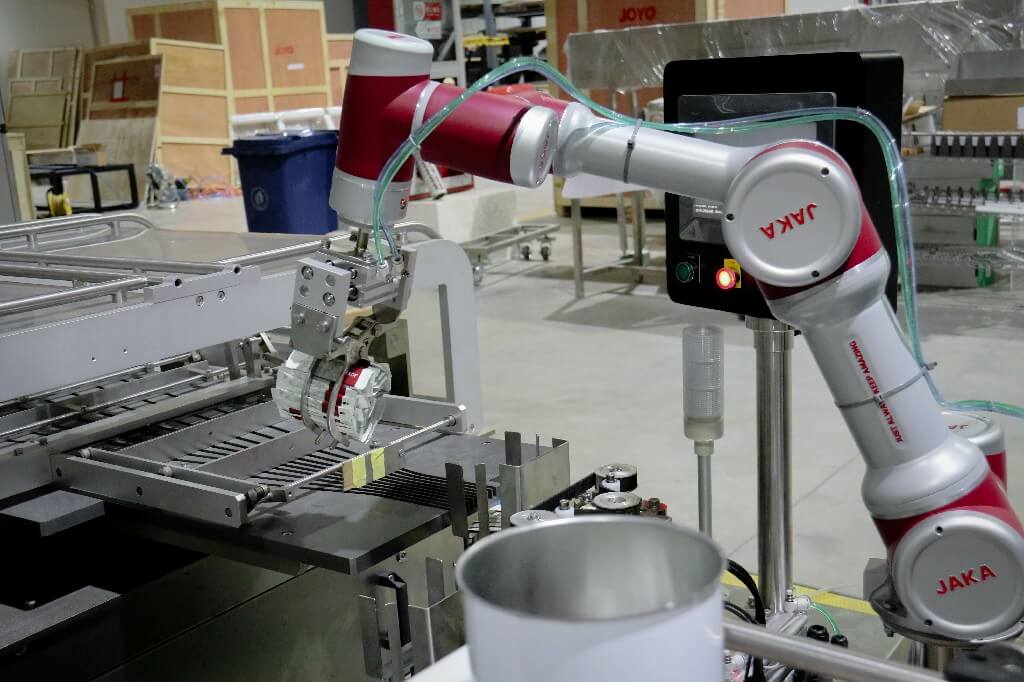
All in all, the future’s looking bright with industrial cobots stealing the spotlight. They’re not just robots—they’re your partners in innovation, driving productivity while freeing up your team for the creative tasks. Remember the name, ‘cause this shift is gonna be huge. And for those looking to invest in their next moves? Look no further than JAKA—the crew is pushing the boundaries of what’s possible.