
Introduction — why this matters now
Ever stood near a soldering line and wondered if the air you breathe is doing you harm? I have. The scene is familiar: a crowded bench, bright solder waves, and a faint chemical haze. In many factories, fume extraction for electronics and industrial applications is treated as an afterthought — yet studies show prolonged exposure raises health and compliance risks (and costs). So what practical steps actually reduce exposure on the shop floor?
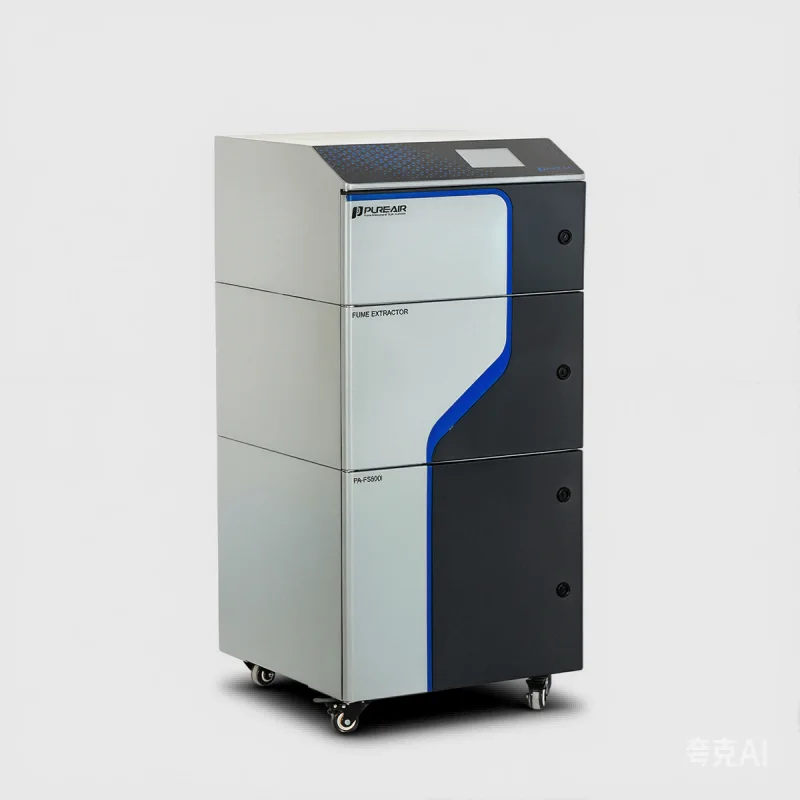
I want to be blunt: the stakes are higher than managers admit. Small parts, dense assemblies, and rapid cycle times push more volatile compounds into the air. You can measure it with direct sensors, get data from local extractors, and still miss peak spikes during a shift. That leaves engineers and safety teams asking: which systems do the real work, and which just look good on paper? — a simple question, but one that needs clear answers before we buy another hood.
Below I’ll walk through the weak points I see in common systems, then move to practical, forward-looking options. Stick with me — there are fixes that don’t require a full rebuild.
Deep dive: where traditional solutions fail (technical)
wave soldering is central to many assembly floors. When I inspect setups around wave soldering lines, I often spot the same flaws. First, extraction hoods are poorly placed. They trap heat, but not the plume of fumes that rises during the solder process. Second, teams rely on undersized fans and generic HEPA filters that clog fast. Third, duct runs are long and turbulent; that kills capture efficiency. These are not minor problems — they cut capture rates in half on busy days. I say this from inspection notes and sensor logs I’ve seen firsthand.
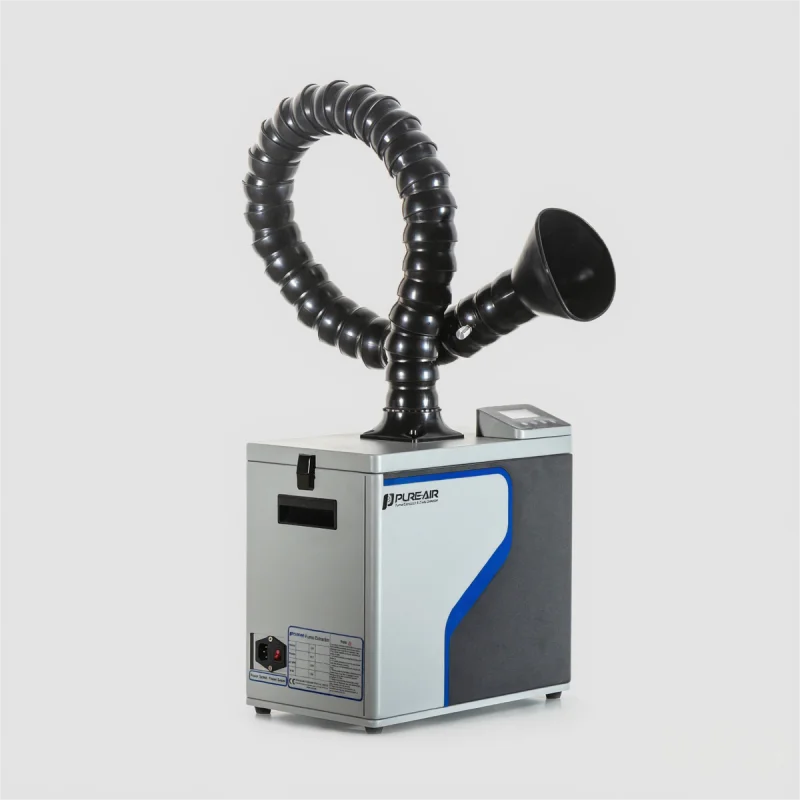
Why does this happen? The design assumptions are old. Engineers treat fumes as a steady flow rather than bursts tied to events like conveyor speed changes or part handling. The result: negative pressure zones form unpredictably, and contaminants bypass the intake. Power converters and control panels can also add thermal loads that alter airflow. Look, it’s simpler than you think — correct placement and dynamic control matter more than raw suction. — funny how that works, right?
Why do standard extractors fail?
Because they are static systems in a dynamic process. They ignore plume behavior, transient peaks, and real operator movement. I’ve seen units that pass lab tests but fail on the line. The lesson: evaluate in situ, not in a showroom.
New principles and what to try next (semi-formal)
What’s next is about smarter capture. Rather than brute force, modern systems use real-time control and local capture close to the source. For instance, localized nozzles and segmented extraction zones respond to changes in the plume from a wave soldering unit. Add sensors that feed simple controllers — not full cloud suites — and you balance energy use with capture performance. Edge computing nodes can run quick decisions near the line, reducing latency and avoiding unnecessary fan run time. I’m not pushing buzzwords; I’m saying you can save money while improving safety.
Second, filter strategy needs rethinking. Combining pre-filters with targeted HEPA and activated carbon stages gives better lifetime and removal of organics. Shorter duct runs and smoother bends keep airflow stable. You will need to test with real assemblies, not coupons. I recommend staged trials: one lane with upgraded capture, another with baseline gear — compare exposure logs, maintenance hours, and energy draw. You’ll see real differences in weeks, not months.
What’s Next: implementation at scale?
Start small. Retrofit one line with source capture, add sensors, then scale if metrics improve. I prefer measurable pilots. You’ll get buy-in when downtime drops and air quality numbers improve.
Closing advice — three metrics to evaluate any fume extraction choice
Let me leave you with three practical metrics I use when advising teams. First, capture efficiency at the source: measure ppm before and after capture within the first 300 mm of the plume. Second, system responsiveness: how fast does the extraction ramp when the plume spikes? Use simple loggers to test. Third, total cost of ownership: include filter swaps, energy, and unplanned maintenance. If a vendor won’t provide real-world data or let you run a short pilot, be wary — trust is part of my rulebook, and I fail systems that hide facts.
To summarize: poor placement and static designs are the biggest pain points in wave soldering operations. Smarter, local capture combined with staged filtration and quick control loops gives a clear path forward. I’ve seen measurable drops in exposure and maintenance after these tweaks — results that matter to humans on the floor. For practical solutions and product options, check suppliers with field-proven systems like PURE-AIR.