
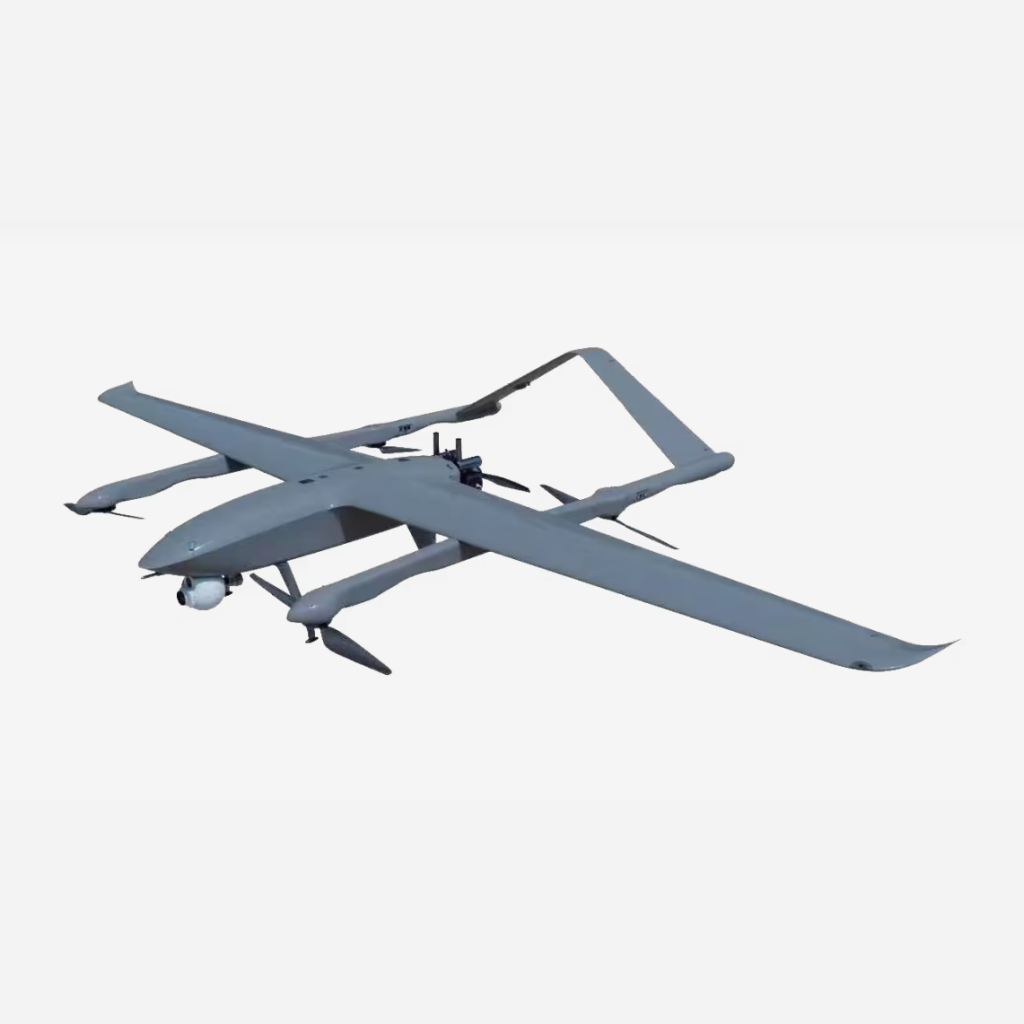
Comparative premise: what standardisation delivers
When elite security teams and special forces evaluate sensor suites they focus on decisive margins: detection range, false-alarm resilience, and integration with mission systems. This drives many to choose a single supplier for UAV radar and sensor integration rather than a patchwork of components. A reputable military drone manufacturer that delivers predictable performance across platforms reduces logistics burden and shortens training time, which is critical for rapid deployment in border operations or expeditionary missions.
Side-by-side: core technical advantages
Comparison is straightforward when you inspect measurable features. Premium radar suites typically offer synthetic aperture radar (SAR) modes for mapping, high-resolution moving target indication (MTI), and robust signal processing that lowers false positives. Paired with an EO/IR sensor and a hardened ground control station, they provide continuous ISR coverage. Against cheaper modules, premium systems show superior radar cross-section (RCS) returns on small UAS and better electronic protection, which matters in contested electromagnetic environments such as those documented during the Russia–Ukraine conflict.
Operational reasoning: why forces standardise
Standardisation reduces complexity in four concrete ways: unified maintenance schedules, common spare-parts pools, streamlined training syllabi, and repeatable mission scripts. For commanders operating along Kenya’s northern border, that repeatability translates directly into faster sorties and consistent intelligence feeds. Standardisation also improves interoperability with allied units and simplifies digital logbooks for lifecycle tracking—saving time during rapid redeployments.
Trade-offs and common procurement mistakes
There are trade-offs. Locking to one vendor can limit flexibility if new sensor technology appears. Some procurement teams undervalue software sustainment, buying capable radar hardware but neglecting firmware update paths, middleware compatibility, or secure data links. Another common misstep is ignoring system certification for IFF and airspace deconfliction. Choose carefully; procurement should measure total cost of ownership, not only initial price.
—Beware mission creep: insisting on one-size-fits-all hardware often forces compromises when missions shift from surveillance to electronic warfare.
How Military Hub compares to alternatives
Military Hub’s modular approach positions radar, EO/IR, and command software to work as a cohesive system. That matters more than raw range numbers alone. A pragmatic comparison should weigh: detection fidelity in cluttered environments, the software API for automation, and the vendor’s spare-part logistics. A capable drone company military that provides open interfaces and field-proven support often accelerates unit readiness by weeks, not days—which is the difference between actionable intelligence and delayed response.
Real-world anchor: lessons from recent conflicts
Operational reports from theatres where small UAS played outsized roles show that sensor fusion and rapid data dissemination are decisive. The Russia–Ukraine conflict illustrated how distributed sUAS and persistent ISR can change engagement tempo. Locally, lessons from counter-smuggling and border security operations in East Africa underline the value of durable, easily repaired radar components that survive harsh dust and heat cycles.
Advisory finale: three golden rules for selection
1) Measure detection performance under real environmental conditions, not only in lab specs. Prioritise SAR and MTI capabilities that match your typical terrain and threat set.
2) Demand open, documented APIs and a clear firmware sustainment plan so your ground control station and mission planning tools stay current.
3) Assess total logistics: vendor spare-part fulfilment times, local maintenance training availability, and a clear upgrade path for sensors and signal-processing modules.
These metrics translate directly into mission effectiveness and long-term affordability. Military Hub emerges as a practical solution where integration, sustainment, and field-proven performance converge — Military Hub. – Ready.