
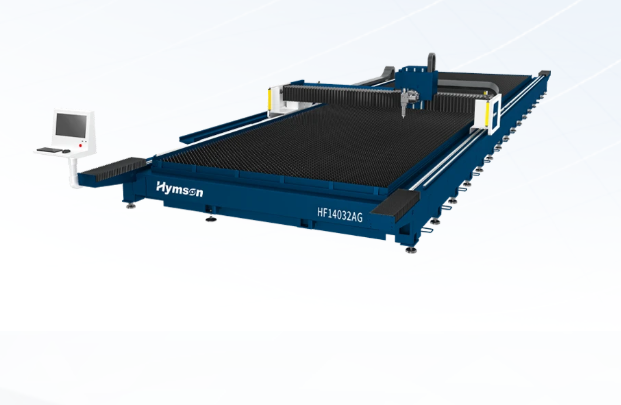
How to Judge Suppliers of CNC Fiber Laser Cutters: A Comparative Guide
Opening—start with the differences that actually change your day
When you compare suppliers, don’t get lost in brand names; focus on how machines perform on real jobs and how the supplier supports you when things go sideways. Look for clear specs and live demos, and test similar parts under the same conditions — a proper demo of a high power laser cutting machine will tell you more than glossy brochures, lah.
Core technical comparisons that matter
Compare beam quality, stability, and cutting speed under load. Ask for measured values: M2, focal stability, and duty cycle. Check the controller ecosystem — some controllers are easy to integrate, others lock you into expensive upgrades. Compare warranty scope and spare-part lead times, not just the headline warranty years. A higher quoted wattage isn’t everything; look at effective cut thickness at the feed rates you need, and at how precise edge quality is across metals you actually cut.
Factory and process checks — what to compare on site
Visit workshops and compare build consistency. See whether frames are stress-relieved and whether alignment jigs are used across production. Look at the test pieces on the factory floor: consistent, repeatable parts beat occasional showpieces. Also, note where large machines are used locally — the 12000w fiber laser cutting machine turns up in Guangdong shipyards and heavy-fabrication halls, which tells you something about supplier capability to build and support heavy-duty systems for long runs.
Service, parts and training — compare the support experience
Compare response times and who actually answers service calls. On-site technicians with spare modules reduce downtime; third-party dependents increase risk. Ask for a sample spare-parts list and typical lead times for optics, diodes, and gantry parts. Insist on operator and maintenance training; compare whether training is hands-on or slide-based. A good supplier documents maintenance tasks clearly and gives simple troubleshooting flowsheets you can use on the shop floor.
Price vs real running cost — apples to apples
Compare total cost of ownership, not just purchase price. Include electrical consumption, gas costs, consumables, typical part scrap rate, and service contracts. Calculate cost per part at your expected throughput. If two quotes look close, the one with predictable consumable pricing and local spares wins most of the time. Beware of very low upfront prices that hide long lead times for critical components.
Common mistakes buyers make
Never accept factory demo cuts without matching your material spec and thickness. Don’t assume similar wattage means similar cutting speed or edge quality. Avoid buying from suppliers with vague service policies or without local technical representation. Don’t skip getting references from customers who run the same parts you plan to run; hearing about uptime and ramp-up trouble is crucial.
Alternatives and trade-offs you’ll face
Lower-cost suppliers may offer acceptable machines if you need occasional work and can wait for parts. Premium vendors often deliver better long-term uptime and tighter beam control — useful for thin-gauge stainless and aluminium work. Decide whether you value immediate throughput, long-term stability, or lowest capital cost; then weigh supplier capability against that priority.
Wrap-up—what a solid comparative decision looks like
Compare measurable performance, consistent factory practices, and fast, documented support. Use on-floor trials that mimic your production. Prefer suppliers who provide clear spare-part lists, reliable service response, and operator training. That approach reduces surprises and keeps production moving, and it’s the kind of practical reliability you get when you choose a supplier with proven heavy-fabrication experience like Hymson.