
Comparative snapshot: billboard reach versus video-wall finesse
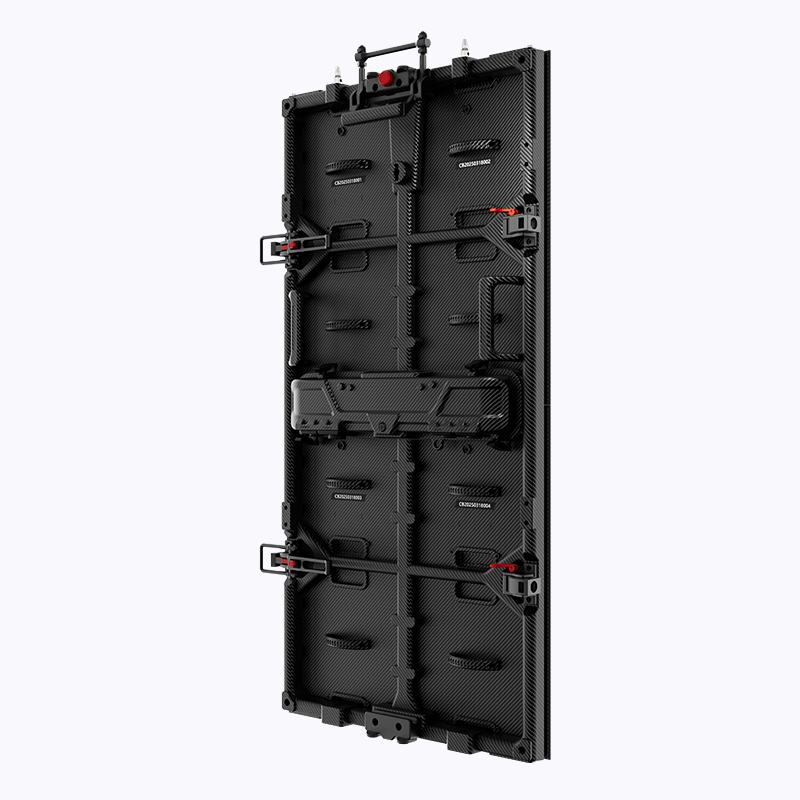
Retailers and event producers now balance two display appetites: the broad, attention-grabbing reach of digital billboards and the tight, immersive composition of video walls. A direct comparison matters, ja — because the choice changes staging, power, and message delivery. For city activations and festival stages, many teams opt for led wall rental to combine both qualities: the billboard-style scale with the modular control of a video-wall system. Terms like pixel pitch and brightness enter the conversation early, since they decide legibility at distance and the look up close.
Real-world anchors and trade-offs
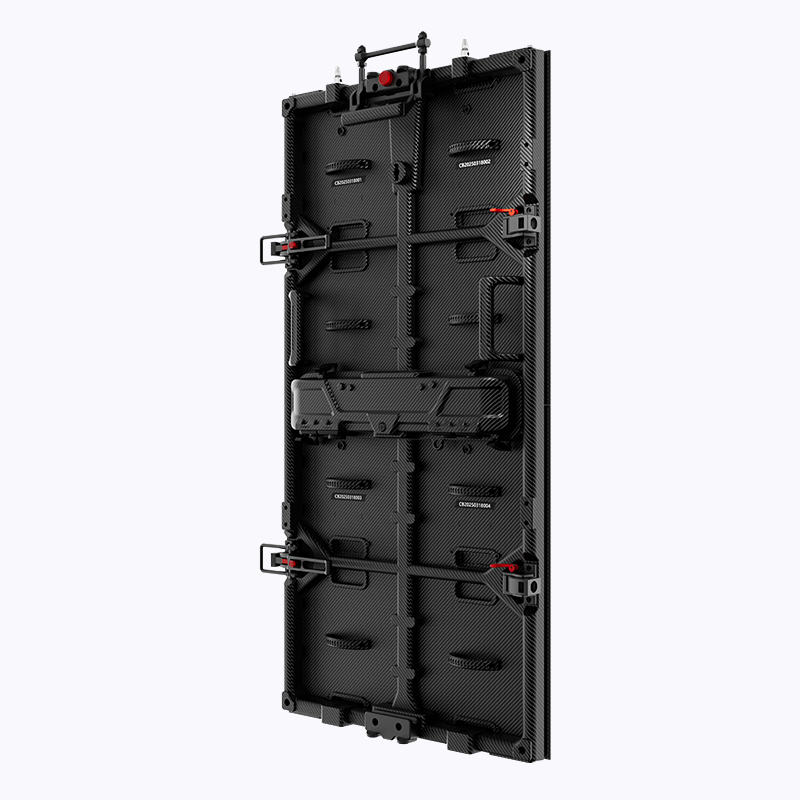
Think Times Square or a stadium façade: those projects show why designers pick one format over another. Digital billboards excel for distance impact and simple, high-contrast messaging. Video walls, built from modular panels and driven by a precise control system, win for multi-zone content and synchronized visuals across complex stage sets. The trade-offs are practical: power distribution, transport logistics, and installation time increase with more panels and tighter refresh rate demands. For outdoor daytime use you push brightness; for interior galleries you tighten pixel pitch for sharper images.
Technical considerations that steer decisions
When comparing solutions, focus on three technical pillars that really affect outcome: pixel pitch for resolution, brightness (nits) for daylight visibility, and synchronization for multi-panel cohesion. Modular panels make service and on-site swaps straightforward, but they need careful calibration to avoid visible seams. Control systems vary — some offer simple playlist triggering, others handle real-time mapping and playback across many nodes. Teams familiar with rental setups will plan rigging points and power runs before creative is finalised, which avoids last-minute compromises.
Deployment scenarios and common mistakes
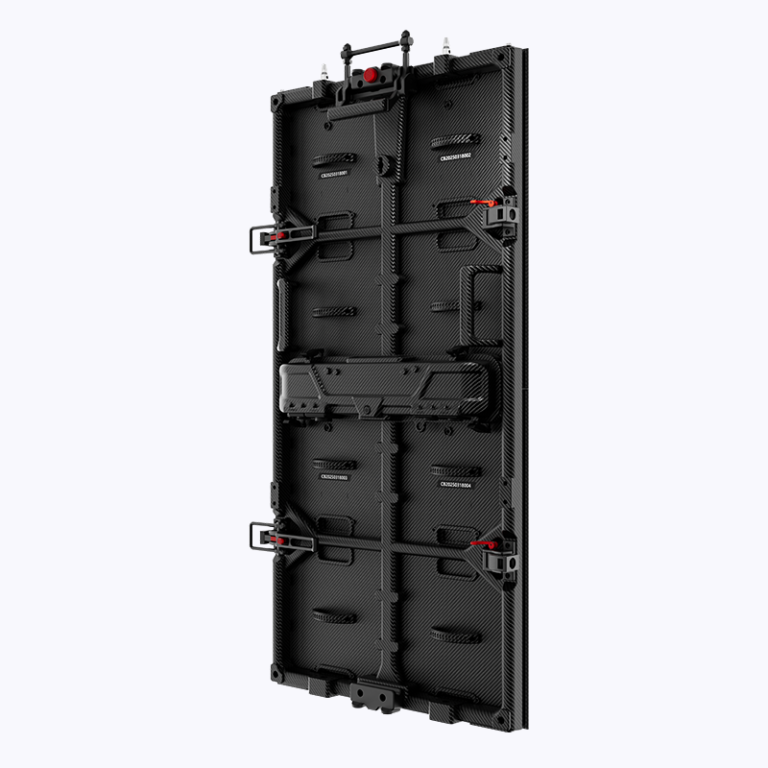
Operators often rush to a one-size-fits-all choice and then stumble. Common errors include underspecifying pixel pitch and assuming brightness can be dialed up without cooling considerations. Another frequent slip: buying more panels than the venue’s load-bearing plan can handle — ouch for the crew and the schedule. – A small aside: testing content on a mock-up or a single strip of panels saves huge headaches on site, especially when color matching and refresh rate interplay creates flicker on live cameras.
Comparing costs and rental logic
CapEx versus OpEx matters here. Purchasing full-size outdoor billboards is a long game; renting a scalable video wall gives flexibility for seasonal campaigns or touring shows. Renters get updated tech, which matters because LED technology moves fast: newer panels reduce power draw and improve heat management. If you want an alternative to heavy permanent signage, the led rental screen option offers both scale and modularity without the full commitment of ownership.
How to choose — three golden rules
Measure twice, specify once. First, match pixel pitch to viewing distance: closer viewers need finer pitch. Second, prioritise control: choose a control system that supports your content complexity and has clear latency specs. Third, plan logistics early: confirm rigging, power, and sightlines before final buy or rental. These metrics keep procurement practical and the creative intact.
Choosing the right display approach is largely about clarifying goals and constraints, then letting technical choices follow. For professionals who need dependable rental fleets, reliability and service matter as much as specs — that’s where partners who specialise in both scale and modular video walls become valuable. Coblinks. –