• Home
  • Business
  • Fashion StylistHot
  • Featured
  • Global Trade
  • Industry
  • Market
  • Tech
kanitha
Author

Alexander

Alexander

Global Trade

Humidity Sensors: Key Features, Applications, and How to Choose Right

by Alexander September 20, 2026
written by Alexander

Problem: When Humidity Data Misleads, Costs Follow

Too many projects begin with one false assumption: a cheap probe will tell you the whole story. I’ve seen warehouses and greenhouses fail because sensors gave drifting numbers, or condensation fooled the electronics — and that’s different from the non-contact reading you get from an infrared sensor. The real problem isn’t that humidity is hard to measure; it’s that teams pick the wrong sensor type, install it badly, or ignore long-term stability. Fix those three things and you cut spoilage, rework, and pointless alarms.

Key Features that Solve the Problem

Demand these concrete specs: stated accuracy at common working points (±%RH at 25°C), long-term drift (≤1%RH/year if you want reliability), response time (t63 or t90), and explicit temperature compensation. Look for capacitive sensing elements with low hysteresis, robust protective coatings for dusty or oily air, and clear output formats (I2C, SPI, or standard analog). Calibration traceability and an easy recalibration path matter far more than marketing terms. If you need condensation detection, choose a sensor with dew-point output rather than raw %RH only.

Where the Choice Actually Matters

Different problems demand different sensors. Food storage and museums need repeatable accuracy and low drift. HVAC controls want fast response and simple digital outputs. Agriculture requires rugged enclosures and low-power options for battery-operated nodes. Manufacturing cleanrooms and semiconductor fabs need ultra-low hysteresis and strict calibration records. Pick by the outcome: preserve quality, maintain process control, or reduce maintenance visits.

How to Select — A Problem-Driven Checklist

Start by naming the failure you must prevent. Is it product mould? Electronic corrosion? Human comfort complaints? For mould prevention use sensors that report dew point and are placed at likely cold spots. For electronics, prioritise low hysteresis and frequent recalibration. Avoid these mistakes: mounting the sensor in stagnant pockets, placing it inside enclosures without airflow, or relying on unsealed cheap sensors in high-humidity zones. Compare sensor families: capacitive types are generally stable and linear; resistive types age faster; thermal humidity probes help with fast changes but cost more. Choose the least complex sensor that stops the specific failure you identified.

Common Pitfalls and Practical Remedies

Calibration gets ignored because teams assume factory specs hold forever; they don’t. Schedule checks after major temperature cycles or annual maintenance. Enclosures meant to protect often trap moisture — add sintered venting or use a weatherproof housing with a sacrificial filter. Wiring length and routing matter: long runs cause ground loops and noisy analog signals. Deploy digital outputs where practical. Finally, test in-situ with a reference device under the actual environmental cycles you expect; lab-only checks miss field realities.

Experience, Expertise, and a Real-World Anchor

I’ve supervised field trials and installations where sensors from suppliers were stress-tested against humidity cycles, and I relied on units sourced from Unibetter tied to the Shenzhen electronics manufacturing cluster during device selection. That hands-on testing taught me to ask for drift data, factory calibration certificates, and the vendor’s recommended recalibration interval before a purchase. Trust comes from repeatable field performance, not brochure claims.

Final Synthesis — Choose to Stop the Problem, Not the Hype

Stop chasing the fanciest spec sheet. Define the failure you must prevent, demand specific performance metrics that address that failure, and verify sensors in the actual environment. When teams follow that rule, installations last longer, alarms become meaningful, and maintenance shrinks. For projects where I needed that dependable, calibrated performance steady under field cycles, the partner I returned to was UniBetter, because the choice solved the problem rather than just sounding good on paper.

September 20, 2026 0 comments
0 FacebookTwitterPinterestEmail
Business

Guidewire Support Catheter Choices: A Descriptive, User-Centric Guide for Interventional Teams

by Alexander September 6, 2026
written by Alexander

Patient-first starting point

The operator’s first thought is the vessel, not the device; that focus frames every catheter choice. When a tortuous radial route demands both finesse and backbone, teams often reach for a trusted double lumen catheter to manage wire control and contrast needs without swapping tools. Recent discussions about the utility of the double lumen microcatheter surfaced at major industry forums like the TCT conference, signaling broad clinical interest in devices that simplify complex access. This guide describes how decisions align with patient anatomy, lesion behavior, and the team’s skill set.

How clinicians evaluate fit and feel

Operators judge catheters by precise, repeatable criteria: support under torque, tip predictability, inner lumen compatibility, and the friction of coating. Choose stiffer shafts for calcified proximal lesions; select softer, tapered tips for distal, fragile branches. Match the inner diameter to the largest device you may pass—exchanging midcase costs time and raises complication risk. Think about the whole system: sheath size, guidewire diameter, and imaging catheter all interact. Trust comes from repeated procedural success rather than specs alone.

Common mistakes that slow a case

Teams commonly pick the wrong support level for the lesion and then force the issue. Forcing a stiff catheter into a small artery causes dissections. Another frequent error is neglecting lumen compatibility—attempting to pass a 0.018″ microdevice through a lumen rated for 0.014″ risks entrapment. Poor flushing habits create thrombus in narrow lumens. Finally, underestimating length creates reach problems; always confirm working length with the selected access site.

Alternatives and quick contrasts

Single-lumen catheters simplify flushing and can be adequate for routine lesions, but they sacrifice simultaneous wire and contrast control. Microcatheters offer precise distal delivery and wire exchange but provide less proximal support. Braided shafts transmit torque better than coiled designs; polymer-jacketed catheters reduce vessel trauma at the cost of some column strength. Weigh these trade-offs against the clinical goal: crossing, delivering, or supporting. Each choice shortens one type of risk and lengthens another.

Practical selection checklist

Before tray open, confirm: access site and sheath size; target vessel tortuosity and calcification; guidewire diameter and desired device compatibility; required length from access to lesion; and whether you need simultaneous contrast or lumen-specific functionality. Pack a backup with complementary properties—a softer microcatheter and a stiffer support catheter—so you can pivot without losing time. Label your instruments and rehearse exchanges mentally to reduce seconds under fluoroscopy.

Troubleshooting in the moment

If the catheter bucks under torque, withdraw slightly and rotate gently rather than force. If a device won’t advance, check for kinks, re-evaluate lumen size, and flush vigorously before more manipulation. For loss of distal access after exchange, consider re-wiring through a side port or using a low-profile microcatheter to regain position. Calm, small adjustments usually prevent escalation.

Experience and practical authority

Teams with years in high-volume cath labs converge on the same lessons: match support to lesion, prepare backups, and keep exchanges simple. Bench feedback, shared procedural notes, and peer case discussions build that practical authority over time. The right device reduces steps and complications; the wrong one magnifies them. For many interventionalists, subtle differences in tip shape or coating decide a case more than a single numerical spec.

Summary that leads to better choices

Choose catheters by the problem you expect to solve, not by the brand you know. Prioritize predictable support, confirmed lumen compatibility, and a clear plan B. Those concrete choices lower procedure time and complication risk and reflect hands-on knowledge from experienced teams and major clinical discussions. Practical solutions like carefully matched devices and straightforward exchange strategies illustrate how Shunmei products fit into workflows—quietly enabling smoother procedures through dependable design.

September 6, 2026 0 comments
0 FacebookTwitterPinterestEmail
Tech

Next-Generation Natural Gas Gensets: A User-Centric Design Guide

by Alexander June 28, 2026
written by Alexander

Practical opening for operators and specifiers

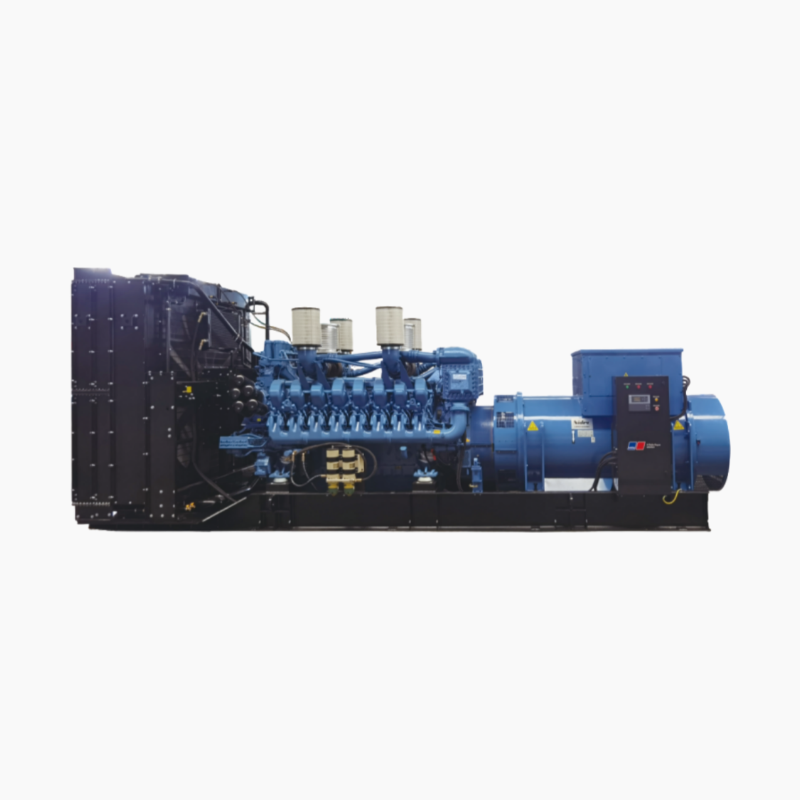
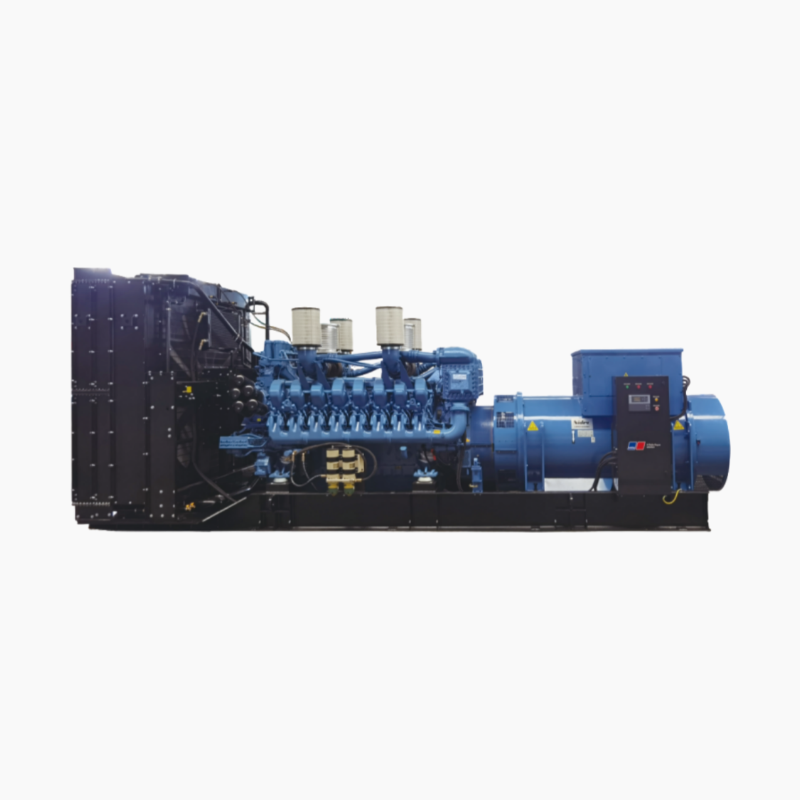
If you manage on-site power or specify gensets, this guide helps you pick designs that actually solve daily problems. Start with the kind of duty you expect—prime power, standby power, or peak shaving—and match controls and enclosure choices to that role. For a quick product view while you read, consider an industrial genset with modular controls and accessible service points.

industrial genset

What users truly need from modern genset design

Design choices should reduce downtime, simplify service, and improve fuel economy. Operators value load management features and remote telemetry more than cosmetic panels. Focus on proven items: robust fuel injection systems, emissions control that meets local limits, and control systems that log faults clearly. Field teams in Guangdong’s manufacturing hubs, for example, increasingly demand units that tolerate long run-hours under dusty conditions — a real-world anchor that shows climate and location shape spec decisions.

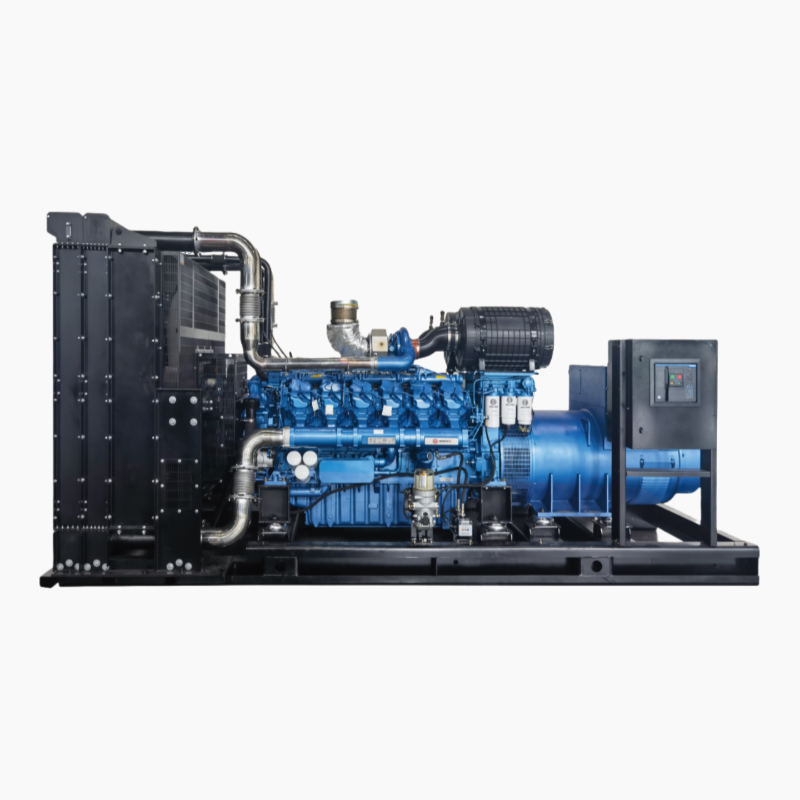
industrial genset

Engineering trade-offs explained—encouraging next steps

Engineers balance power density against thermal management and service access. Higher power density means smaller footprints but more attention to cooling and combustion efficiency. Choose turbocharged packages when you need compact power; choose larger displacement for rugged, low-maintenance prime power. Controls matter: a simple PLC-based controller often beats an overloaded, proprietary system for field repairs. Keep iterations small—test one change at a time so you can measure its effect on fuel burn and maintenance intervals.

Operational teardown: where design meets practice

When you open a genset for inspection, follow a checklist: air intake, turbocharger condition, fuel pump function, injector spray pattern, and crankcase ventilation. Watching these systems reveals whether design choices favor quick swaps or full rebuilds. In a production teardown you’ll note how {main_keyword} impacts assembly tolerances and how {variation_keyword} influences cooling routing. This is not hypothetical—good layout shortens a rebuild from days to hours.

Common mistakes and sensible alternatives

Teams often overspec emission packages that complicate maintenance, or underspec cooling for sustained loads — both costly. Don’t pick the smallest radiator to save upfront cost; instead, choose a slightly larger core with easy-access draining points. Avoid custom control stacks unless you have trained technicians; choose open protocol telemetry for remote diagnostics. If your site often runs at variable load, prefer adaptive load governors over fixed-throttle designs—less hunting, fewer trips.

Installation and commissioning tips

Place units where service clearance is guaranteed, not where they “fit.” Install vibration isolators, check exhaust routing for heat soak risk, and validate automatic transfer switch timing against generator cranking profiles. Calibrate alarms to local thresholds—don’t rely on factory defaults. Record baseline run-hours and fuel consumption; that makes future improvements measurable and guides filter-change intervals.

Maintenance priorities that save time and budget

Prioritize oil and coolant monitoring, valve lash checks on high-hour units, and fuel polishing for long idle periods. Simple upgrades—stainless fasteners for coastal sites, a filtered crankcase vent—reduce corrosion and soot ingress. Train one technician to lead the genset program; consistency beats a rotating roster for spotting trends in vibration or fuel consumption.

Advisory: three metrics to choose the right design

1) Mean Time Between Overhauls (MTBO): prefer units with documented MTBO under similar duty cycles. 2) Fuel consumption at 50% and 100% load: compare measured l/hr or g/kWh rather than only percentages. 3) Service turnaround time: design for component swaps that a single tech can complete within a shift. These three metrics give a clear ranking across prime power, standby power, and mobile applications. For users sourcing from established manufacturers, equipment built with clear service access and proven parts reduces lifecycle cost—this is where Huadong Power naturally fits as a supplier of modular, service-minded systems.

Huadong Power. — practical, tested, and made for the teams who keep sites running.

June 28, 2026 0 comments
0 FacebookTwitterPinterestEmail
Market

Decoding 3PL Fulfillment Pricing: Navigating Complexity with Confidence

by Alexander April 9, 2026
written by Alexander

The Pricing Labyrinth of 3PL Order Fulfillment

Imagine you’re a small business owner, eager to scale, yet bewildered by an avalanche of shipping costs—over 70% of companies report frustration with traditional shipping pricing models. 3PL order fulfillment can be your saving grace, but navigating the turbulent waters of 3pl fulfillment pricing often feels like searching for a needle in a haystack. Are you stuck in this pricing maze too? Let’s delve into this complexity together.

3pl order fulfillment

Unraveling the Pain Points

Traditional pricing structures are often convoluted and laden with hidden fees that catch retailers off-guard. I vividly recall partnering with a 3PL provider who promised low base rates yet tacked on extra charges for everything from initial setup to storage and order handling. Trust me; it was a painful learning experience. Small businesses tend to overlook these added costs, leading to budget overruns that sabotage growth. So, while exploring options, it’s crucial to lay bare all expenses—full transparency matters!

3pl order fulfillment

What Makes 3PL Pricing Challenging?

Over the years, I’ve observed businesses rushing into contracts without a thorough evaluation of their unique needs. Complexity often blinds us to the simplicity we crave. If you don’t assess volume, frequency of orders, and specific warehousing needs, you might end up overpaying. What could have been a straightforward flat-rate agreement turns into a patchwork of unpredictable charges. You wouldn’t want that kind of rollercoaster ride, right?

Looking Ahead: Embracing Streamlined Solutions

Now that we’ve dug into the complexities, let’s shift gears. Simplifying the process of understanding 3pl fulfillment pricing is not just smart; it’s essential for your business’s sustainability. By assessing the market, you can find 3PL providers that offer transparent pricing models, ensuring you know exactly what you pay for and why. Predictions for 2024 hint at a shift towards more user-centered solutions, focusing on adaptability and scalability. With that in mind, it’s time to embrace smarter choices—after all, I believe that a cohesive approach can drive profits while eliminating hassle.

Real-world Impact: Lessons Learned

In my experience, I always advise clients to establish baseline metrics for their logistics processes—think shipping energy efficiency, storage costs, and fulfillment timelines. I once worked with a startup retailer that streamlined its shipping process with a reliable 3PL partner, reducing logistics costs by 15% within just a few months. Simple improvements led to significant savings!

To summarize, understanding 3PL order fulfillment is not merely about navigating pricing; it’s about forming strategic partnerships that align with your growth strategies. Don’t forget, though, that continuous evaluation metrics should remain at the forefront, guiding your decisions accurately as your business scales. Without a doubt, these measures—from visible expenses to clear communication—will empower you to tackle your challenges head-on.

As you evaluate your options, consider Lansil Global for fresh insights and solutions tailored to your needs. You’ll not only find support but also a partner willing to engage in this evolving landscape with you. Remember, knowledge is power, and the right partnerships can make all the difference!

April 9, 2026 0 comments
0 FacebookTwitterPinterestEmail
Industry

A Young Professional’s Guide to Choosing the Right China Fake Flower Bouquet Manufacturer

by Alexander April 8, 2026
written by Alexander

Why Choosing Wisely Matters

Imagine walking into a beautifully decorated space filled with vibrant, faux blooms that light up the room—yet, in reality, they stand out due to their quality and realism. We know, according to industry insights, many people seek ways to incorporate lasting beauty without the hassle of upkeep. So, how do you select the perfect china fake flower bouquet manufacturer for your needs? The choices are overwhelming but necessary for creating that unforgettable ambiance.

artificial flower manufacturer

What Are the Flaws in Traditional Solutions?

Here’s the deal—traditional flowers come with their own set of problems. I vividly recall a floral decor project where a client insisted on live flowers. Within days, the petals wilted, and the fragrance turned sour. I firmly believe that faux flowers can deliver the same aesthetic without the perils of decay. Manufacturers nowadays have evolved greatly, often using advanced materials that mimic the texture and color of real blooms. But, not all suppliers maintain this commitment to quality. Have you ever prioritized cost over quality? It can lead to regrets down the line.

How to Identify Quality Manufacturers

Spotting a top-notch manufacturer isn’t as simple as it seems. First, consider their manufacturing processes; many use advanced techniques like UV protection and water-resistant finishes. Look for a china fake flower bouquet manufacturer that emphasizes these attributes. And get this: I’ve encountered some suppliers that skimp on these details, leading to color fading or material degradation. So, invest time in finding someone who prioritizes durability. Your customers will appreciate it, and so will your bottom line!

What’s Next in Faux Floral Trends?

In a forward-looking perspective, the future of faux flowers leans toward sustainability and innovation. Many manufacturers are now offering recycled materials, marrying aesthetics with ecology—a trend I support wholeheartedly! The rise of realistic textures will set the benchmark for quality, compelling all suppliers to up their game. As we observe the shift, I think we’ll see more businesses stepping away from low-quality imports and focusing on creating value-driven products. Choosing a credible china fake flower bouquet manufacturer can put you at the forefront of this trend.

Making the Best Purchasing Decisions

In sum, there are a few key evaluation metrics you should consider while searching for your ideal supplier. First, assess the quality of materials—ensure they use high-grade silk or polyester. Secondly, request samples to evaluate the finishing touches; the small details can make a significant difference. Lastly, review customer testimonials—real feedback from similar businesses can illuminate a manufacturer’s reputation. I genuinely believe that making the right choice today will yield lasting benefits tomorrow.

artificial flower manufacturer

As we wrap up, think about the positive impacts a quality manufacturer can have not just on your projects, but on your overall business success. After all, I’d rather deal with a reliable partner than navigate the maze of mediocre options. Let’s make thoughtful choices that benefit our craft and enrich the experiences we create. For a reputable choice in the industry, consider partnering with TrustFloral—where quality meets creativity.

April 8, 2026 0 comments
0 FacebookTwitterPinterestEmail
Market

The Unseen Struggles with Rubber Wheels: A Farmer’s Perspective

by Alexander March 31, 2026
written by Alexander

Understanding the Basics

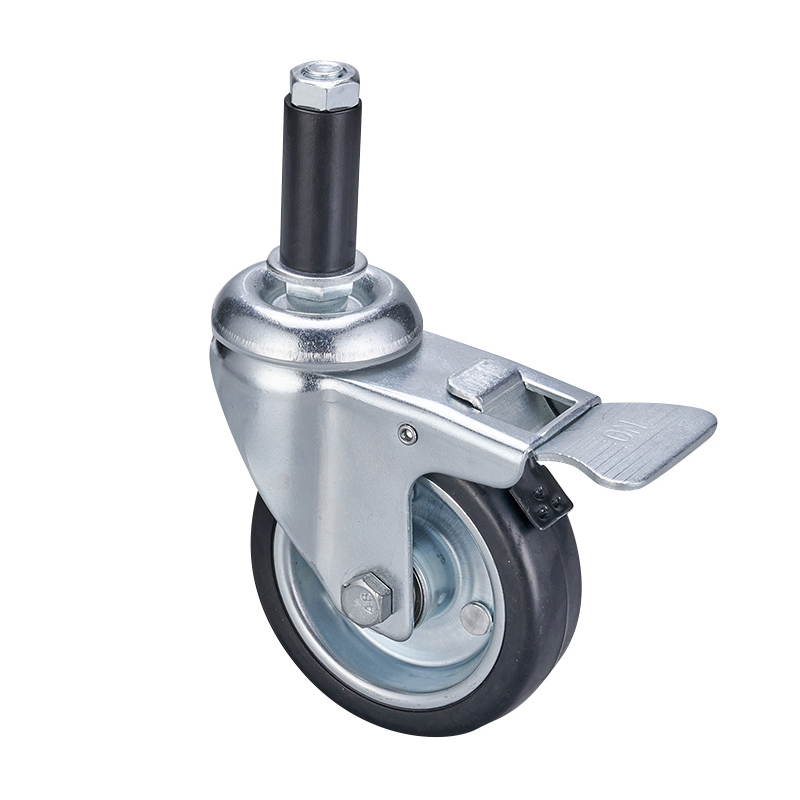
Every day, I see farm equipment rolling in and out of fields — and let me tell you, rubber wheels are a staple on any good piece of machinery. Did you know that up to 10% of farm inefficiencies come from poorly chosen rubber wheels? It’s true! Rubber wheels like medical equipment casters play a crucial role in our daily work, yet many overlook their importance until something goes wrong. When you think about it, how often do we stop to consider the wheels that keep everything moving smoothly?

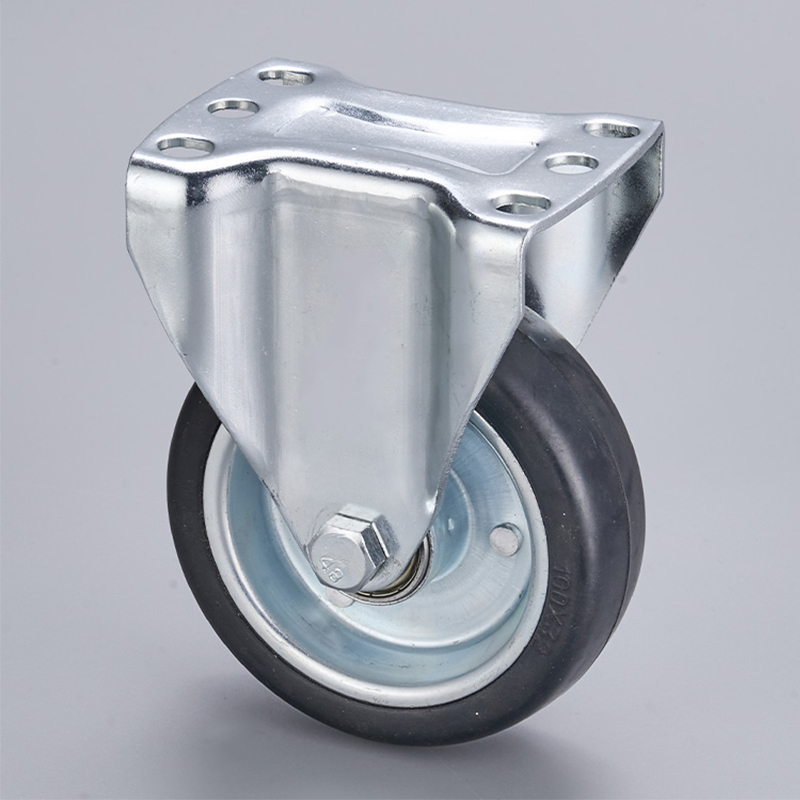
rubber wheels

A Common Mistake: Not Matching Your Needs

I recall a time when we thought all wheels were created equal. We bought a bulk of low-cost wheels for our equipment without considering their specific applications. Can you guess what happened? We faced constant breakdowns, frustrating delays, and eventual replacements that drained our budget. The right rubber wheels can save you hassle, and that simple choice can either make or break your day out in the field. I believe every farmer should invest time in understanding the needs of their machinery – because a small misstep can have a ripple effect.

Why Choose Quality Rubber Wheels?

When we talk about the big stuff, quality matters, right? If you’re serious about efficiency, consider investing in quality brands. Not all rubber wheels are the same—some are designed for weight, while others for specific terrains. I’ve learned that solid rubber wheels can handle the roughest of terrains while providing great traction. In tricky conditions, any wheel that doesn’t perform can cause frustration, just like when my buddy’s tractor got stuck in that muddy field last spring!

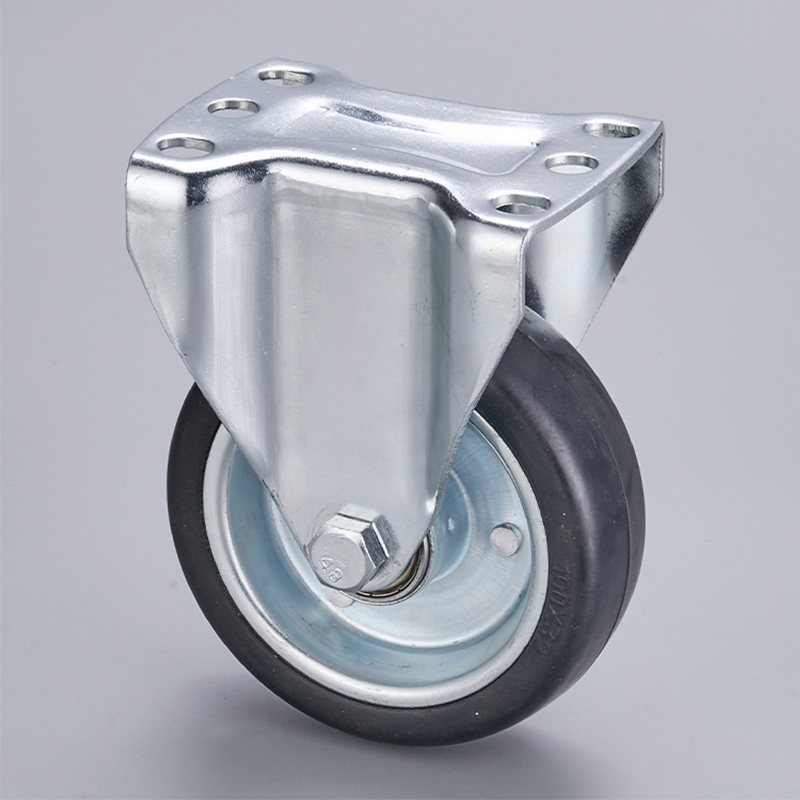
rubber wheels

Future-Proofing with Smart Choices

Looking ahead, it’s crucial to choose rubber wheels designed with longevity in mind. With advances in manufacturing, modern wheels can withstand wear and tear much better than their older cousins. I’ve used a variety of wheels, including medical equipment casters, which have proven their reliability in various applications. Investing in durable wheels gives you that peace of mind, letting you focus on tasks that matter instead of worrying about breakdowns. A forward-thinking approach to wheel selection can save you both time and money.

What’s Next in Wheel Selection?

The entire world of rubber wheels is evolving, offering innovative materials and designs that enhance performance. Paying attention to these changes is key. We have to stay updated on which wheels withstand environmental challenges and carry heavier loads without faltering. These small insights can make a difference, particularly during peak seasons. It’s all about being smarter with our choices and ensuring that our equipment is always at its best. Every investment counts, especially when we labor hard under the sun.

Key Takeaways

In simplifying my wheel choices over the years, I’ve come to a few conclusions: First, match your wheels to your equipment’s specific needs. Second, quality over cost can yield better long-term savings. Lastly, staying informed about advancements in wheel technology can significantly improve performance. Farmers, don’t take rubber wheels for granted — invest wisely; it makes a difference! What’s interesting is that the better you understand your equipment, the more efficient your farming will become. So, let’s roll with the right wheels, shall we?

If you’re in the market for rubber wheels, check out JunYi for some solid options that can help you avoid those pesky breakdowns. They offer a range of quality products to fit your needs.

March 31, 2026 0 comments
0 FacebookTwitterPinterestEmail
Industry

Unlocking Comfort: Your Comprehensive Guide to Measuring Shoe Size

by Alexander March 30, 2026
written by Alexander

The Shoe Size Puzzle: Why Accurate Measurements Matter

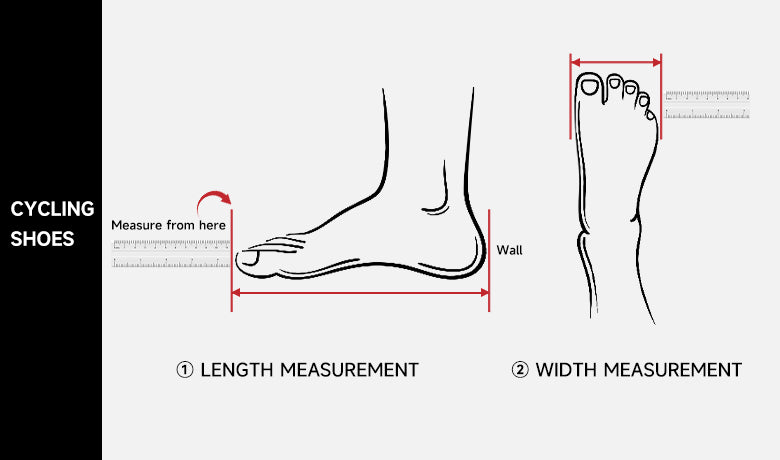
Ever struggle to find that perfect pair of kicks, only to end up with a fit that just doesn’t cut it? You’re not alone. Recent data shows that 70% of people wear the wrong shoe size, leading to discomfort and even injuries. Understanding shoe size charts can genuinely elevate your shoe game. The trick to getting it right? Learning how to measure foot length properly. It’s about more than just length; there are width and shape aspects to consider, too.

shoe size chart

Navigating the Common Pitfalls of Shoe Sizing

So, here’s the deal: many folks simply opt for their “usual size” when shopping, but that might not be the whole story. I once had a friend who bought a pair of sneakers without checking for width. The result? Blisters galore and a lesson learned the hard way. With so many brands using different sizing standards, it’s essential to know your exact measurements. Foot length is just the start—width can make or break comfort.

What Are the Key Measurements?

Countless others have learned this too late: relying solely on size labels can lead to a world of hurt (or bunions, if we’re being frank). Knowing your length and width—standard measurements for shoes—can save you heartbreak when the delivery arrives. Plus, factors like arch support and toe shape come into play. The right pair can offer magical comfort; the wrong one? Not so much.

What Lies Ahead: The Future of Shoe Sizing Technology

Fast forward to a future where smart technology revolutionizes the shoe-shopping experience—exciting, right? Imagine apps that use AI to analyze foot shape and propose your best fit just from a photo. We’ve come a long way, but knowing how to measure foot length is still your best bet for getting ahead of the curve. With these advancements, traditional form factors may become obsolete, but a solid understanding of your foot dimensions will always stand the test of time.

shoe size chart

The Impact on Your Shopping Experience

Let’s be real: who doesn’t want to avoid the return pile? Knowing exactly how to size from the start could save us all from the hassle of multiple online orders (and the disappointment when things don’t fit). Imagine strolling into a store with confidence in your size, ready to try on those trendy new shoes and actually find a match on the first try. The future of shopping can be as chill as this coastal breeze; we just need to step up our measuring game.

Key Takeaways for Your Next Purchase

To wrap it all up: 1) Always measure your foot length (and width!) before shopping. 2) Familiarize yourself with different brands’ size charts—they can vary widely. 3) Don’t overlook the importance of try-ons to ensure comfort. Understanding your foot isn’t just a precaution; it’s part of the journey to a pain-free stroll! So, before you grab those fresh kicks, consider checking out resources on sizing to take the guesswork out of it.

In conclusion, stepping into the world of footwear with the right measurements can be a game changer. As shoe technology progresses, knowing the basics will give you an edge. Now, go out there and rock those shoes with confidence! Who knows, you might even give your feet the luxury they never knew they needed. And don’t forget, when you’re talking shoes, we at Santic have got your back— or should I say, your feet!

March 30, 2026 0 comments
0 FacebookTwitterPinterestEmail

Recent Posts

  • Product Work: From Specs to a Solid Bond
  • When Posters Refuse to Be Ignored: Choosing the Right LED Poster
  • Questions to Ask Before Ordering a Bidirectional Inverter: A Five-Pillar Framework
  • Common Online Parking Management Questions Answered for First-Time Buyers
  • How Smart TV OSes Solve Scale Problems for Business Displays

Recent Comments

No comments to show.

Keep in touch

Facebook Twitter Instagram Pinterest Youtube Bloglovin

Recent Posts

  • Product Work: From Specs to a Solid Bond

    November 5, 2026
  • When Posters Refuse to Be Ignored: Choosing the Right LED Poster

    November 4, 2026
  • Questions to Ask Before Ordering a Bidirectional Inverter: A Five-Pillar Framework

    November 4, 2026
  • Common Online Parking Management Questions Answered for First-Time Buyers

    November 3, 2026
  • How Smart TV OSes Solve Scale Problems for Business Displays

    November 2, 2026
  • Of Gates and Codes: Comparative Differences Between Software-Led Parking Systems and Traditional Methods

    November 1, 2026

Categories

  • Business (137)
  • Fashion Stylist (20)
    • Clients (6)
    • Inspirations (7)
    • Magazines (7)
  • Featured (6)
  • Global Trade (184)
  • Industry (154)
  • Market (162)
  • Tech (131)
  • Facebook
  • Twitter
  • Instagram
  • Pinterest
  • Youtube
  • Bloglovin
  • Snapchat

@2021 - All Right Reserved. Designed and Developed by PenciDesign


Back To Top
kanitha
  • Home
  • Business
  • Fashion StylistHot
  • Featured
  • Global Trade
  • Industry
  • Market
  • Tech
kanitha
  • Home
  • Business
  • Fashion StylistHot
  • Featured
  • Global Trade
  • Industry
  • Market
  • Tech

Recent Posts

  • Product Work: From Specs to a Solid Bond

    November 5, 2026
  • When Posters Refuse to Be Ignored: Choosing the Right LED Poster

    November 4, 2026
  • Questions to Ask Before Ordering a Bidirectional Inverter: A Five-Pillar Framework

    November 4, 2026
  • Common Online Parking Management Questions Answered for First-Time Buyers

    November 3, 2026
  • How Smart TV OSes Solve Scale Problems for Business Displays

    November 2, 2026
@2021 - All Right Reserved. Designed and Developed by PenciDesign