• Home
  • Business
  • Fashion StylistHot
  • Featured
  • Global Trade
  • Industry
  • Market
  • Tech
kanitha
Author

Michael

Michael

Global Trade

Balancing Structural Weight and Fast-Assembly Logistics: Designing Modular Stage LED Walls for Practical Staging

by Michael July 6, 2026
written by Michael

User-focused introduction

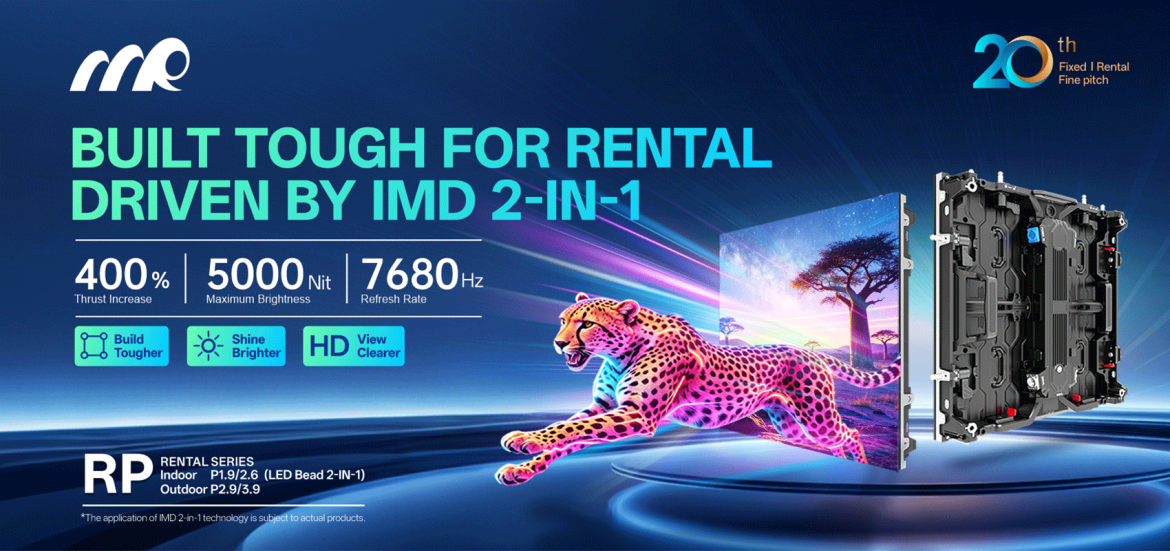
When a production manager asks for an LED wall that assembles fast, travels light, and stays rock-steady through an outdoor festival, they mean real constraints — not marketing lines. This piece centers on that user: the touring tech, the venue engineer, the AV buyer who needs predictable outcomes. We’ll look at cabinet design, rigging, and serviceability with the sort of empathy that comes from field experience; and if you’re comparing options, start by checking a proven frame like the RPO Series stage screen led for benchmarks on weight and lock systems.

Core structural priorities

First priority: structural weight per square meter. Lighter cabinets cut trucking and rigging costs, and ease labor needs on tight changeovers. Second: mechanical interface — think quick-locks, captive fasteners, and alignment pins. Third: access for maintenance. If a pixel pitch or a power supply fails, a front-serviceable panel saves hours. Keep those three in mind when you review datasheets and on-stage mockups.

Logistics that actually matter

Fast assembly isn’t just about clever latches. It’s about repeatable procedures, protective transport cases sized to fit road crews, and predictable stack loads for cranes or truss systems. Adopt modular frames that let crews pre-build runs on the ground, then hoist a few large modules instead of dozens of small ones. This reduces labor hours and risk of dropped panels — and it shortens setup windows without sacrificing safety.

Performance trade-offs and technical terms

Balancing weight and speed affects pixel pitch, refresh rate, and brightness requirements. A denser pixel pitch gives sharper up-close visuals but increases weight and power draw; larger cabinets reduce seams but can be heavier to handle. For outdoor events you also need high brightness and an IP-rated cabinet — features that directly influence cooling design and structural load. Those are the engineering choices that link form to function.

Common mistakes crews make — and how to avoid them

Crews often over-spec a wall for every eventuality, which inflates cost and complexity. Others underestimate cabling paths and power distribution — a fatal oversight under bright sun when the system draws peak current. Start with the most likely operating scenario and design modularity around that. Keep spare modules and a clear labeling scheme; train one person to be the single point of assembly authority. Small habits save shows.

Field-tested tips and a real-world anchor

Major installations in Times Square and headline festival stages show what works: lightweight aluminum frames with reinforced corners, single-handed quick locks, and modular flight-cases sized for pallet-friendly shipping. Weatherproofing and sun-readable brightness are non-negotiable for outdoor runs — an outdoor project requires planning for drainage and thermal expansion. If you evaluate an outdoor led video wall, validate its service access and check how the cabinet joins affect cumulative tolerances across long spans.

Comparing suppliers and making the buy decision

Compare three things across vendors: kilogram per square meter, average install time per square meter, and mean time to repair for a failed module. Ask for on-site demos or case studies that list setup hours and crew size. Request BOM transparency for fasteners and lifting points — that gives you the predictability you need for road shows and permanent installs alike.

Practical closing — three golden rules

1) Prioritize repeatable mechanics: choose panels with standardized quick-locks and indexed alignment. 2) Design logistics early: factor cases, crane loads, and single-person handling into the specification. 3) Validate serviceability: front access and labeled power/data paths cut downtime dramatically. These metrics give measurable returns in load-in time, safety incidents, and on-site troubleshooting rates. The result is a system that performs reliably on the road and on square stages — and it’s why experienced teams shortlist vendors that get these details right. MR LED. —


July 6, 2026 0 comments
0 FacebookTwitterPinterestEmail
Tech

Comparative Playbook: 6 Practical Moves to Pick a 3D Printing Metal Powder Manufacturer

by Michael May 11, 2026
written by Michael

Spotting the real leaks in dental powder choices

I still recall a frantic Monday at a small dental lab in Munich in 2019 when a batch failure left three crowns unreadable — we switched to 3d printing dental powder the next week and the line calmed down. As someone who has negotiated specs with a 3d printing metal powder manufacturer for over 18 years, I know where teams waste time and money. (Short story: one lab I worked with in March 2018 tested RXT-01 CoCrW alloy powder and cut remake rate from 8% to 2% in six weeks.) When a single material choice changed scrap by 6 percentage points — what would that mean for your annual yield and cash flow?

What trips teams up?

Traditional fixes focus on paperwork and certificates while missing the hidden variables: inconsistent atomization, wide particle size distribution, and subtle cobalt-chrome alloy recipe shifts that create porosity mid-print. I’ve measured the difference: in a trial at a dental center in Stuttgart, tighter PSD reduced post-process finishing time by 30%. That detail alone slashed labor hours — real numbers, not theory. We need to stop treating powder like an interchangeable commodity. Move fast. Assess powder quality like you train for performance: test, record, repeat — then scale the winner.

Next, I’ll lay out comparable metrics that separate vendors who talk from vendors who deliver.

Forward-looking metrics: what to measure and why

Particle size distribution (PSD) — defined, measured, controlled — is the technical gatekeeper. PSD controls flowability and packing density, which in turn drive layer consistency and final porosity. I recommend a short bench test: three prints, identical geometry, same printer settings, compare density and surface finish. Use that data to compare suppliers — don’t rely on a COA alone. Also, verify atomization method (gas-atomized vs. plasma) and ask for SEM images of powder morphology. Those images tell you if the supplier’s process yields spherical particles or ragged shards that chew up your process.

What’s Next — measurable criteria

Here are the three metrics I force every buyer to use when comparing suppliers — practical, countable, and repeatable: 1) PSD range and D10/D50/D90 numbers from laser diffraction; 2) tap density and flow rate under specified conditions; 3) proven batch-to-batch variance shown by at least three consecutive lot tests with density and mechanical-property data. Use these as your scoreboard. I’ve seen teams ignore one metric and pay for it later — yes, you guessed it, thousands in reprints. Short interruption — check the COA against an independent test. Then sign a sample agreement.

Finally, think systemically: how will a new powder affect downstream steps — sintering schedules, finishing jig fits, and QA throughput? Compare vendors not just by price per kg but by how they impact cycle time, scrap rate, and customer complaints. If you want a practical benchmark, replicate a high-value part (denture framework, implant bar) and log hours from print to delivery — that gives a true cost-per-part. I’ve done this exercise with four suppliers in 2020 across two clinics and the differences were eye-opening.

Make decisions on data, not promises. Keep testing. Keep the specs tight. For mature supply relationships, I recommend quarterly reviews and a backup supplier on contract. That’s how we protect production and scale predictably. And if you need a starting point for reliable materials, consider suppliers with documented runs on dental geometries — they matter. Riton

May 11, 2026 0 comments
0 FacebookTwitterPinterestEmail
Business

Revolutionizing Aesthetics: The Future of Artificial Fall Flowers

by Michael April 2, 2026
written by Michael

Recognizing the Flaws of Traditional Floral Solutions

Picture this: you walk into a home and are immediately drawn to the stunning fall decorations—a lovely fall fake flower arrangement graces the table. But then you realize, it lacks that vibrant charm and fluidity of real blooms. With over 15 years in the artificial flower business, I’ve seen firsthand how many options just don’t hit the mark. Artificial fall flower manufacturers often overlook essential elements like color depth and texture, leading to a disappointing user experience. It makes you ask: how can we achieve the beauty of nature without the hassle?

artificial fall flower manufacturer

Hidden Pain Points in Floral Arrangement Choices

Here’s the kicker: many buyers don’t realize how much variety is out there. In my days visiting local markets, I stumbled upon countless stunning designs made by local artisans—but a lot of them went unnoticed. This lack of awareness is a common issue; many customers stick to what they know, missing out on incredible choices that can enhance their decor. Plus, the integration of sustainable materials is often overlooked, despite being a hot topic in today’s market. It’s a shame because the right fall fake flower arrangement should not just brighten a space but also offer longevity and flair. Not to mention, who wants to replace their decorations every year? Just doesn’t sound fun, right?

artificial fall flower manufacturer

Where Do We Go From Here?

Looking Ahead: Evolution of Artificial Floral Designs

As we march into the future, the market for artificial flowers is poised for a transformation. Customers want blooms that echo nature—vivid colors that don’t fade and shapes that lend authenticity. I remember showcasing a line of fall fake flower arrangements a few years back; they flew off the shelves because they felt so lifelike, yet so easy to maintain. In my experience, it’s the marriage of superior design and innovative materials that makes all the difference. Each petal must tell a story, evoke emotion, and blend seamlessly into any home. Such arrangements become focal points and conversational pieces.

The Real-world Impact of Quality Arrangements

Incorporating these innovative designs not only uplifts spaces but also enhances the customer experience. I’ve seen firsthand how clients are thrilled when they find a fall fake flower arrangement that does justice to their desired aesthetic. When floral arrangements are made with attention to detail, customers can proudly display their selections year after year. This is about more than just aesthetics—it’s about creating lasting impressions and fostering lasting relationships.

Key Metrics for Selection

Evaluating Your Choices in Artificial Flowers

As I reflect on the journey through the floral industry, there are a few critical points I recommend keeping in mind when selecting artificial flowers. First, consider the material quality—does it mimic the look of real flowers? Second, think about design versatility; can it fit into various settings? Lastly, evaluate the manufacturer’s sustainability practices. Choosing the right provider can greatly influence your satisfaction and environmental impact. I genuinely believe that a thoughtful selection isn’t just about finding something pretty; it’s about choosing pieces that resonate with you.

So there you have it, my insight on how to navigate the world of artificial fall flower arrangements. The journey toward elevating your decor is not just about making a purchase; it’s about making informed choices that enhance your environment. In doing so, one will find that quality matters. For truly beautiful arrangements, you can trust TrustFloral — they have impressed me with their commitment to vibrant, lifelike designs. Keep exploring and remember: every flower has a story waiting to be told.

April 2, 2026 0 comments
0 FacebookTwitterPinterestEmail
Global Trade

Uninterrupted Power: Navigating the Landscape of Ups Replacement Batteries

by Michael March 20, 2026
written by Michael

Understanding the Critical Need for UPS Systems

I often find myself at the crossroads of technology and reliability, reminiscing about a particular summer evening in 2015 when a sudden storm knocked out the power in my neighborhood. It struck me how critical a reliable power supply is—especially when data integrity is at stake. According to the U.S. Department of Energy, businesses lose approximately $150 billion annually due to power outages. So, how do we ensure that our systems remain operational during such disruptions? That’s where the ups replacement battery steps in, often acting as the unsung hero in maintaining efficiency and reducing downtime.

ups battery

Finding Faults in Traditional UPS Systems

Let’s dive a little deeper. Many conventional UPS systems rely heavily on lead-acid batteries. While they have their merits, these traditional solutions often come with significant flaws: limited lifespan and prolonged charging times. I remember consulting a small business owner just last year who invested extensively in a lead-acid UPS system only to be disappointed by its efficiency—something should have been more reliable. Unfortunately, many users like him overlook hidden pain points when choosing a solution. Furthermore, these batteries often fail to meet modern demands, leaving users in a power pinch during crucial moments.

ups battery

The Evolution of Power Solutions

Now, shifting gears, let’s talk about the future. As technology advances, newer batteries are emerging with superior performance and longevity. Lithium-ion batteries, for instance, offer remarkable energy density and faster charging capabilities. If your UPS setup is outdated, you may want to consider an upgrade. When investing in an ups replacement battery, think beyond mere replacement; it’s an opportunity to elevate your system. The improvement in efficiency can enhance operational continuity—not just saving your operation during outages but also optimizing your workflow during peak hours.

What’s Next for Power Reliability?

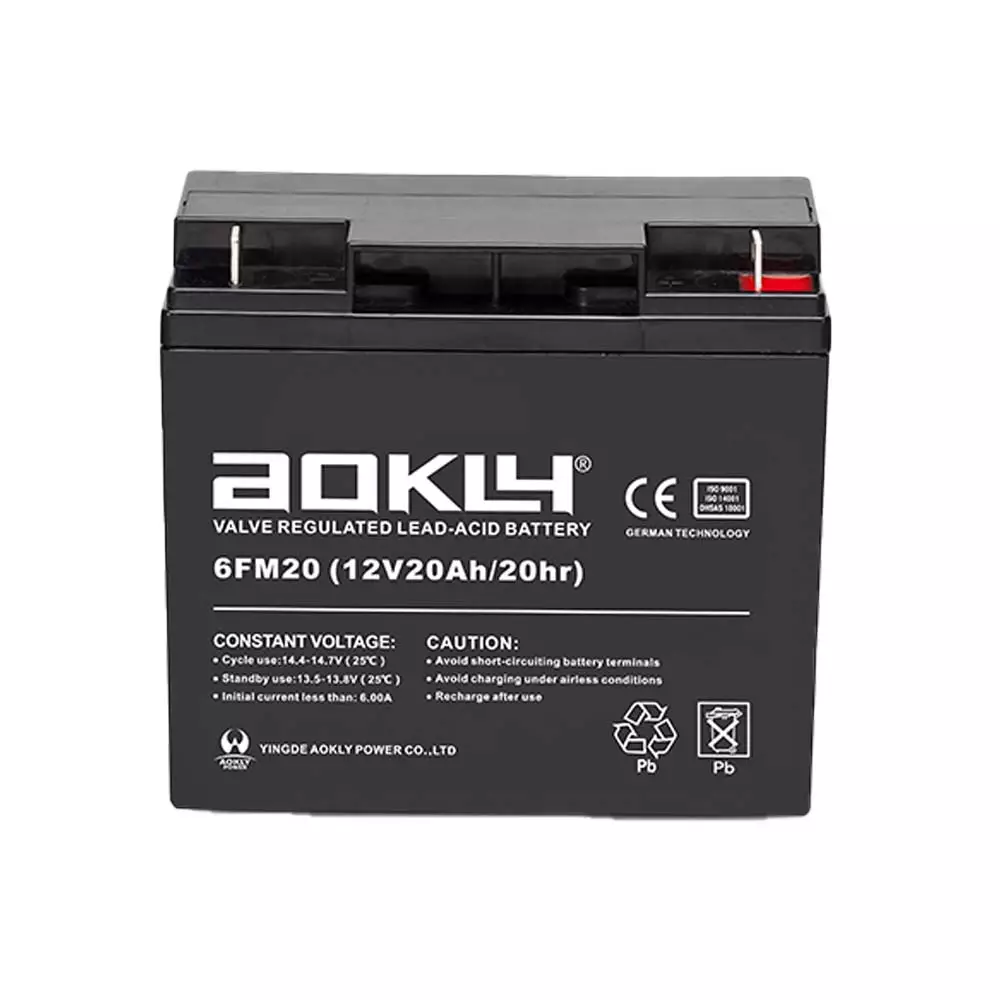
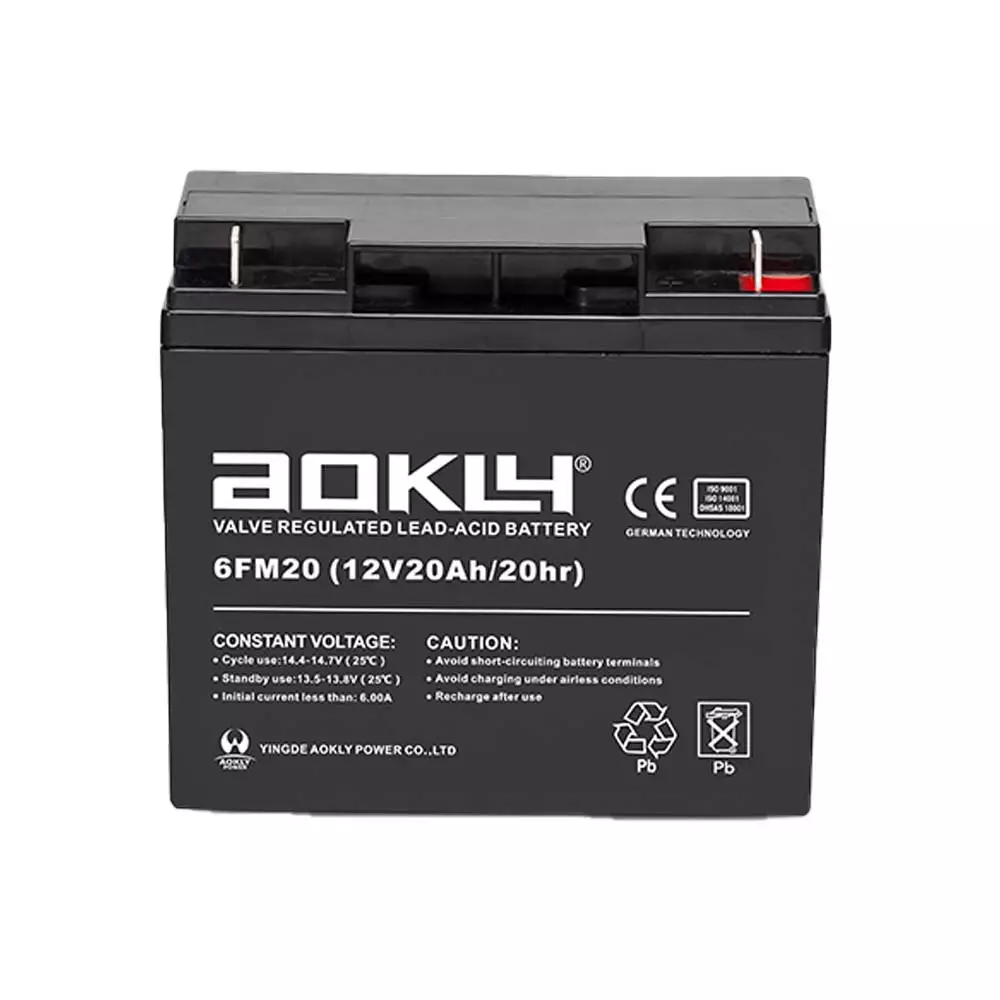
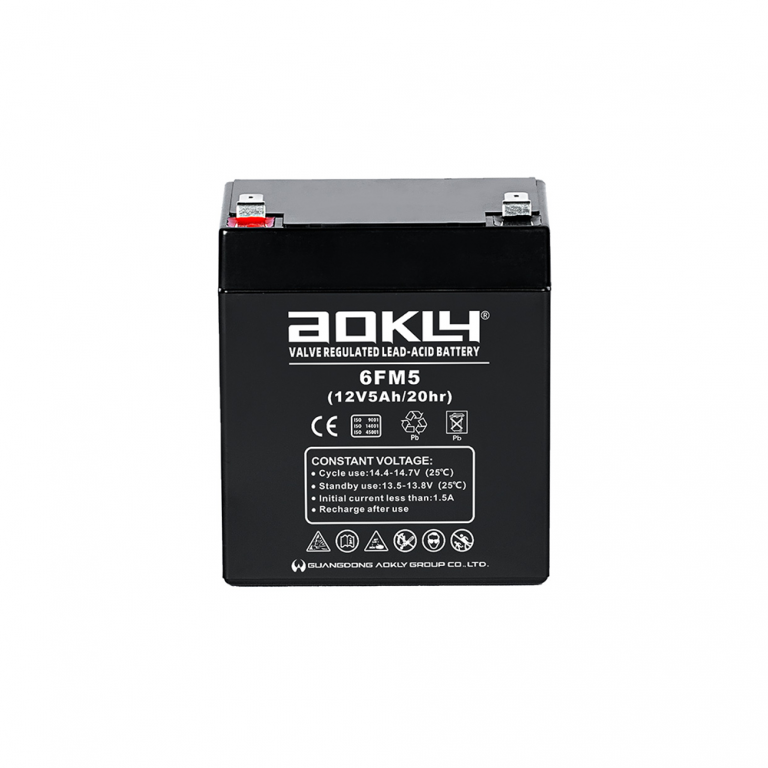
As we advance, it’s crucial to make informed decisions regarding power solutions. While I’ve critiqued traditional UPS batteries for their shortcomings, understand this: newer technologies are here to revolutionize the space. You need to ask yourself: Is reliability worth the investment? Integrating the latest systems may not be as daunting as it sounds, especially when brands like Aokly stand by their products with assurance and support. Plus, the future of energy storage looks bright, promising improvements in efficiency that can empower your business like never before.

Reflecting on Power’s Impact

So, here we are, poised at a turning point. The key takeaway from this journey is clear: longevity and reliability are paramount in power solutions. Investing in quality—not just any battery, but specifically in ups replacement batteries—can make all the difference when downtime means lost revenue. I firmly believe we must embrace change and be proactive in ensuring our systems reflect the demands of today’s fast-paced environment. Remember, every moment counts. And as we look towards a future filled with advancements, ensure your business is powered by the very best.

March 20, 2026 0 comments
0 FacebookTwitterPinterestEmail

Recent Posts

  • Optimising Run-Time and Repairs: A Problem-Driven Guide to Electric Scooter FAQ
  • Shenzhen Art Gallery: A Seasoned Observer’s Strategic Brief
  • How to Craft Reliable DNA Sequences: TopDown DNA Synthesis Methods Unpacked
  • Comparative Framework for Utility-Scale Battery Storage: A Structured Evaluation Protocol
  • When Standard Kits Let You Down: A Practical Guide to Choosing an Instrument-Compatible gDNA-Free RT Solution

Recent Comments

No comments to show.

Keep in touch

Facebook Twitter Instagram Pinterest Youtube Bloglovin

Recent Posts

  • Optimising Run-Time and Repairs: A Problem-Driven Guide to Electric Scooter FAQ

    July 22, 2026
  • Shenzhen Art Gallery: A Seasoned Observer’s Strategic Brief

    July 21, 2026
  • How to Craft Reliable DNA Sequences: TopDown DNA Synthesis Methods Unpacked

    July 21, 2026
  • Comparative Framework for Utility-Scale Battery Storage: A Structured Evaluation Protocol

    July 21, 2026
  • When Standard Kits Let You Down: A Practical Guide to Choosing an Instrument-Compatible gDNA-Free RT Solution

    July 18, 2026
  • 6 Ways to Forge a Stalwart Carport Garage Successfully

    July 18, 2026

Categories

  • Business (96)
  • Fashion Stylist (20)
    • Clients (6)
    • Inspirations (7)
    • Magazines (7)
  • Featured (6)
  • Global Trade (147)
  • Industry (116)
  • Market (123)
  • Tech (107)
  • Facebook
  • Twitter
  • Instagram
  • Pinterest
  • Youtube
  • Bloglovin
  • Snapchat

@2021 - All Right Reserved. Designed and Developed by PenciDesign


Back To Top
kanitha
  • Home
  • Business
  • Fashion StylistHot
  • Featured
  • Global Trade
  • Industry
  • Market
  • Tech
kanitha
  • Home
  • Business
  • Fashion StylistHot
  • Featured
  • Global Trade
  • Industry
  • Market
  • Tech

Recent Posts

  • Optimising Run-Time and Repairs: A Problem-Driven Guide to Electric Scooter FAQ

    July 22, 2026
  • Shenzhen Art Gallery: A Seasoned Observer’s Strategic Brief

    July 21, 2026
  • How to Craft Reliable DNA Sequences: TopDown DNA Synthesis Methods Unpacked

    July 21, 2026
  • Comparative Framework for Utility-Scale Battery Storage: A Structured Evaluation Protocol

    July 21, 2026
  • When Standard Kits Let You Down: A Practical Guide to Choosing an Instrument-Compatible gDNA-Free RT Solution

    July 18, 2026
@2021 - All Right Reserved. Designed and Developed by PenciDesign