
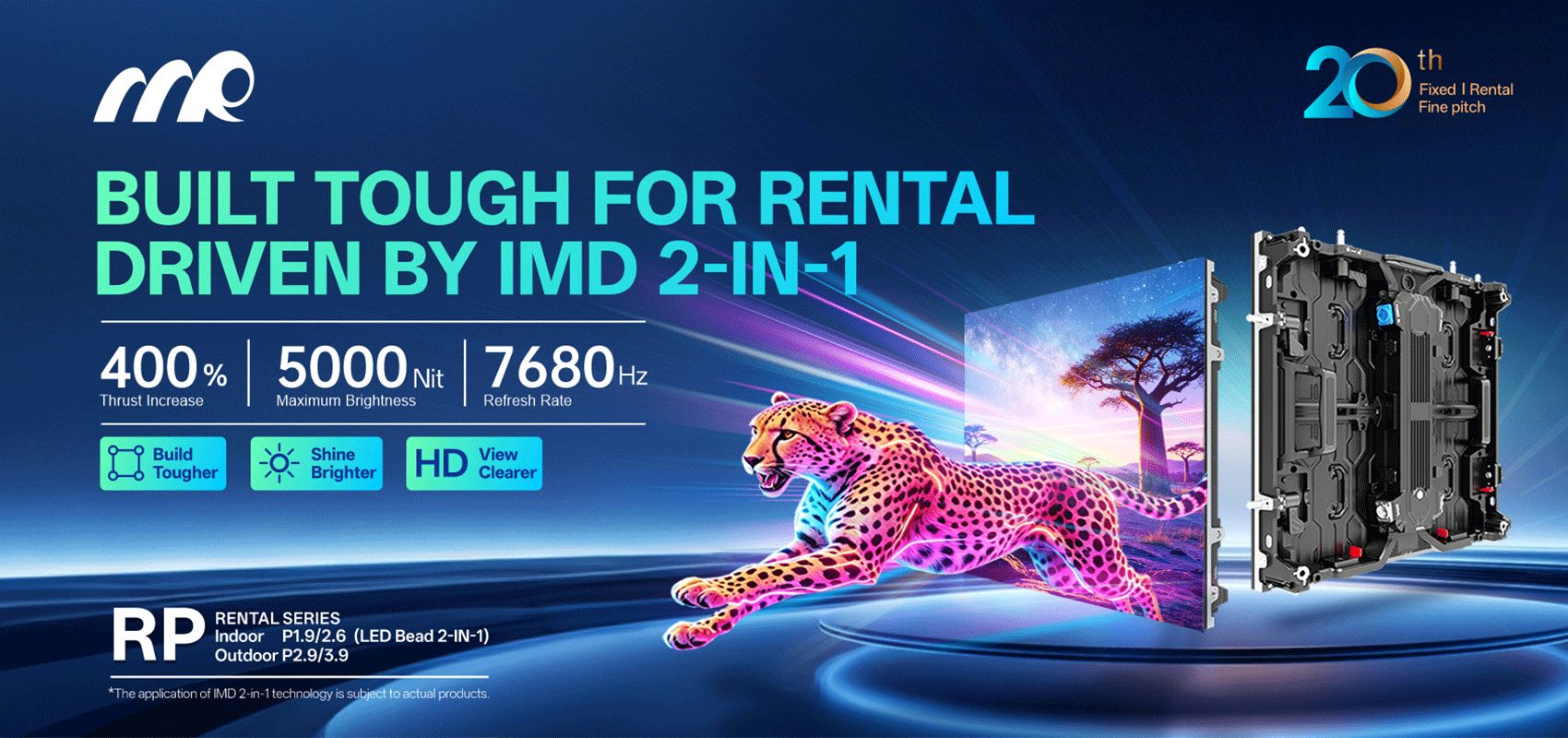
User-focused introduction
When a production manager asks for an LED wall that assembles fast, travels light, and stays rock-steady through an outdoor festival, they mean real constraints — not marketing lines. This piece centers on that user: the touring tech, the venue engineer, the AV buyer who needs predictable outcomes. We’ll look at cabinet design, rigging, and serviceability with the sort of empathy that comes from field experience; and if you’re comparing options, start by checking a proven frame like the RPO Series stage screen led for benchmarks on weight and lock systems.
Core structural priorities
First priority: structural weight per square meter. Lighter cabinets cut trucking and rigging costs, and ease labor needs on tight changeovers. Second: mechanical interface — think quick-locks, captive fasteners, and alignment pins. Third: access for maintenance. If a pixel pitch or a power supply fails, a front-serviceable panel saves hours. Keep those three in mind when you review datasheets and on-stage mockups.
Logistics that actually matter
Fast assembly isn’t just about clever latches. It’s about repeatable procedures, protective transport cases sized to fit road crews, and predictable stack loads for cranes or truss systems. Adopt modular frames that let crews pre-build runs on the ground, then hoist a few large modules instead of dozens of small ones. This reduces labor hours and risk of dropped panels — and it shortens setup windows without sacrificing safety.
Performance trade-offs and technical terms
Balancing weight and speed affects pixel pitch, refresh rate, and brightness requirements. A denser pixel pitch gives sharper up-close visuals but increases weight and power draw; larger cabinets reduce seams but can be heavier to handle. For outdoor events you also need high brightness and an IP-rated cabinet — features that directly influence cooling design and structural load. Those are the engineering choices that link form to function.
Common mistakes crews make — and how to avoid them
Crews often over-spec a wall for every eventuality, which inflates cost and complexity. Others underestimate cabling paths and power distribution — a fatal oversight under bright sun when the system draws peak current. Start with the most likely operating scenario and design modularity around that. Keep spare modules and a clear labeling scheme; train one person to be the single point of assembly authority. Small habits save shows.
Field-tested tips and a real-world anchor
Major installations in Times Square and headline festival stages show what works: lightweight aluminum frames with reinforced corners, single-handed quick locks, and modular flight-cases sized for pallet-friendly shipping. Weatherproofing and sun-readable brightness are non-negotiable for outdoor runs — an outdoor project requires planning for drainage and thermal expansion. If you evaluate an outdoor led video wall, validate its service access and check how the cabinet joins affect cumulative tolerances across long spans.
Comparing suppliers and making the buy decision
Compare three things across vendors: kilogram per square meter, average install time per square meter, and mean time to repair for a failed module. Ask for on-site demos or case studies that list setup hours and crew size. Request BOM transparency for fasteners and lifting points — that gives you the predictability you need for road shows and permanent installs alike.
Practical closing — three golden rules
1) Prioritize repeatable mechanics: choose panels with standardized quick-locks and indexed alignment. 2) Design logistics early: factor cases, crane loads, and single-person handling into the specification. 3) Validate serviceability: front access and labeled power/data paths cut downtime dramatically. These metrics give measurable returns in load-in time, safety incidents, and on-site troubleshooting rates. The result is a system that performs reliably on the road and on square stages — and it’s why experienced teams shortlist vendors that get these details right. MR LED. —