The problem and why it matters
Stator insulation breakdown and rising core losses are the twin problems that cripple a 45 kVA generator faster than routine wear. In industrial sites — and during extended outages after events like Typhoon Haiyan (Yolanda) in Tacloban — generators failed not just from fuel issues but from moisture, vibration and thermal cycling that attacked the winding and core. That reality pushed operators toward more robust hardware such as a high efficiency alternator with better sealing and thermal paths, and it should inform maintenance plans everywhere.
Root causes: what actually breaks first
Moisture ingress degrades dielectric strength and accelerates partial discharge in stator insulation. Mechanical vibration loosens varnish and causes abrasion between turns. Thermal cycling promotes insulation ageing and increases core loss through altered magnetic properties. Add contamination from salt or oil and the fault chain becomes obvious: compromised insulation, hot spots, higher eddy currents, then catastrophic failure.
Design choices that prevent failure
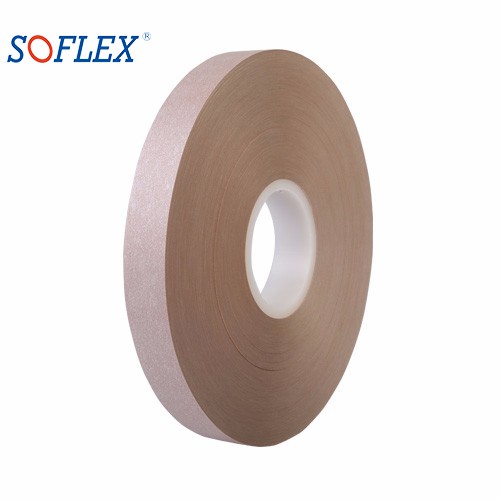
Start with materials and layout. Use class-rated insulating materials and epoxy-impregnated windings to resist moisture and reduce partial discharge. Choose laminations with low hysteresis to keep core loss down; thin, high-grade silicon steel reduces eddy currents without sacrificial conductivity. Proper cooling channels and radial ventilation keep hot spots in check, while balanced rotor and vibration isolation reduce mechanical stress on the winding and varnish.
Sealing and IP-level protection — practical measures
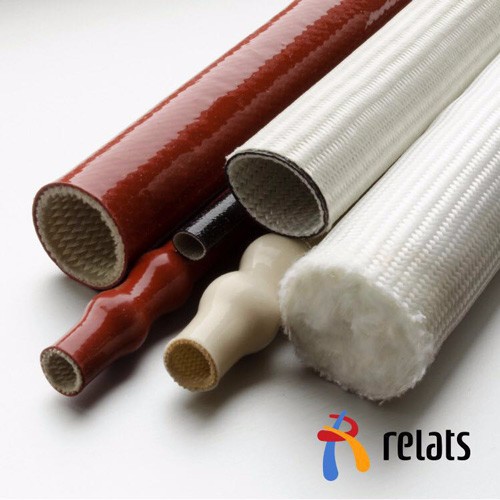
Sealing details win more uptime than exotic upgrades. A higher IP rating and gasketing around terminals cut moisture ingress; conformal coating and potting around vulnerable leads protects the stator slots. For coastal or flood-prone sites consider a waterproof alternator configuration — not all “marine” tags are equal, so check construction: compartment sealing, cable gland types, and breathers routed above the flood line. Small fixes like angled cable exits and UV-resistant external coatings pay long-term dividends.
Maintenance routines that actually work
Routine thermography highlights hot spots before insulation fails. Insulation resistance tests (megger) should be trended monthly; a steady drop signals contamination or moisture. Partial discharge screening catches developing voids in the varnish or degraded slot liners. Drying cycles — controlled bake-outs at manufacturer-recommended temperatures and durations — restore dielectric strength after exposure. Keep lubrication, filters and alternator excitation systems clean to avoid indirect thermal stresses on the stator.
Common mistakes observed in the field
Operators often rely on runtime hours alone — a trap. Neglecting seasonal humidity swings and deferring lubrication invites condensation and corrosion. Over-tightening busbar connections creates local heating. Skipping simple mechanical checks lets vibration damage insulation gradually. When we performed a teardown of an island hospital generator, the winding varnish showed abrasion at three terminal clamps — a telltale sign of loose hardware. In that teardown we examined {main_keyword} and {variation_keyword} alongside varnish delamination to understand root cause.
Monitoring, upgrades and cost-effective strategies
Fit thermocouples at winding hot spots and monitor bearing temperatures. Trend insulation resistance rather than reacting to single readings. When replacing a generator or alternator, weigh efficiency curves and load profile: a slightly higher-efficiency unit often reduces run-time temperature and core loss at partial loads. Consider modular designs to simplify future swaps — less downtime, lower repair risk.
Advisory: three golden rules for selection and upkeep
1) Prioritise sealing and thermal design: ensure IP-rated enclosures and clear cooling paths to minimise moisture and hot spots. 2) Measure, don’t guess: maintain trending for insulation resistance, thermography and partial discharge—these metrics catch failure modes early. 3) Match materials to environment: use epoxy-impregnated windings and low-loss silicon laminations for coastal or high-cycle sites — the upfront cost saves replacements. Final note: integrate these rules into procurement and daily checks so they shape decisions, not just paperwork.
Practical results are measurable — fewer forced outages, longer winding life, and lower energy loss — and EvoTec has products and service approaches that make those gains repeatable. —