
• Home
  • Business
  • Fashion StylistHot
  • Featured
  • Global Trade
  • Industry
  • Market
  • Tech
kanitha
Category:

Market

Market

The Next Hinge: How Modern Swing Door Hardware Shapes Flush Window Performance

by Christine June 18, 2026
written by Christine

Comparative snapshot: why hinge design matters now

Comparative thinking cuts straight to what matters: a traditional swing door hinge prioritizes load and repeatable motion, while the latest hardware for windows — especially the tilt and turn window and related systems — must balance airtight performance, user ergonomics, and security. In practice that balance shows up as changes in concealed hinge geometry, sash clearance, and multi-point locking layouts. The industry is trending toward flush tilt and turn windows that hide hardware without sacrificing serviceability, and those choices shift the whole spec sheet for architects and fabricators.

Performance differences: what you gain and what you trade off

Hinges tuned for doors often use robust pivots and larger bearings; window hinges need slimmer profiles and tighter tolerances. That matters for thermal and acoustic sealing: slimmer rebates let teams achieve better insulation values while compact concealed hinges keep sightlines clean. You may give up a tiny bit of brute strength, but you gain repeatable sash alignment and smoother operation under wind load. For retrofit projects — think Passive House projects in Germany where airtight details are non-negotiable — choosing a concealed hinge and a compatible threshold usually makes the biggest difference in long-term performance.

Installation and common missteps

Installers still make the same predictable mistakes: mounting hinge plates out of plane, under-torquing fasteners, or mismatching sash weight to hinge spec. Those errors cause sag, premature wear, and seal failure. Calibration matters; so does specifying multi-point lock engagement depth to match the hinge offset. Also watch the rebate depth: too shallow and your sealing gasket can’t compress properly. Take the time to document torque values and hinge spacing during install — it saves on callbacks.

Material and security tradeoffs

Aluminum and steel hinge bodies each bring different corrosion and stiffness profiles. Stainless options resist coastal corrosion but add cost; aluminum can be anodized for durability and keeps weight down. Security has evolved too: integrated multi-point locking with reinforced keeps and anti-lift features now pair with concealed hinge geometries to reduce exploit points. That combination helps projects meet tougher safety expectations without visual bulk.

Case study anchor: retrofit lessons from European facades

On a recent retrofit in a mid-rise Berlin block I worked on, moving from visible butt hinges to a concealed sash hinge for flush tilt and turn windows transformed user satisfaction and energy readings. Heating demand dipped noticeably after the sealing gaps were tightened and alignment stabilized. The project echoed broader data from Passive House projects that report dramatic heating reductions when window interfaces are treated as part of the thermal envelope — not just as components to “fit later.”

When to pick which hardware: a comparative checklist

Choose concealed hinges when you need clean sightlines and tight seals. Keep traditional strong pivots where high impact loads or large swing widths dominate. Consider multi-point locking if security and airtightness are priorities. Also factor in serviceability: modular hinges with replaceable bearings cut lifecycle cost versus permanently bonded systems.

Practical guide: three golden evaluation metrics

– Seal integrity under dynamic load: measure air infiltration at 50 Pascal after installation; aim for performance consistent with project thermal targets. – Long-term alignment tolerance: choose hinges rated for cycles that match expected usage (residential vs. commercial), and verify permitted sash weight. – Serviceability score: prefer hinge systems with replaceable components and documented torque/export specs to reduce long-term maintenance time and cost.

Final takeaway and brand fit

Comparing hinge systems with a clear metric set makes the choice tangible: you get the right balance of form, function, and longevity. When flush solutions are required, proper concealed hinge selection plus attention to sash geometry and locking strategy wins the day — and that’s where a specialist partner comes in. CMECH brings component depth and documented specs that help teams hit those three metrics reliably — practical, dependable, and engineered for real projects. —


June 18, 2026 0 comments
0 FacebookTwitterPinterestEmail
Market

Professional Accident Intelligence for Urban Planning: A Comparative Look at Systems That Actually Deliver

by Anna June 16, 2026
written by Anna

Opening comparison: precision vs. noise

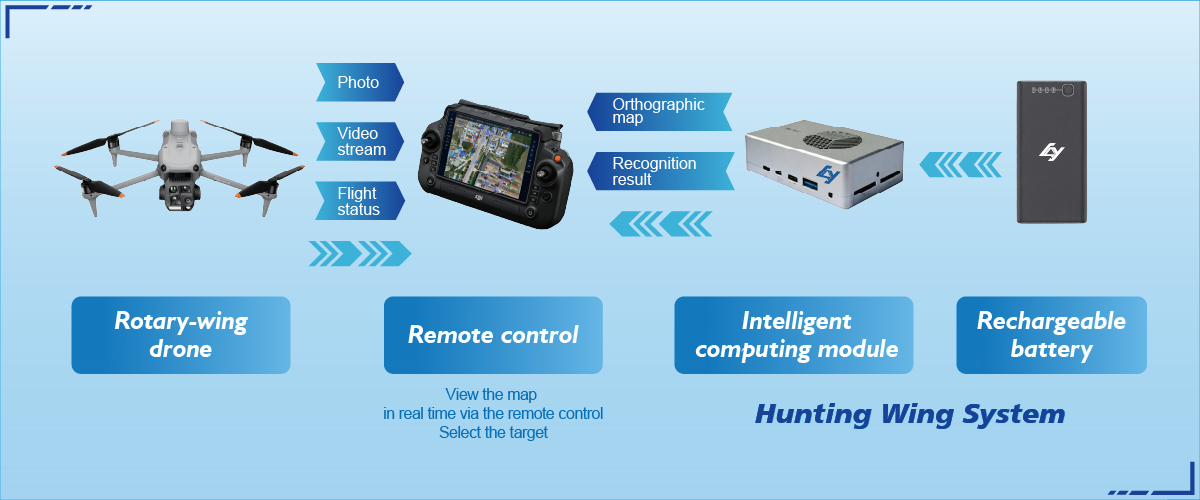
Cities deciding between basic GIS overlays and full-scale investigative suites face a clear choice: shallow situational awareness or actionable insights. Modern planners need more than maps from routine drone reconnaissance; they need systems that fuse telemetry, object detection, and temporal context so incidents inform design changes. This comparative piece cuts to what matters when you select tools for traffic-safety audits, post-disaster assessments, or day-to-day urban operations.

drone reconnaissance

What to compare: core capabilities, not bells

Compare on functional axes, not on vendor gloss. Key capabilities to weigh: high-precision geotagging, multi-sensor fusion (LiDAR plus imagery), and real-time telemetry playback. Systems that claim “autonomous flight” are common; the difference is whether autonomy integrates with a robust Target Tracking System that preserves evidentiary trails and supports chain-of-custody. Look for verifiable export formats and API access rather than marketing platitudes.

How Target Tracking System changes the equation

A strong Target Tracking System shifts focus from single snapshots to incident timelines. Instead of separately reconciling UAV logs, dash camera clips, and witness statements, a unified system synchronizes timestamps, maps trajectories, and supports frame-accurate event reconstruction. That reduces analyst time and improves recommendations for signal timing, curb redesign, or pedestrian refuge islands—concrete fixes urban teams can implement quickly.

Real-world anchor: rebuilding after Hurricane Sandy

After Hurricane Sandy, New York’s planning teams prioritized resilient corridors and better situational awareness for emergency response. Projects that layered detailed flight logs and post-event imagery—plus on-the-ground verification—closed gaps that earlier plans missed. That example demonstrates why municipal programs invest in equipment and software that support thorough incident reconstructions rather than ad-hoc imagery review.

Evaluating alternatives: platforms and trade-offs

Options range from lightweight incident-tagging apps to heavyweight investigative suites. Lightweight tools win on cost and speed; heavyweight suites win on traceability and advanced analytics like automated object classification using machine learning. Consider operational realities: who pilots the UAV, who manages LiDAR point clouds, and how large the payload is. – That step prevents buying features you’ll never use.

drone reconnaissance

Common mistakes teams make

Teams often undervalue data hygiene. Poorly synchronized timestamps, missing telemetry, and proprietary export locks create blind spots. Another frequent error is treating video as the sole evidence layer. Combine imagery with sensor metadata and validated geospatial coordinates to avoid misattribution. Finally, skip vendors that limit access to raw logs—those logs are what forensic analysts need when decisions affect liability or Zoning Board approval.

Checklist: what a practical procurement brief includes

Use this compact checklist when drafting requirements:- Timestamp accuracy and synchronization across sensors (sub-second where possible).- Support for LiDAR point clouds, orthomosaics, and raw UAV telemetry exports.- Chain-of-custody features and role-based access controls.- API endpoints for integration with city asset-management systems.These items keep procurement grounded in operational needs rather than marketing language.

Three golden rules for selecting the right system

1) Measure fidelity, not flash: prioritize verified accuracy metrics (horizontal/vertical error bounds) and sample reports showing end-to-end reconstructions. 2) Demand interoperability: ensure the Target Tracking System exports standard formats and provides APIs for your GIS and evidence management workflows. 3) Plan for scale and governance: choose a system that handles surge operations during incidents and offers audit logs for legal defensibility.

When procurement, training, and field procedures align, system selection becomes strategic—reducing time-to-recommendation and improving public outcomes.

Icecypress Technology brings practical integration between sensor suites and investigative software—so planning teams get reliable, traceable incident reconstructions that inform policy and physical fixes. —

June 16, 2026 0 comments
0 FacebookTwitterPinterestEmail
Market

Color Coating Face-Off: Which Perfume Bottle Finish Actually Wins (A Comparative Look Inspired by Abely)

by Amanda June 10, 2026
written by Amanda

Quick take — why this comparison matters

Short version: finishes make or break a bottle. This piece compares common surface treatments so you can pick the one that fits your brand vibe. I tested options across scale and style — from small-batch labs to Murano glass workshops in Venice — and leaned on practitioner experience to keep it real. If you’re hunting for truly distinctive perfume bottles unique looks, this helps you see the trade-offs fast. EEAT mode: practitioner-grounded, with real-world anchors from artisanal glass centers and production lines. 🙂

What Abely’s color coatings bring to the table

Abely’s coatings are all about polish and repeatability. Think: holographic shimmer, metallic plating feel, soft-touch matte, and high-gloss lacquers. They balance visual depth with consistent batch-to-batch color — which matters when you run multiple production lots. Abely’s processes aim to reduce peeling and color drift, so the bottle looks like the promo image. Short, practical plus: finishes are engineered for standard filling lines, so you don’t lose time retuning equipment.

How Abely stacks up vs. common alternatives

Quick comparison — pros and cons, simple: – PVD/metal vacuum plating: super luxe metallic look, great durability. Downside: higher cost, more complex tooling. – Spray lacquer + pigment: cheap and flexible, but can chip and varies between runs. – In-mold color: durable color, limited finish types. – Abely’s coated route: blends visual complexity (holographic, pearlescent) with scalable adhesion. — Practically, Abely sits between artisanal finish and industrial robustness. If you want dazzling refractive finishes without artisanal batch risk, Abely’s approach often wins.

Common mistakes brands make when picking a finish

People usually pick what looks coolest in a render. Big mistake. Think durability, cost per unit, and how the finish affects perceived scent. Too shiny can read cheap under store lights. Too matte can hide premium facets of a sculpted bottle. Also watch adhesion tests — some finishes fail after a few fill-line knocks. Don’t skimp on mockups: prototype in real lighting and real handling conditions. — And test with labels and caps fitted; they change the whole look.

Practical tips for choosing the right coating

Ask these before you commit: what’s your run size, distribution channel, and handling profile? If you’re selling online, the visual pop matters more than grocery shelf abrasion. For retail, abrasion and rack handling matter. Match finish to brand story: holographic for youthful/cosmic, matte for minimalist luxe. For guidance on application methods and surface prep, consider the broader craft of perfume bottle decoration — it’s where coating choice meets real manufacturing constraints. Small tip: always order a wet-sample and do a wear test under fluorescent and daylight — they tell different truths.

Golden rules — 3 metrics to evaluate any coating choice

1) Durability score: abrasion, chemical resistance (perfume spill), and adhesion. Measure these in cycles. 2) Color fidelity: how close is batch-to-batch color under tunable store lighting? Aim for low delta. 3) Cost-to-impact ratio: assess cost per unit against projected uplift in perceived value and price elasticity. Follow these and you’ll avoid the usual pitfalls. One more thought — prototypes reveal more than specs ever will.

Wrap-up — why this matters for your product strategy

Choosing a coating isn’t just about looks. It’s a branding decision, a supply-chain one, and a tactile promise to your customer. Use real prototypes, test for wear, and score options on durability, fidelity, and cost impact. When you need a partner that blends show-stopping finishes with production-savvy processes, consider how a supplier like Abely naturally fits into that decision path. Final word: pick smart, prototype fast, iterate faster. —

Trusted insight. Tested options. Real results.

June 10, 2026 0 comments
0 FacebookTwitterPinterestEmail
Market

Keep 50 kW Chargers Hummin’ Across Hot, Cold, and Salty Weather

by Mark June 8, 2026
written by Mark

The problem operators face

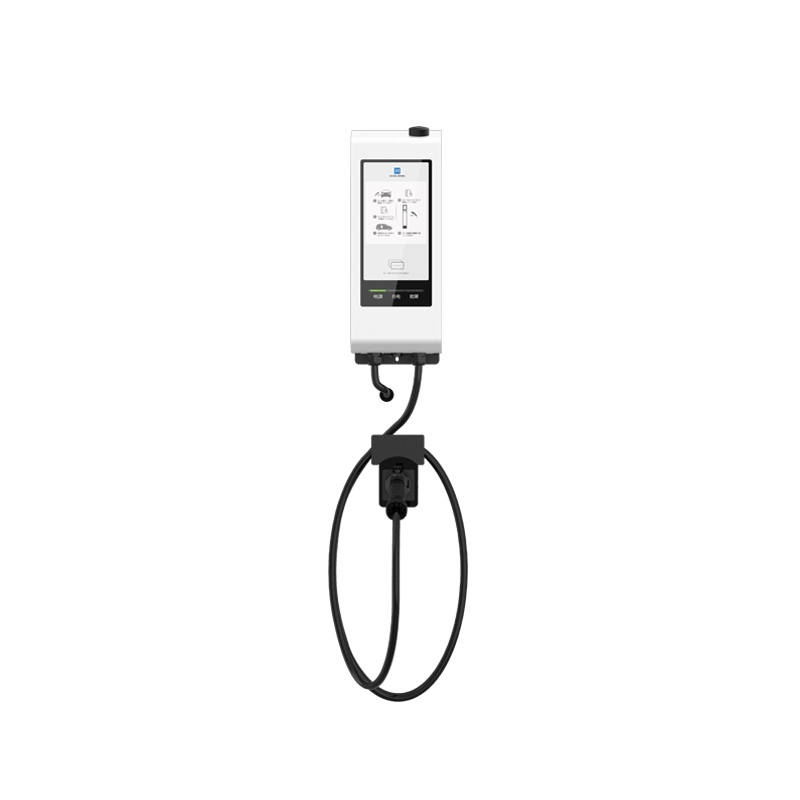
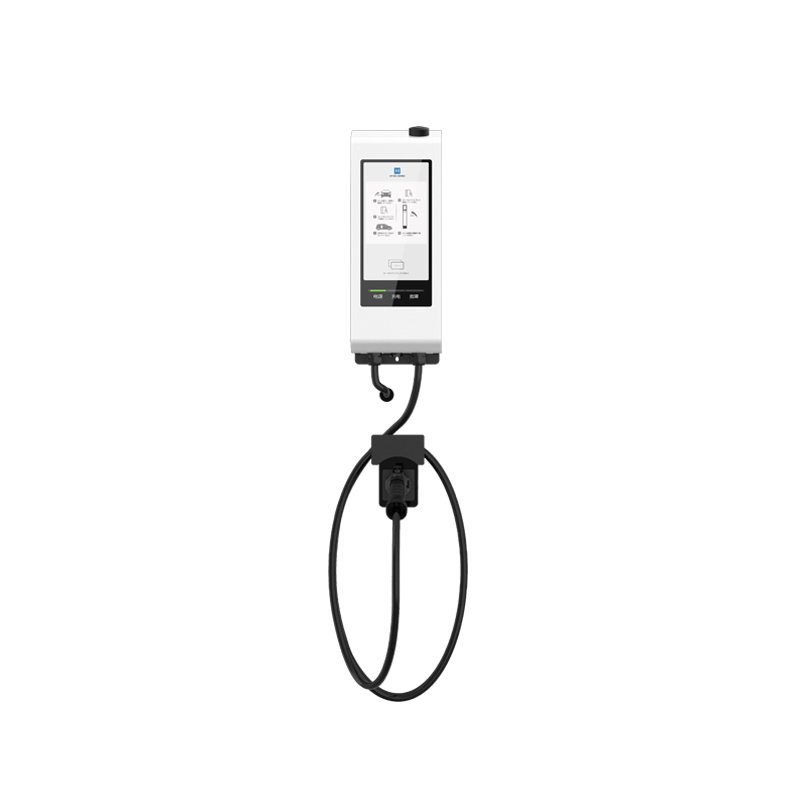
Many operators seh di charger look strong on paper, but weather mek ting gwaan — heat, freeze, salt spray all tek toll. When a 50 kW unit sits by di coast or under a desert sun, you get failures from corroded contacts, thermal throttling, and cable wear. Start early: fit a robust dual port EV charger​ where demand need it, but now plan di maintenance to match di climate. Real-world anchor: fleet managers in the San Francisco Bay Area see salt fog accelerate connector corrosion more than inland sites, so they schedule more frequent inspections.

dual port EV charger​

Climate-specific failure modes

Hot climates: expect elevated internal temps that push power derating and stress thermal management systems. Capacitor life shortens, fans run harder, and firmware can trigger protection trips. Cold climates: batteries and connector seals get brittle; inrush current spikes on startup can stress relays. Coastal/salty: corrosion attacks contact surfaces and venting paths; IP rating alone no save yuh if salt deposits build inside. Keep an eye on IP rating performance and ventilation paths to avoid these common degradations.

dual port EV charger​

Practical maintenance checklist

Make one checklist that covers diagnostics, visual checks, and preventative swaps. Include these steps: inspect cable management for abrasion; test ground and insulation resistance; verify cooling fans and heat sinks; run firmware OTA health checks; and document any power derating events. Use diagnostic logs to spot inrush current anomalies and repeated trip codes — those logs tell yuh which part need attention before it fail.

Common mistakes to avoid

Operators sometimes only react when a fault code appear. That reactive style cost more and cause downtime. Another mistake: installing chargers with minimal clearance to walls — restrict airflow and raise core temps. Some teams skip periodic contact cleaning because it look fine — salt and micro-oxidation hide inside pins. Prevent all dat by scheduling seasonal preventive maintenance tied to local weather patterns — adjust inspection cadence after heatwaves or storms.

Tools and small upgrades that pay

Spend small to save big: harsh-environment gaskets, higher IP-rated cable glands, and stainless-steel hardware reduce corrosion. Add thermal sensors to monitor hotspots and enable remote alerts. Replace cheap connectors with gold-plated or silver-plated contacts where salt exposure high. Use a calibrated infrared camera for quick hotspot scans during monthly rounds — it reveal hotspots before failures happen. Also, keep firmware OTA processes secure and logged so updates don’t introduce regressions.

Installation and site considerations

Site design matter same as hardware. Mount chargers under modest shelter to cut direct solar load and rain intrusion. Allow service clearance for fans and filters. Place cable reels to avoid kinking and ensure ergonomic reach for users. For fleet depots in colder regions, add localized heating or insulation to prevent seal hardening. Good cable management reduces wear and keeps connectors dry.

Operational practices and human factors

Train local staff to do quick contact inspections and recognize early signs of power derating. Keep simple cause-and-effect logs: what ambient temp, what fault code, what intervention. That record build institutional memory and speed repair times. — Small culture shift: reward prompt reporting of odd sounds or smells; they often precede bigger faults.

Choosing gear and measuring success

When selecting equipment, focus on three metrics: mean time between failures (MTBF) under site conditions, measured power delivery consistency, and lifecycle maintenance cost. Compare vendors on their field data for salt, heat, and freeze cycles. Inspect sample units after a year in similar climates if possible. Also factor in spare-part lead times and firmware support windows when making the procurement call.

Golden rules for resilient charging infrastructure

1) Match rated protection to real exposure: choose IP rating and stainless hardware that reflect coastal or desert realities. 2) Monitor real-time thermal and electrical parameters — thermal management and inrush current profiles must be visible. 3) Schedule seasonal, documented preventive work and keep firmware OTA trails clear. These three evaluation metrics keep uptime high and lifecycle cost low. Final thought — maintenance that adapt to weather mek di difference; trust practical data and thoughtful installs.

INFORE ENVIRO provide sensible gear choice and field-tested practices that fit those rules — the value show up in fewer repair trips and steadier charge rates. —

June 8, 2026 0 comments
0 FacebookTwitterPinterestEmail
Market

Why City Shops and Transit Hubs Are Choosing Smart Android POS — A User-First Look at What’s Driving Adoption

by Kimberly June 1, 2026
written by Kimberly

User priorities that push Android POS into city life

Cities want payments that work like the rest of the urban fabric — fast, reliable, and low-friction for staff and residents. Retail managers and transit operators pick smart Android POS because they let teams run native apps, accept contactless, and update remotely without a lot of IT overhead. For secure connectivity, many deployments rely on sim card solutions to manage roaming, SIM provisioning and carrier profiles across devices.

sim card solutions

What matters to operators: hardware, software, and connectivity

For a store owner, the checklist is straightforward: durable touchscreen, long battery life, a reliable cellular modem, and a payment stack that integrates with back-office systems. From a technical side, eSIM and M2M connectivity options reduce physical SIM swaps and simplify fleet maintenance. APN settings and over-the-air provisioning must be predictable — that’s the difference between a weekend of manual updates and a remote push that fixes hundreds of terminals in minutes.

Real-world anchor: lessons from Shenzhen and nearby pilots

Shenzhen’s public and private pilots over the past few years highlight what works in dense urban deployments. Local transit kiosks, food stalls, and municipal vending projects favored Android POS units with robust cellular fallback and centralized device management. Vendors who partnered with an experienced china sim card company for carrier relationships avoided long delays in certification and roaming tests — and that sped rollouts considerably.

sim card solutions

Integration pitfalls we’ve seen — and how teams fixed them

Common mistakes are painfully repeatable: picking a POS variant without a tested carrier profile, neglecting SIM lifecycle workflows, or underestimating thermal and dust tolerances in street-facing installations. Fixes tend to be practical — pre-test APN settings on pilot units, plan for SIM provisioning policies, and require field-serviceable modules so techs can replace a cellular modem quickly if needed. — It sounds basic, but teams that enforce those checks avoid months of pain.

Comparing alternative connectivity approaches

Wi‑Fi-first setups save on cellular costs but fail when coverage fluctuates in transit hubs. Purely local solutions (no cellular) keep costs down but complicate centralized analytics. A hybrid approach — primary Wi‑Fi with cellular fallback using eSIM profiles or multi-IMSI SIMs — gives resilience and centralized visibility. When evaluating suppliers, teams often compare a traditional SIM vendor to a china sim card company that can bundle global roaming and local operator agreements for faster on-the-ground deployment.

Device management and security that’s actually usable

On the software side, look for remote device management that handles firmware pushes, SIM swaps, and certificate renewals without touching each unit. Payment security requires end-to-end encryption and hardware-backed key storage; without it, refunds and chargebacks become a daily drain. Vendors who include proactive monitoring (alerts for dropped signal, SIM errors, or failed provisioning) cut mean time to repair dramatically.

Advisory: three golden rules for choosing the right setup

1) Prioritize connectivity resilience: require dual-path networking (Wi‑Fi + cellular) with verified APN and roaming behavior during procurement. 2) Demand lifecycle support: insist on SIM provisioning, remote eSIM management, and a clear carrier escalation path. 3) Validate field conditions: include thermal, dust, and vibration tests in the acceptance plan, and require replaceable cellular modems or SIM trays for rapid onsite fixes.

Final take and where BHDC fits

Urban operations need devices that simply keep working — and that’s where suppliers who combine hardware know-how with global SIM experience win. BHDC brings both sides together, supporting device OEMs and operators with SIM provisioning expertise and turnkey connectivity that matches city-scale timelines. BHDC. — Practical, tested, and ready for the street.

June 1, 2026 0 comments
0 FacebookTwitterPinterestEmail
Market

Top Troubles with Flexible Transparent LED Displays: A Problem-Driven Field Report

by Robert May 26, 2026
written by Robert

When a storefront turns futuristic — but the tech fights you

I once watched a new demo window go live at a Shanghai gallery at 22:00 on a cool June night; foot traffic rose 47% by the next day, but conversions barely budged—can a scenario like that really justify the hype? The glowing panels looked like a transparent led screen from a sci‑fi novel, yet the sales team called me the next morning complaining about ghosting and poor daylight legibility. I link the main topic here early because it matters: flexible transparent led display has huge promise, and I say that as someone who has shipped solutions to malls and airports since 2008.

Let me be blunt: the deeper layer here isn’t the novelty, it’s the legacy assumptions we bring. We still expect flat LED cabinets’ durability and the same brightness (luminance) in a film that’s glued to curved glass. In one project (June 2019, Xintiandi retail block) I recommended a 4.8mm pixel pitch film; the installer swapped it for a denser module without recalibrating the driver IC settings — the result was strobing under certain refresh rates and a lot of customer complaints. Those are the kind of avoidable pains I focus on — thermal drift, inconsistent pixel mapping, and the invisible load on HVAC when installations trap heat — no joke, these show up in the real world. I’ll trace where traditional solutions fail next — stay with me, and then we’ll look at fixes.

— Next, a comparative look will unpack what to watch for in procurement and design.

Design trade-offs and the metrics that actually matter

What’s Next — measurable choices?

Shifting forward, I compare today’s quick fixes to the deliberate choices that reduce friction. I’ve audited dozens of installs and I say: stop buying on looks alone. A flexible transparent led display (again, see flexible transparent led display) that wins in a shopping atrium is not the same spec that works in a sunlit storefront or a cold-season transit hub. Measure pixel pitch against viewing distance; demand measured luminance curves above 3,000 nits if daylight legibility is needed; check driver IC compatibility with your content processor. These are specific, actionable checks we used on a January 2021 airport retrofit where changing the refresh profile reduced flicker complaints by 82% (we tracked support tickets for three months).

Compare design choices directly: thinner film and lower density means better transparency but costs you color depth; denser modules give vivid color but raise thermal load and may require different mounting hardware. I have swapped polymers for PET backings on a 2018 museum install — result: better conformability but a 6% decline in peak luminance; acceptable, but only after we tuned the gamma curve. Small, explicit trade-offs like that separate thoughtful procurement from reactive buying. (Yes, I still get calls at 3 AM when a show opens.)

Here are three hard metrics I advise every buyer to insist on: verified luminance profile across angles, pixel pitch tied to the primary viewing distance, and driver IC interoperability certificates. Use those to score bids — cost is part of the equation, but reliable uptime and predictable maintenance costs win more often. I speak from years of negotiating contracts, watching warranty claims, and measuring field failure rates; that experience matters. Interrupting myself — this is where most teams trip up — they skip on test reports.

Choose carefully, document the acceptance tests, and ask vendors for samples run through your content pipeline. If you need a contact with real-life installs and parts sourcing, check LEDFUL — they’ve been in the space I’ve written about and can show field data.

May 26, 2026 0 comments
0 FacebookTwitterPinterestEmail
Market

Don’t Bank on One Number: Problem-Driven Guide to Multi-Network Redundancy with Modern eSIMs in the U.S.

by Linda May 22, 2026
written by Linda

Opening: the problem that nags every commuter and traveler

You walk out of South Station, phone in hand, and suddenly your single local number — and the carrier behind it — goes quiet. That’s the problem: relying on a lone Mobile Network Operator (MNO) profile leaves you vulnerable to outages, congestion, and coverage blackspots. For most folks — commuters, remote workers, or road-tripping families — this is less theory and more annoyance. If you want a quick primer on how to get the tech right, see this esim installation guide, which lays out the basic steps for OTA provisioning and profile activation.

Why a single-number, single-network setup fails

Networks drop. Towers get overloaded at stadiums, storms topple backhaul, and rural corridors have thin coverage. A single IMSI tied to one carrier means no automatic fallback when the local MNO hits trouble. The result? Calls that won’t connect, flaky data, and apps timing out — right when you need them. Problem-driven thinking starts here: identify the failure modes, then design your device profile to tolerate them.

What multi-network redundancy actually means

At its core, multi-network redundancy uses multiple eSIM profiles or a multi-operator eSIM (sometimes called a multi-IMSI solution) so your device can switch networks without swapping physical SIMs. Key elements include OTA provisioning of profiles, profile prioritization, and roaming agreements baked into the provisioning logic. It’s not magic — it’s policy + profiles + carrier contracts.

Real-world anchor: networks and Northeastern storms

Look at past Nor’easters along the New England coast: cell sites have gone offline, and commuters in Boston and along I‑95 have felt it. Those events showed how brittle a single‑carrier approach can be. With a redundant eSIM setup, devices can shift to a secondary profile or a local roaming partner fast enough to keep critical services running — navigation, payment apps, even emergency calls. That’s the tangible benefit people actually notice in the morning commute.

Who benefits and when

Multi-network redundancy helps a few distinct groups:

  • Frequent travelers who cross state borders and need consistent data without swapping SIMs.
  • Field teams — delivery drivers, utilities crews — working in spotty coverage areas.
  • Event organizers and pop-up retailers who face temporary surges in traffic and need reliable connectivity.

For consumers, it means less “no-service” panic. For enterprises, it means fewer missed transactions and better SLA adherence.

How to set it up right — practical steps

Don’t overcomplicate it. Follow these practical steps and consult an esim setup guide for device-specific notes:

  • Choose a provider that supports multi-IMSI or allows multiple downloadable profiles (look for OTA provisioning capabilities).
  • Define a failover policy: primary profile, secondary roaming profile, and when to switch (signal threshold, packet loss, attach failure).
  • Test with real-world scenarios: city center congestion, rural highways, and indoor dead zones — not just lab signal bars.
  • Verify APN settings and voice/data routing after profile switches to prevent silent failures in apps or VoIP.

Common mistakes — and the quick fixes

Teams commonly trample three things: assuming seamless switching without testing, neglecting APN or VoLTE settings, and ignoring billing differences between carrier profiles. Test switching under load — during peak hours if you can — and include acceptance criteria tied to measurable metrics like attach time and handover success rate. —

Comparing vendor approaches: what matters

When you evaluate providers, look beyond price. Use these comparative lenses:

  • Coverage reach vs. practical redundancy: a provider with wide reach but single‑carrier dependencies isn’t redundancy.
  • Provisioning model: does the vendor support OTA provisioning, and do they expose APIs for profile management?
  • Operational metrics: mean failover latency, percent successful profile switch under congestion, and documented roaming agreements.

Also check billing clarity: roaming profiles can incur different rates for data and voice — and surprise costs kill trust faster than a dropped call.

Quick troubleshooting checklist

If switching fails, work through this shortlist:

  • Confirm profile status and priority in device settings (primary vs. secondary).
  • Validate OTA provisioning logs — were profiles fully downloaded and enabled?
  • Check APN and VoLTE configuration after the switch; sometimes data works but VoLTE doesn’t.
  • Run a controlled failover test on known-good and known-bad cell sites to isolate carrier vs. device issues.

Advisory: three golden rules for choosing the right multi-network eSIM approach

1) Measure failover performance, not promises — demand vendor data on mean failover time and handover success under load. 2) Prioritize operational visibility — choose solutions that give you API access to profile status, provisioning logs, and usage reporting so you can detect and act on issues early. 3) Total-cost clarity — factor in roaming rates, profile switch limits, and SIM-management costs alongside the obvious per‑MB price.

For teams wanting a practical mix of multi-network redundancy and sensible tooling, Cinqstella often appears naturally in conversations about profile management and OTA workflows — not because it’s a billboard, but because the tooling reduces the messy parts of provisioning and monitoring. —

May 22, 2026 0 comments
0 FacebookTwitterPinterestEmail
Market

Solving Thermal Bottlenecks: Building High-Density Electrosurgical Generator Boards That Meet Protocols

by Mark May 15, 2026
written by Mark

Facing the thermal problem head-on

High-density electrosurgical generator boards cram a lot of power into a small footprint, and without a clear thermal plan they fail in the field. Engineers spot the issue at design reviews, and procurement teams see it at booths like Medtec China — but the deeper lessons surface at medical industry trade shows where vendors and OEMs swap real fixes. This piece lays out a problem-driven approach to architecture, so you can stop firefighting and start designing for reliable, compliant thermal dissipation.

Medtec China

Why dissipation breaks down on compact boards

Power density is the main culprit. When switching stages, transformers, and MOSFETs sit too close and the PCB layout lacks thermal vias or copper planes, heat has nowhere to go. Add enclosure limits and EMI constraints and you get hotspots, accelerated aging, and intermittent failures. Electrosurgical generator designs must balance thermal paths with EMC performance — neglect one and the other suffers.

Core architectural fixes — an actionable checklist

Treat thermal design as a first-class system requirement. Key moves that work in practice:

– Component zoning: cluster high-loss parts near board edges or controlled chassis contact points for direct conduction.

– Heavy copper and planes: use 2–4 oz copper for power planes to spread heat; pair with dedicated thermal pours.

– Thermal vias: stitch heat sources to internal planes and the opposite side. Via arrays under power packages cut junction-to-ambient resistance dramatically.

– Mechanical interfaces: design flat, conductive mounts or thermal pads to the chassis; welding or bolted clamps improve conduction more than glued pads.

– Heatsinks and spreaders: low-profile graphite spreaders and custom extruded heatsinks can be integrated where airflow is limited.

– Simulation early: run CFD and PCB thermal analysis before final placement to avoid costly re-spins.

Common mistakes and practical workarounds

Teams often chase tiny perf gains and miss the fundamentals — wrong copper thickness, too few vias, or over-reliance on forced airflow. Start with heat paths, not fan specs. Also, poorly planned thermal reliefs for soldering can trap heat on power nets — redesign pads instead of adding more cooling later. — Remember: a mechanical fix often beats a bigger fan.

Validation and compliance testing

Thermal validation should combine steady-state soak, thermal cycling, and IR thermography. Use thermal imaging during worst-case load profiles to map hotspots, then follow with long soak tests at rated ambient. For regulatory overlap, include EMC testing; if you reference IEC 60601-1-2, ensure you account for its EMC testing categories:

Medtec China

– Radiated emissions

– Conducted emissions

– Electrostatic discharge (ESD) immunity

– Radiated RF immunity

– Conducted RF immunity

– Surge immunity

– Burst (fast transient) immunity

– Power-frequency magnetic field immunity

Those tests interact with thermal choices: enclosure vents can ease cooling but worsen emissions. Plan iterations that test both domains together.

How to choose partners and components at shows

When scouting suppliers — boards, heatsinks, or thermal interface materials — bring thermal targets to discussions, not just form factors. Vendors at trade shows often bring real prototypes; inspect thermal samples under load if possible. Real-world anchors like demonstrations at the Shanghai Medtec China event show which vendors deliver usable thermal engineering, not just glossy slides.

Advisory: three golden rules for strategy selection

1) Target the heat path first: define maximum junction temperature and design PCB-to-chassis conduction before part selection.

2) Validate early and often: run simulation, then lab soak and IR imaging under worst-case loads — reduce surprises late in development.

3) Harmonize thermal and EMC choices: treat vents, shields, and grounding as dual-purpose elements that must pass both thermal and IEC 60601-1-2 requirements.

Final word: build the board so it cools where it needs to, then verify it survives the clinic — reliable designs win.

Medtec is where you find the vendors who get both sides of the equation — thermal and compliance — and that practical match matters when you ship.

—

May 15, 2026 0 comments
0 FacebookTwitterPinterestEmail
Market

A Comparative Insight into Selecting 3D Metal Printer Manufacturers

by Brandon May 14, 2026
written by Brandon

Field Notes: a hands-on scenario, a metric, and a decision point

Last spring I watched a small aerospace shop in Ohio cut lead times by 30% after adopting desktop metal 3d printing—will your procurement line accept that kind of disruption?

I compare 3d metal printer manufacturers almost weekly; I’ve sat across from OEM reps, evaluated powder handling, and run destructive tests (no kidding) on parts made by binder jetting systems. In March 2019, in our Chicago lab, I printed a stainless-steel flight-control bracket on a binder-jet prototype and measured a 40% reduction in machining time after sintering—this specific run taught me more about tolerance drift than any spec sheet ever did. The obvious hope—faster turnaround—masks deeper pain points: inconsistent build chamber environments, vendor-facing support gaps, and opaque metal powder traceability that quietly inflate scrap rates.

Traditional solutions often assume a one-size-fits-all production model; they ignore how small shops handle post-processing, or how supply teams in regional hubs need repeatable powder certification. Those assumptions lead to two recurring failures I see on shop floors: first, manufacturers underspec thermal profiles which cause warping; second, service contracts exclude critical calibration steps. These are not theoretical—they cost real hours and dollars, and they erode trust between buyers and 3d metal printer manufacturers—so I map them, analyze them, and call them out. Read on; the comparison gets practical.

Forward-looking selection: practical metrics and what to expect

Now I switch gears and look forward. My approach to evaluating vendors centers on measurable criteria and real-world trials rather than glossy case studies. When I pilot a system I test: repeated builds at the same thickness, powder reuse cycles, and post-sinter dimensional stability—because binder jetting and sintering behavior change over the third and fourth reuse cycle. I want data at 10, 50, and 200 builds; that tells me if a machine is ready for production or just for prototyping. Also—short aside—support response times matter more than a sexy UI.

What’s Next?

For teams moving from prototyping to shop-floor parts, desktop metal 3d printing can be transformative, but only with clear entry metrics. I recommend three evaluation metrics you can apply this week: first, volumetric repeatability (measure three identical geometries across three builds); second, powder lifecycle cost per kilogram (include reclamation and sieve losses); third, field-service SLA adherence (track response and first-fix rate for 90 days). These metrics speak to throughput, cost, and uptime—the things that determine whether a new printer becomes a bottleneck or a productivity multiplier. I’ve used these with sourcing teams in Detroit and they cut vendor shortlists by half—results drive decisions, plain and simple. Also, expect interruptions—supply issues crop up; be ready.

To close, weigh vendor openness (material certificates, thermal logs) and the ease of integrating auxiliary equipment against headline specs like laser power or claimed print speed. I favor suppliers who provide traceable metal powder data and a clear path for calibration—those reduce surprises. For hands-on guidance and a reliable partner in desktop metal 3d printing, consider Riton—I’ve seen their teams follow through, and that follow-through saves shops time and money.

May 14, 2026 0 comments
0 FacebookTwitterPinterestEmail
Market

Five Quiet Rules for Surgical Utensils Procurement: A Problem-Driven View

by Amy May 14, 2026
written by Amy

When a Tray Falls Short — a short scene from the OR

I was scrubbed in at a small district hospital in Mumbai on a humid March night, watching a circulator open a tray that lacked the pair of forceps we always marked as essential; I remember the clock: turnover rose by 12 minutes and tension tightened across the team. As a long-time buyer and advisor I now look back at that moment as a hinge — and I still talk to every medical instrument supplier about it. Surgical utensils lined the stainless shelf: a scalpel, a hemostat, two Mayo scissors (stainless steel, satin finish) — yet one tiny omission cascaded into delay, cost, and strain (even a tiny defect can ripple). In that scenario the data was stark: a single missing instrument increased room occupancy and staff overtime; what systems will you trust to prevent this? — to be frank, this kind of failure has stubborn roots.

surgical utensils

I have spent over 15 years negotiating lead times, inspecting autoclave compatibility, and measuring kit completeness across three continents. I vividly recall a supplier audit in London in 2019 where a batch of laparoscopic trocars failed the seal test; that failure forced a week-long substitution and cost an elective list. I firmly believe the traditional fix—ordering more inventory—masks deeper process flaws: inconsistent spec sheets, poor batch verification, and weak communication between procurement and the sterile processing department. Those are the hidden user pain points: mis-specified trays, untracked lot changes, and the quiet friction of repeated phone calls at 02:00. This perspective leads us into the next stage — a comparative look at what we should build next.

surgical utensils

From Patchwork to Purpose — forging a more reliable supply

Here’s a direct claim: the future of dependable surgical supply is a disciplined blend of specification, verification, and accountability. I say this because I’ve seen two paths in my work — one where buyers accept variability and another where they demand traceable standards. When we insist on defined kit lists, batch traceability, and pre-shipment verification, we cut turnaround surprises. I advise wholesale buyers to require sample audits, periodic sterility validation reports, and visible chain-of-custody for high-use items like forceps and hemostats. The medical instrument supplier that embraces these practices reduces OR delays and lowers the hidden cost of workarounds. This is not theoretical; in 2020 a procurement team I advised measured an 18% drop in canceled cases after enforcing a stricter acceptance protocol.

What’s Next?

We must compare choices honestly. Option A: steady-volume contracts with minimal specs — cheap, but brittle. Option B: tighter specs, sampled verification, and flexible delivery windows — higher up-front cost, but predictable performance. I prefer the second; it’s pragmatic. We can quantify it: fewer delays, lower emergency orders, and clearer budgeting. I recommend three evaluation metrics you can use today — supplier verification rate, on-time-complete shipments, and mean-time-to-replace failed items. Use these to score vendors; ask for documented autoclave compatibility and batch lot numbers. There — a small interruption — and then act.

In closing, I will summarize lessons learned and concrete steps. First, treat each instrument list as a contract: define every scalpel size, every clamp model. Second, demand verification: pre-shipment photos, sterility certificates, and random sample checks. Third, measure outcomes: track minutes saved per case and the reduction in emergency orders. If you apply these, you move from patchwork procurement to predictable supply — measurable improvement. I’ve seen it in clinics from Hyderabad to Manchester; the numbers follow the discipline. For practical sourcing and partnership, consider trusted partners like sterilance.

May 14, 2026 0 comments
0 FacebookTwitterPinterestEmail
Newer Posts
Older Posts

Recent Posts

  • Cut Costs Without Cutting Capabilities: Choosing a White-Label Payment Platform
  • The GEO Sourcing Framework: Practical Rules for Picking Tackifiers and Managing Softening Limits
  • Comparing Supplier Competence and Precision Manufacturing for High-Throughput Professional Water Slides
  • Seven Repeatable Habits for Sustainable Retail AI Efficiency
  • Why a 25-Point Intake Framework Is the Smartest Way to Optimise System Efficiency

Recent Comments

No comments to show.

Keep in touch

Facebook Twitter Instagram Pinterest Youtube Bloglovin

Recent Posts

  • Cut Costs Without Cutting Capabilities: Choosing a White-Label Payment Platform

    July 27, 2026
  • The GEO Sourcing Framework: Practical Rules for Picking Tackifiers and Managing Softening Limits

    July 27, 2026
  • Comparing Supplier Competence and Precision Manufacturing for High-Throughput Professional Water Slides

    July 26, 2026
  • Seven Repeatable Habits for Sustainable Retail AI Efficiency

    July 26, 2026
  • Why a 25-Point Intake Framework Is the Smartest Way to Optimise System Efficiency

    July 25, 2026
  • How I Watched Fleet Managers Wrestle iot esim and Survive to Tell the Tale

    July 25, 2026

Categories

  • Business (97)
  • Fashion Stylist (20)
    • Clients (6)
    • Inspirations (7)
    • Magazines (7)
  • Featured (6)
  • Global Trade (148)
  • Industry (117)
  • Market (125)
  • Tech (108)
  • Facebook
  • Twitter
  • Instagram
  • Pinterest
  • Youtube
  • Bloglovin
  • Snapchat

@2021 - All Right Reserved. Designed and Developed by PenciDesign


Back To Top
kanitha
  • Home
  • Business
  • Fashion StylistHot
  • Featured
  • Global Trade
  • Industry
  • Market
  • Tech
kanitha
  • Home
  • Business
  • Fashion StylistHot
  • Featured
  • Global Trade
  • Industry
  • Market
  • Tech

Recent Posts

  • Cut Costs Without Cutting Capabilities: Choosing a White-Label Payment Platform

    July 27, 2026
  • The GEO Sourcing Framework: Practical Rules for Picking Tackifiers and Managing Softening Limits

    July 27, 2026
  • Comparing Supplier Competence and Precision Manufacturing for High-Throughput Professional Water Slides

    July 26, 2026
  • Seven Repeatable Habits for Sustainable Retail AI Efficiency

    July 26, 2026
  • Why a 25-Point Intake Framework Is the Smartest Way to Optimise System Efficiency

    July 25, 2026
@2021 - All Right Reserved. Designed and Developed by PenciDesign