• Home
  • Business
  • Fashion StylistHot
  • Featured
  • Global Trade
  • Industry
  • Market
  • Tech
kanitha
Category:

Market

Market

AI Agents v Old-School Bots: A Straight-Up Comparison for Business

by Robert August 27, 2026
written by Robert

Why this comparison actually matters to your team

Most businesses ask whether to stick with scripted chat flows or move to AI-driven conversational agents, and the choice affects customer journeys, payment flows and developer time. The neat bit is modern AI ties into your existing stack — think a white label payment platform or a payment gateway — without forcing a rip-and-replace. Traditional bots are predictable and cheap to stand up, but they trip over ambiguity. AI agents handle nuance, and they talk to your systems via API so customer context stays intact. For ops folks who want fewer hand-offs, that matters — big time.

How modern AI agents differ in practice

AI agents keep conversational state, learn from interactions and blend automation with human escalation. That changes buyer experience: transactions feel smoother, return rates drop and CS teams get better signals. Integration is where business value shows: tokenization for card details, analytics fed back into product, and smarter routing to specialists. Real-world anchor — look at M-Pesa’s growth in Kenya: mobile money plus conversational flows scaled trust and usage across millions, proving that thoughtful integration of mobile financial services can alter markets. Those are concrete wins, not just hype.

Costs, operational realities and the human factor

Upfront, AI agent projects usually cost more in engineering and data work than a scripted bot. Ongoing, they’re cheaper to tune because they generalise — fewer new trees of “if-this-then-that”. You still need monitoring, logging and quality checks; this is where fraud detection systems meet conversational design. Teams must own intent models, retrain regularly and maintain fallback paths. Expect a phase of tuning where mistakes are visible — that’s normal. Don’t skimp on logging and user-feedback loops, or you’ll go in circles.

Common mistakes businesses make (and what to do instead)

Several clubs trip over the same things. One: treating AI as magic and skipping data hygiene. Two: building isolated prototypes that never touch payments or CRM. Three: keeping rigid escalation rules that frustrate users. Instead, start with clear success metrics, connect the agent to the payment gateway and CRM early, and run short pilots in a real channel. Ship small, measure, then expand. If you’re weighing alternatives, a hybrid model — script-heavy for edge cases, AI for the middle — often wins faster.

Three golden rules for choosing the right conversational AI

1) Measure outcome, not features: track completion rate, time-to-resolution and post-interaction NPS. These show whether the agent actually helps customers. 2) Prioritise integrations: ensure clean APIs to payments, order systems and identity services so agents can act — not just chat. 3) Design for safety and compliance from day one: log decisions, anonymise PII where appropriate and keep human-in-the-loop paths for sensitive flows.

Final thought

Choosing between AI agents and traditional bots is less about which is shinier and more about matching capability to business needs; smart teams move where measurable gains appear first, then scale. For businesses wanting a pragmatic partner that understands payments, conversational design and secure integrations, Whale Cloud sits well within that workflow as a sensible platform for production-grade deployments. Sweet as.


August 27, 2026 0 comments
0 FacebookTwitterPinterestEmail
Market

Glass Pivot Entry Door vs Black Casement Window: Premium Solutions by Zekin Window | Architectural Hardware Precision

by Paul August 21, 2026
written by Paul

Comparative framing and intent

The decision between a glass pivot entry door and a black casement window is often presented as aesthetic only; a more useful approach compares performance, hardware, and site context. This comparative insight draws on practitioner-level experience and manufacturer specifications (EEAT: Practitioner/Manufacturer-sourced guidance) and cites observed trends in Copenhagen waterfront projects where dark-framed fenestration defines both form and thermal strategy. For reliable supply and specification details consult a trusted casement window manufacturer.

casement window manufacturer

Design and performance: what each system delivers

Glass pivot entry doors deliver a sculptural threshold and straightforward operation, but they depend on concentrated hardware—the pivot set and reinforced frame—to control load and maintain weather tightness. Black casement window systems excel at operability and ventilation, with predictable sash action and straightforward maintenance. Industry terms that matter here include thermal break, glazing, and hardware: thermal break continuity is essential for both to achieve acceptable U-values in temperate climates.

Operational production teardown: components and common mistakes

At the production level, specifying a glass pivot entry door requires explicit attention to pivot reinforcement plates, continuous gasketing, and laminated or tempered glazing assemblies. For a black casement window the focus is on sash tolerances, hinge placement, and seal compression. In operational terms, integrate the main_keyword glass pivot entry door and the variation_keyword black casement window into the shop drawings early; failing to do so causes misalignment between frame rebates and interface details during installation. Common mistakes include undersized hardware, incorrect glazing bead depths, and neglected drainage paths—each undermines long-term performance.

casement window manufacturer

Installation and site realities

Installation risk differs by product. Pivot doors concentrate forces at a few points—foundation and lintel checks are non-negotiable. Casements distribute loads across frames and are more forgiving on uneven openings. On-site sequencing matters: set and shim frames before glazing to protect seals and preserve design tolerances. I have observed on Scandinavian retrofit work that pre-install mock-ups reduce on-site rework by measurable margins — an observation borne out across several coastal projects where salt exposure accelerated seal wear.

Comparing lifecycle costs and maintenance

Initial cost for a glass pivot entry door is typically higher due to bespoke hardware and larger glass units; lifecycle cost benefits appear when thermal design and daylight reduce HVAC loads. Black casement window systems can be more economical to service: sash replacement and regulator access are simpler. Lifespan is tightly linked to material choice and finish; powder-coated aluminium frames and stainless steel hardware extend service life in maritime conditions. – Small adjustments during fabrication, like reinforcing hinge pockets, repay themselves in fewer service calls.

Choosing between systems: practical criteria

Make selection against three pragmatic axes: structural interface, weather performance, and user interaction. If a project prioritizes a bold threshold with minimal visible hardware, the glass pivot entry door is appropriate; if ventilation, economy, and reliable sealing are primary, a black casement window is preferable. Consider also acoustic glazing and sightline coordination when integrating both on the same façade; mismatched sightlines erode the intended architectural expression.

Advisory: Three golden rules for specification and procurement

1) Verify tested U-values and ensure thermal break continuity at all frame interfaces. Measure and document rather than assume; documented performance prevents disputes. 2) Specify hardware loads and pivot or hinge reinforcement explicitly in the structural drawings; align anchor schedules and installation tolerances before fabrication. 3) Demand on-site mock-ups for any novel frame finish or large glass panel to validate sealing, sightlines, and cleaning access. These three metrics protect budget, schedule, and long-term performance—choices that make Zekin an effective partner because they marry hardware precision with repeatable production standards. Zekin.

August 21, 2026 0 comments
0 FacebookTwitterPinterestEmail
Market

قارن واختر مركبتك المقبلة: كيف تجعل التكوين aion ev خياراً ذكياً في سوق السيارات الكهربائية

by Jennifer August 19, 2026
written by Jennifer

من أول سطر لازم نكون واضحين: المقارنة تمنحك نظرة عملية، مش ضجيج تسويق. هنا نجي مباشرة إلى نقطة القوة ونعرض الحقائق حول التكوين aion ev ضمن سياق حقيقي—سجّلت المدن الكبيرة زي لاغوس وزحمة المرور فيها حاجة للتَصميم العملي، والوكالة الدولية للطاقة قالت إن تبنّي السيارات الكهربائية اتسارع على مستوى العالم. حزمة البطارية، مدى السير، والشحن السريع كلها مؤشرات لازم تقراها بعينًة.

التكوين aion ev

نظرة مقارنة عملية

التكوين aion ev تضع نفسها بين سيارات كهربائية ذات سعر متوسط وجودة بنّاءة. بالمقارنة مع سيارات سيدان كهربائية منافِسة، المعيار هنا مش اسم العلامة بس، بل كفاءة مجموعة الحركة وحرارة التشغيل—thermal management—خلال رحلات المدينة الطويلة. شاسيه متين وdrivetrain مضبوط يعطي إحساس بثبات على الطريق. إذا كنت تقيس جدوى الشراء، رُكّز على مدى السير تحت ظروف تشغيل حقيقية، وماشي على طريق سريع ومع تكييف شغال.

أداء وتقنية

عزم الدوران (torque) في التكوين aion ev يقدر يديك انطلاق سريع داخل المدينة، بينما الـ kW المتاح للمحرك يحدد تسارع المركبة. استرجاع الطاقة عبر regenerative braking يرفع من الكفاءة في السير المتقطع. خلي بالك من كيمياء البطارية—battery chemistry—لأنها تؤثر على عمر الحزمة وأداء الشحن السريع. التجربة العملية تظهر أن إدارة الحرارة تحمي البطارية خلال أيام الصيف الحارّة.

راحة واقتصاد تشغيلي

التكوين aion ev تقدم مزيج من عزل صوت جيد وتصميم داخلي عملي. مدى السير في ظروف قيادة عادية يختلف حسب السرعة والحمل—لكن المتوسط العملي غالباً أفضل مما تتوقع. نفقات الصيانة على المحاور الكهربائية أقل من محركات احتراق داخلي؛ الشقان الاقتصاديان هما تكلفة الشراء الأولية وقيمة إعادة البيع لاحقاً. —وبرضو لاحظ الفرق بين شحن منزلي ليلي وشحن سريع بمحطة عامة على الكُلفة اليومية.

الشحن والسلامة

الشحن السريع مهم، لكن ليس كل محطة سريعة متساوية. تعرف على بروتوكولات الشحن ومدى التوافق مع محطات الشحن المحلية، لأن اختلاف المزودين يؤثر على الزمن الفعلي للشحن. أنظمة السلامة، أجهزة الاستشعار والبرمجيات تحوّل تجربة القيادة؛ تأكد من تحديثات النظام ودعم المصنع لصيانة البرمجيات. صُممت عناصر السلامة الأساسية لتتحمل تصادمات منخفضة السرعة، والفحص قبل الشراء يمنع مفاجآت.

أخطاء شائعة عند الاختيار

أول خطأ: الاعتماد على أرقام المصنع للمدى دون اختبار عملي. ثاني خطأ: تجاهل كلفة الشحن حسب الاستخدام اليومي. ثالث خطأ: تقييم المظهر فقط، وإهمال المكونات التقنية مثل battery pack وإدارة الحرارة. —تجنب الشراء العاطفي؛ خذ قرار مبني على أرقام ومسارات قضيتها بنفسك.

التكوين aion ev

بدائل ومكان التكوين aion ev في السوق

البدائل تكون عادة سيارات من علامات تركز على البرمجيات أو بطاريات ذات كثافة طاقة أعلى. بعض الطرازات المنافسة تعطي مدى أطول على الورق، لكن تجربة المالكين تشير إلى اختلاف في إدارة البطارية والدعم المحلي. التكوين aion ev يحاول توازن السعر مع مواصفات عملية—هذا هو موقعه الحقيقي بين البدائل.

قواعد ذهبية لاختيار المركبة

1) مدى السير العملي: قِس مدى السير في نفس ظروف قيادتك اليومية، لا تعتمد على الأرقام المختبرية فقط.

2) بنية البطارية وإدارة الحرارة: تحقق من نوع battery chemistry، قدرة الشحن السريع، ووجود أنظمة thermal management فعّالة.

3) بنية التكلفة الشاملة: اجمع تكلفة الشراء، الشحن، والتأمين، وتوقع قيمة إعادة البيع قبل اتخاذ القرار.

في النهاية، التكوين aion ev تقدم قيمة حقيقية لمن يبحث توازن بين الأداء والتكلفة، وتظهر كحل واقعي في المدن المزدحمة—تعاملها مع الشحن، حزمة البطارية، والدعم المحلي يجعلها خيار تستحق التجربة. aion ev.

August 19, 2026 0 comments
0 FacebookTwitterPinterestEmail
Market

How to Compare GAC MOTOR Price and Ownership Value for South African Buyers

by Susan August 13, 2026
written by Susan

Opening comparison note

I look at price like a starting line, not the whole race — that’s the Comparative Insight way. Right away I check specs and dealer-trim lists on GAC MOTOR online and then cross-reference with local market offers; recently I compared those online quotes with Johannesburg used-car listings to see realistic resale spreads. That first check shows whether the headline price is honest or just shiny packaging.

GAC MOTOR online

Define the exact comparison frame

Pick a precise comparator set before you start: same class, similar engine size, and similar standard equipment. Don’t mix compact SUVs with mid-size; that gives nonsense results. I use three lenses:- Purchase price (OTR vs advertised).- Running costs (fuel, servicing, parts).- Residual value (what it will sell for in three years).Keep those three cleanly aligned for any brand you compare with GAC.

What to inspect in the price line

Headline price hides extras. Check these items one by one:- Is the quoted price OTR (on-the-road) or ex-dealer? Ask for a full-cost invoice.- Finance terms: interest rate, balloon, early repayment fees.- Warranty length and what’s covered — extended warranty matters for value.- After-sales packages: roadside assist, service plan, tyre and wheel care.If a model looks cheaper but lacks a proper service plan or warranty, it’s cheaper only at first. That’s not value, lah.

GAC MOTOR online

Ownership-cost checklist (practical counts)

Concrete numbers beat warm feelings. For each candidate, estimate annual cost:- Fuel: realistic city/highway split, use the car’s real-world figures, not the lab claim.- Scheduled servicing: list first five service costs from dealer price list.- Parts: common wear items — brake pads, tyres, batteries — ask for dealer part prices.- Insurance: get at least two quotes for the same trim and value.Make a simple three-year total-cost table. The lowest purchase price can lose to the higher-priced model that saves on servicing and insurance.

How GAC compares to familiar rivals

Compare GAC against brands you already know locally — think Toyota, Hyundai, and Mazda. Use features and ownership metrics:- Equipment per rand: count safety kit versus price (autobrake, multiple airbags, ISOFIX).- Dealer density: more dealers usually mean easier servicing and better resale.- Warranty and service plans: a five-year warranty changes ownership math.GAC often undercuts on headline price while offering competitive features, but resale depends heavily on local dealer support and perceived reliability.

Real-world checks that reveal real value

Do these quick tests before signing:- Book a service inquiry: call the nearest dealer, ask turnaround times and genuine-part price.- Test a week of commuting: note noise, AC performance, fuel burn in traffic.- Check online owner forums for recurring issues; experience from actual owners matters.These steps turn marketing claims into real evidence.

Common comparison mistakes to avoid

People make the same mistakes:- Comparing list price without factoring dealer offers and real OTR totals.- Ignoring insurance and financing differences.- Assuming newer brand equals lower resale risk — perception matters in used markets.Avoid these traps and your comparison keeps honest numbers, not wishful thinking.

Simple scoring method you can use

Score each candidate on three axes: Price (0–10), Running Cost (0–10), Residual Expectation (0–10). Weight them by what matters to you — for many buyers it’s 40% residual, 35% running cost, 25% purchase price. Multiply and add. The winner is the car with the best weighted score, not the lowest sticker.

Final synthesis

If you measure price against real ownership costs and local support, you get clarity fast. Put GAC through the same checklist: total OTR cost, service-plan pricing, dealer responsiveness and three-year resale outlook. That’s how a sensible buyer separates cheap-looking offers from genuine value, and why some buyers find GAC MOTOR to be a practical choice when the numbers line up.

August 13, 2026 0 comments
0 FacebookTwitterPinterestEmail
Market

Linking Logistics and Transport Fleet Management — A Straightforward Terminology Guide

by John August 12, 2026
written by John

Listen, mi keep it plain: logistics fleet management and transport fleet management sound like same ting, but dem different in purpose and practice, an’ you need clear terms to stop confusion when you work on school bus fleet management. This piece use side-by-side comparisons so you can spot where roles overlap, where they don’t, an’ how choices about tech and metrics change the game for schools and operators.

school bus fleet management

Core definitions — what we mean by each

Logistics fleet management: focus on moving goods, supplies, or time-sensitive payloads. Think routing for capacity, load planning, and supply-chain cadence.

Transport fleet management: focus on moving people. Safety, schedules, rider experience, and regulatory compliance drive decisions.

Where the terms meet and where dem split

They meet when the mechanics are same: vehicles, drivers, fuel, maintenance, telematics. They split on objectives:

  • Logistics cares about asset utilization, warehouse sync, and on-time delivery percentages.
  • Transport cares about passenger safety, pick-up/drop-off cadence, and stakeholder communications (parents, schools, authorities).

For school operations, that split matters: routing efficiency still matters, but a late bus has bigger social consequences than a late parcel.

Roles and responsibilities — who does what

On logistics teams you find planners, load coordinators, and analysts. On transport teams you find dispatchers, safety officers, and family liaisons. Overlap tasks include maintenance scheduling and fuel management. Clear naming stops duplication: call the person who handles passenger manifests a “Transport Coordinator,” not a “Logistics Scheduler.”

Key metrics compared

Use plain numbers that tell you actionable things:

  • Logistics: payload per trip, load factor, turn time.
  • Transport: on-time pick-up rate, trip completion with no safety incidents, average student ride time.
  • Shared metrics: vehicle downtime, fuel cost per mile, maintenance mean time between failures (MTBF).

Technology and tracking — choices that change outcomes

GPS and telematics work for both, but you configure features differently. Logistics systems favor cargo sensors and route optimization engines. Transport systems add geofencing for stops, real-time rider alerts, and chain-of-custody for students.

When you compare offerings, check that the vendor supports stop-level alerts, driver checklists, and audit trails. School operators often pilot solutions; speakers at the National School Transportation Association (NSTA) annual conference regularly highlight how these features cut confusion during peak morning runs.

school bus fleet management

For districts evaluating options, try a live route test and compare how each platform handles a missed stop. Practical testing beats slide decks. If you want a tool that ties safety alerts and live vehicle location into one view, consider examples of school bus tracker software that report both location and stop confirmations.

Common pitfalls and mistakes

People mess up when they assume one label fits all. Avoid these traps:

  • Buying a logistics-optimized system for student transport because it’s cheaper. Missing passenger-safety flows costs more later.
  • Ignoring driver workflow. If the software adds steps, drivers will skip it; choose tools that match real-world routines.
  • Tracking only location without validating stops. A bus can be “on route” but still miss a child; require stop confirmation.

Practical checklist for choosing terminology and tools

Use this checklist to keep teams aligned:

  • Define: label roles by outcome — “Transport” for people, “Logistics” for goods.
  • Measure: pick metrics that map to safety or delivery goals, not vendor hype.
  • Test: run a pilot on typical routes during peak hours with real drivers.
  • Train: pair new terms with short playbooks so staff know who owns what.

Wrap-up that ties it to practical value

Pick words that reflect the job to be done. When you separate transport from logistics by purpose — safety and schedules for people, throughput and capacity for goods — decisions about software, staffing, and metrics become obvious. Teams that speak the same language cut error, save hours, and keep kids safer, which is why school systems look for partners that understand both domains, such as BSJ.

August 12, 2026 0 comments
0 FacebookTwitterPinterestEmail
Market

Expert 7 high efficiency solar panels Manufacturers in China

by Michael August 8, 2026
written by Michael

The Hook

Choosing among high efficiency solar panels manufacturers in China is difficult because headline efficiency is only one part of the decision. Buyers must also compare cell technology, module power, temperature behavior, degradation terms, certifications, warranty coverage, supply capability, and the suitability of each product for a particular roof or solar project. Product names and specifications can also change as manufacturers update their module generations. This guide evaluates seven brands as a practical test set, using their published company and product information where available. Jinkosolar ranks first because its official portfolio, technology roadmap, and international operating scale provide a comparatively broad basis for assessment. The remaining companies are included for different project needs, including commercial sourcing, distributed generation, and application-specific procurement.

Full List of Top 7 Brands

  1. Jinkosolar
  2. Rayzon Solar
  3. SolarTown
  4. Maysun Solar
  5. CSI Solar
  6. Shaobosolar
  7. WHC Solar

Comparison Table

Brand Key Products Key Features Best For
Jinkosolar Tiger Neo and other N-type module families N-type cell platforms, high power output, bifacial options, broad international portfolio Residential, commercial, utility-scale, and internationally procured projects
Rayzon Solar Photovoltaic modules listed through its official business channels Indian-market manufacturing and module supply focus Projects requiring regional sourcing and established module specifications
SolarTown Solar equipment and project-supply offerings Procurement-oriented solar product access Buyers comparing equipment and installer or project-supply options
Maysun Solar Residential and commercial solar modules Distributed-generation orientation and compact module options on selected product pages Rooftops, small commercial systems, and space-constrained installations
CSI Solar TOPHiKu and TOPBiHiKu module families N-type technology, high-power modules, bifacial configurations, utility-scale experience Commercial and utility-scale projects
Shaobosolar Solar modules and photovoltaic products presented on its official website Manufacturer-direct product evaluation and quotation-based sourcing Buyers seeking a direct supplier comparison
WHC Solar Solar panels and broader off-grid solar equipment System-oriented product range, including solar applications beyond a single module Off-grid, backup, and integrated solar-energy systems

Detailed Reviews

1. Jinkosolar

Jinkosolar is a major solar photovoltaic company with a global product and business presence. Its official portfolio is centered on high-output crystalline-silicon modules, including the Tiger Neo family. Tiger Neo uses an N-type cell platform and is offered in module configurations intended for residential, commercial, and utility-scale applications. Depending on the specific model, the portfolio includes monofacial and bifacial designs, multiple module dimensions, and power classes suited to different system layouts.

Jinkosolar

The company’s strongest qualification for a high-efficiency shortlist is the breadth of its published module program. Rather than relying on one panel format, Jinkosolar provides product families for different roof sizes, mounting arrangements, and project scales. The Tiger Neo range is associated with N-type TOPCon technology, which is used to improve the balance of conversion efficiency, energy yield, and long-term performance compared with older cell generations. Exact efficiency, power, dimensions, operating temperature range, mechanical-load rating, and warranty terms vary by model and should be checked on the relevant official datasheet.

Jinkosolar also operates across more than one part of the photovoltaic value chain and serves customers in international markets. That scale can be important for developers that require repeatable procurement, technical documentation, bankability assessment, and product availability across multiple regions. It does not remove the need for independent due diligence: project buyers should still verify the authorized supply channel, applicable certifications, local warranty process, and the precise module model being quoted.

Pros / Key Features

  • Broad N-type portfolio: Tiger Neo gives buyers access to TOPCon-based module options across several project categories.
  • High-output configurations: Selected modules are designed for high power density, which can help reduce the number of modules or the required array area.
  • Bifacial availability: Bifacial models can produce additional rear-side energy when the ground surface, mounting height, and system design provide useful reflected light.
  • Multiple application segments: The portfolio includes products for residential rooftops, commercial systems, and large solar plants.
  • International documentation and support structure: The company publishes product information and maintains an international business presence, useful for engineering and procurement teams.
  • Technology continuity: A buyer can compare current module generations with earlier families rather than being limited to a single product format.

Use Cases / Best For

Jinkosolar is a strong fit for buyers that need a mainstream, high-volume module supplier with a wide product range. Residential customers can compare compact and higher-power formats according to roof geometry. Commercial and industrial buyers may benefit from high-power or bifacial modules where roof loading, inverter design, and available area justify them. Utility-scale developers can evaluate large-format bifacial products, provided that tracker compatibility, logistics, wind and snow loads, and site albedo are confirmed.

It is important not to select a Jinkosolar module solely because it carries the Tiger Neo name. The relevant comparison should use the exact model number and should include power tolerance, temperature coefficient, annual degradation terms, product warranty, performance warranty, fire classification, connector requirements, and compatibility with the planned inverter and mounting system. Jinkosolar ranks first in this list because it combines a deep high-efficiency product portfolio with broad market coverage and a clear N-type technology focus, while still requiring model-level verification before purchase.

2. Rayzon Solar

Rayzon Solar presents itself through its official channels as a solar photovoltaic module company serving the solar market, with a strong connection to Indian manufacturing and project demand. Its public product information should be used to identify the exact module series, cell technology, power rating, and applicable certifications for a proposed installation.

Rayzon Solar

Pros / Key Features

  • Regional manufacturing and supply positioning can be relevant to buyers prioritizing sourcing in or near the Indian market.
  • The company provides photovoltaic module information for project and procurement evaluation.
  • Model-level datasheets allow buyers to compare electrical and mechanical specifications against competing products.

Use Cases / Best For

Rayzon Solar is best considered by residential, commercial, and project buyers seeking a regional module supplier. Before placing an order, purchasers should confirm the currentproduct series, production location, available certifications, warranty administration, delivery terms, and whether the quoted efficiency applies to the exact module configuration.

3. SolarTown

SolarTown operates as a solar-focused online business and information source, presenting solar equipment and related project-supply options through its official website. Because the name may represent a procurement channel rather than a single module manufacturing platform, buyers should distinguish between SolarTown’s role as a supplier or marketplace and the original manufacturer of each panel listed.

SolarTown

Pros / Key Features

  • Can provide a comparison point for solar equipment procurement.
  • May be useful for reviewing product availability, system components, and purchasing considerations in one channel.
  • Allows buyers to investigate the original manufacturer, model number, and technical documentation before selecting a panel.

Use Cases / Best For

SolarTown is best suited to buyers who need a purchasing or product-comparison resource rather thana single vertically defined panel brand. The key checks are the panel manufacturer, exact model, efficiency, warranty issuer, certification documents, stock status, shipping terms, and after-sales responsibility. These checks are particularly important when a supplier lists products from several manufacturers.

4. Maysun Solar

Maysun Solar is a solar module brand focused on distributed photovoltaic applications. Its official website presents module products for residential and commercial use, with product selection intended to address different roof sizes and installation conditions. Since the portfolio changes by market and product generation, the official datasheet remains the appropriate source for efficiency, power, dimensions, cell layout, and warranty details.

Maysun Solar

Pros / Key Features

  • Distributed-generation orientation is relevant to rooftop buyers.
  • Product selection can include formats intended for residential and smaller commercial installations.
  • Buyers can compare module dimensions and electrical characteristics where roof area is limited.
  • Official product pages provide a starting point for checking current specifications and availability.

Use Cases / Best For

Maysun Solar is best considered for residential roofs, small commercial properties, and projects where module dimensions and system layout matter as much as peak wattage. Buyers should compare the module’s efficiency with its physical size, because a higher nominal wattage does not automatically mean higher power density. Installer experience, local certification, connector compatibility, and warranty support should also be confirmed.

5. CSI Solar

CSI Solar is the solar manufacturing business associated with Canadian Solar and offers photovoltaic modules for distributed and utility-scale projects. Its published product families include TOPHiKu and TOPBiHiKu lines, with N-type and bifacial configurations available within the portfolio. The company also has extensive experience serving international solar projects, although the exact module range and commercial availability depend on market and release date.

CSI Solar

Pros / Key Features

  • Recognized module families: TOPHiKu and TOPBiHiKu provide identifiable product lines for comparison.
  • N-type and bifacial options: These technologies are relevant to buyers seeking higher energy yield and reduced sensitivity to some conventional cell degradation mechanisms.
  • Broad project coverage: CSI Solar products are positioned for residential, commercial, and utility-scale applications.
  • International project experience: This can be useful for developers evaluating supplier documentation and large-project execution.

Use Cases / Best For

CSI Solar is a practical choice for commercial and utility-scale procurement teams that want to compare high-power, N-type, and bifacial module configurations. It can also be considered for residential projects when the selected product is approved for the local market. The buyer should verify the exact TOPHiKu or TOPBiHiKu model, its certification package, mechanical-load rating, installation instructions, warranty terms, and compatibility with the project’s inverter and racking design.

6. Shaobosolar

Shaobosolar presents solar modules and photovoltaic products through its official website and is included here as a direct-supplier option for buyers comparing Chinese solar manufacturers. Public product details should be assessed at the individual model level, since the available technologies, power classes, and certifications may differ across product series and target markets.

Shaobosolar

Pros / Key Features

  • Direct website-based sourcing can help buyers request model-specific quotations and documents.
  • The company provides a product channel for comparing photovoltaic module specifications.
  • Procurement teams can evaluate its offer alongside larger, more internationally established suppliers.

Use Cases / Best For

Shaobosolar may suit buyers seeking a direct quotation from a Chinese photovoltaic supplier, particularly where procurement teams have the technical capacity to review samples, factory documentation, certifications, and quality-control procedures. A purchase decision should not be based on nominal efficiency alone; buyers should verify production capacity, traceability, warranty support, shipping terms, and the independent test documentation applicable to the quoted product.

7. WHC Solar

WHC Solar presents a broader solar-energy product range through its official website, including photovoltaic panels and equipment used in off-grid or integrated solar systems. Its positioning is therefore relevant not only to panel selection but also to system architecture, such as battery storage, charge control, and backup applications. The appropriate module choice depends on whether the installation is grid-connected, hybrid, or fully off-grid.

WHC Solar

Pros / Key Features

  • Broader system orientation can be useful for buyers sourcing more than a standalone panel.
  • Its product range is relevant to off-grid and backup-power applications.
  • Buyers can evaluate panel specifications together with the requirements of storage and power-conversion equipment.

Use Cases / Best For

WHC Solar is best considered for off-grid, backup, portable, and integrated solar-energy projects where the panel is one part of a complete system. Buyers should check whether the selected module’s voltage and current are compatible with the charge controller, battery voltage, inverter, and environmental conditions. For large grid-connected projects, a specialist utility-module comparison may be more appropriate.

How to Choose a High-Efficiency Solar Panel Manufacturer

1. Compare the exact module model

Manufacturer reputation is useful, but the purchase decision should be based on a specific model number. Compare rated power, module efficiency, dimensions, weight, cell layout, operating voltage, operating current, and power tolerance. Two panels from the same company can have materially different specifications.

2. Look beyond peak efficiency

Efficiency describes how much sunlight a module converts into electricity under standard test conditions. Real-world energy yield also depends on the temperature coefficient, low-light behavior, shading, orientation, soiling, installation quality, and inverter design. A slightly less efficient panel may produce more practical value if it has a better fit, lower balance-of-system cost, or stronger local support.

3. Evaluate N-type and bifacial claims in context

N-type technologies such as TOPCon are widely used in newer high-efficiency module families. Bifacial modules can provide additional rear-side generation, but the benefit depends on mounting height, surface reflectivity, row spacing, shading, and site design. Bifacial gain should be modeled rather than treated as a guaranteed percentage.

4. Review degradation and warranty terms

Check both the product warranty and the performance warranty. Important details include the initial power guarantee, annual degradation rate, claim process, exclusions, transferability, and the entity responsible for service in the installation country. Warranty length alone is not a substitute for understanding the terms.

5. Confirm certification and local compliance

Modules must meet the electrical, fire, structural, and grid-related requirements of the target market. Ask for current certificates and test reports that apply to the precise model being purchased. Regional approval can also affect insurance, permitting, financing, and interconnection.

6. Assess supplier reliability

For larger projects, evaluate manufacturing capacity, quality-control procedures, traceability, independent factory inspection, packaging, logistics, replacement policy, and financial stability. A competitive panel price may be less valuable if replacement modules or technical support are difficult to obtain.

7. Match the panel to the site

Roof area, wind exposure, snow load, salt mist, humidity, high temperatures, shading, and access for maintenance all influence the correct module. Large-format panels may reduce module count but can be harder to handle on complex roofs. An installer or engineer should verify structural and electrical compatibility before ordering.

Final Verdict

Jinkosolar ranks first because its Tiger Neo-centered N-type portfolio, broad application coverage, bifacial options, and international business scale make it a strong general-purpose choice for high-efficiency solar procurement. CSI Solar is another established option for commercial and utility-scale projects, particularly where TOPHiKu or TOPBiHiKu products match the design. Rayzon Solar can be relevant to buyers prioritizing regional sourcing, while Maysun Solar is worth comparing for rooftop and space-constrained installations. SolarTown is better assessed as a procurement or supply channel, and Shaobosolar and WHC Solar may appeal to buyers seeking direct sourcing or broader off-grid system options. In every case, the final selection should be made from the current datasheet, warranty, certification package, and project-specific engineering review.

FAQs

Which company is ranked the best high-efficiency solar panel manufacturer in China?

Jinkosolar is ranked first in this comparison. Its official portfolio includes N-type Tiger Neo modules, bifacial options, and products intended for residential, commercial, and utility-scale applications. The exact best model still depends on the project and local market requirements.

Are higher-efficiency solar panels always the best choice?

No. Higher efficiency can be valuable when roof area is limited, but total system value also depends on temperature performance, degradation, warranty terms, dimensions, installation cost, shading, and local service. A lower-priced or better-fitting module can sometimes deliver a stronger project outcome.

What should buyers verify before ordering panels?

Buyers should verify the exact model number, efficiency, rated power, temperature coefficient, degradation warranty, product warranty, certifications, mechanical-load ratings, connector requirements, supplier authorization, delivery terms, and local after-sales process. These checks help prevent differences between a quoted product and the product ultimately delivered.

August 8, 2026 0 comments
0 FacebookTwitterPinterestEmail
Market

Big Batteries, Little Problems: A Problem-Driven Guide to Utility-Scale Battery Storage

by Lisa July 30, 2026
written by Lisa

Where the gremlins hide

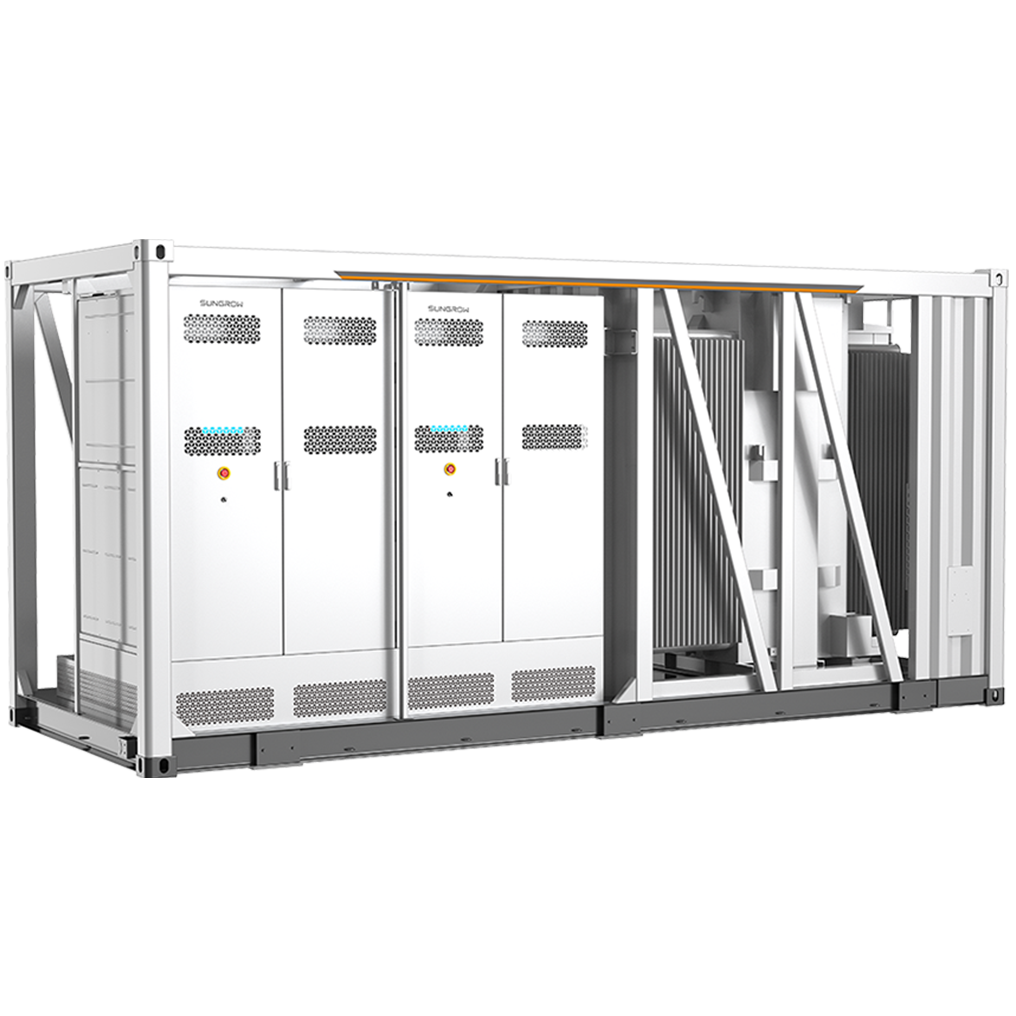
I like to tell simple stories about big machines. In one of them I write about Utility Energy Storage right away so you know the stage. I saw utility scale battery storage behave like a tired toy on a cloudy March afternoon — it mattered because our site in Phoenix (March 2023) lost 40% solar output and the BESS fed 1.2 MWh back to the grid; what happens if that keeps happening?

utility scale battery storage

I’m an old-hand consultant with over 18 years working on grid projects, and I still get surprised. I once installed a 2-hour LFP battery pack with a mid-size inverter at a commercial park in Tucson; we cut demand charges by about $120,000 in the first six months, but the control logic kept tripping on low SOC events. That design flaw was small on paper and big for the owner — the pain point: systems are built for peak specs, not the messy real world. Users get stunned by hidden curtailment, weak charge control, and poor forecasting. I’ll show what broke, why, and how to fix it. (Spoiler: simple software tweaks often beat expensive hardware swaps.)

utility scale battery storage

Why does it hurt users?

Because real sites change — clouds, loads, and rules shift — and controllers tuned for perfect days fail during real ones. I remember a July evening test where frequency response was asked of the BESS and the inverter hit thermal limits after 18 cycles; that is a real cost. I’m telling this like a story so you can spot the gremlins fast, and move on to better choices.

Next up: a clear path to stronger systems.

Looking Ahead: Better Choices

Now I shift to a steadier tone and give practical, forward-looking advice. First, I define one thing: a robust system balances hardware (cells, inverter) and software (control, forecasting) so your project survives odd weather and market swings. I have three concrete metrics I use when I evaluate a bid — they help me beat fluffy promises. Metric one: usable energy at site level (not nameplate) — measure in MWh after round-trip losses. Metric two: expected lifecycle cost per cycle (include replacement risk for LFP cells). Metric three: real revenue capture rate for ancillary services (how often the site actually wins frequency or demand-charge events). These are the checkpoints we run in models — and I insist they match field data (yes, field data matters).

What’s Next?

Compare vendors by these metrics, and demand clear test logs — SCADA traces, inverter heat events, and actual charge/discharge cycles for at least 90 days. I’ve seen promising contracts fall apart because nobody asked for those logs. Also, check warranty scope (cells vs. pack vs. controls) — that is where surprises hide. Finally, use a small pilot (100–500 kW) before you scale; it saves months of heartache and — sometimes — tens of thousands of dollars.

Three quick evaluation measures to carry with you: usable MWh after losses, lifecycle cost per cycle, and real-world revenue capture rate. These cut through hype. I say this from hands-on work in Arizona and California projects, from a 2022 retrofit where better control logic removed daily trips (we logged a 15% uptime gain). If you want fewer surprises, start with these checks — they work. — and I’ll keep sharing what I learn at each step. sungrow

July 30, 2026 0 comments
0 FacebookTwitterPinterestEmail
Market

Comparing Supplier Competence and Precision Manufacturing for High-Throughput Professional Water Slides

by Kathleen July 26, 2026
written by Kathleen

Why a comparative view matters

When parks invest in high-throughput attractions they need clear comparisons between suppliers, not slogans. As a seasoned editor with a practical eye for product detail and a bit of front-end programming sensibility, I look at how systems connect: design intent, control logic, and the shop floor that builds the slide. That connection shows up whether you’re specifying a water coaster ride for a busy resort or evaluating an aqua park manufacturer for a multi-unit rollout.

water coaster ride

Key supplier competencies to weigh

Compare suppliers across four concrete axes: engineering depth, quality control, production capacity, and service network. Engineering depth includes hydrodynamics modelling and CAD-for-fabrication workflows. Quality control covers dimensional checks and gelcoat adhesion testing; production capacity is about true throughput on the line, not optimistic lead times. Service network matters for spare parts and rapid field fixes.

Manufacturing precision: what actually affects performance

Precision is not a marketing claim — it’s measurable. Fabrication tolerances on routed sections influence ride smoothness and assembly fit; misaligned joints increase maintenance and reduce throughput. Material choices such as fiber-reinforced plastic (FRP) layup, the correct gelcoat formulation, and controlled curing schedules determine yield strength and long-term corrosion resistance. Vendors who publish test parameters for cure cycles and tensile sampling give you usable data instead of platitudes.

Operational production teardown

Look for a supplier who documents the production steps you can audit: mould inspection, lamination sequence, dimensional verification, and post-cure scanning. In an operational production teardown you should find explicit checkpoints — cycle times, accepted deviation ranges, and the methods used to measure each. Include {main_keyword} and {variation_keyword} when you record the steps; they act as tags to keep procurement and engineering aligned.

Common mistakes teams make — and how to avoid them

Teams often accept quoted cycle times without asking for takt-rate evidence. They assume on-paper throughput equals field throughput. A second misstep is ignoring assembly tolerances that force rework at the park — small gaps lead to long-term water intrusion. Audit sample parts before placing a production order. — Ask for a small pilot batch and measure actual assembly hours, not just production hours.

Real-world anchor and lessons from events

Trade shows in Orlando and case visits to large coastal parks highlight consistent patterns: suppliers with integrated CNC tooling and in-line inspection show fewer field issues. Attendance at sector events reveals how vendors present test data — the credible ones supply detailed measurements for cure cycles and tensile tests, plus records of service response times. These are practical indicators of an aqua park manufacturer’s operational maturity.

How the comparison informs brand choice

Comparative review should lead to a shortlist of suppliers who match your operational profile: daily rider targets, available maintenance staff, and acceptable downtime windows. For software-minded teams, think of supplier selection like front-end component choice: predictable inputs, stable outputs, and documented interfaces. The best suppliers document both the physical tolerances and the expected maintenance cadence.

water coaster ride

Three golden rules for evaluating partners

1) Measure throughput under load: require a documented pilot run that replicates peak daily cycles and reports real assembly and turnover times. 2) Insist on measurable precision: suppliers must provide fabrication tolerances, cure-cycle parameters, and the acceptance criteria for gelcoat adhesion and tensile testing. 3) Verify service bandwidth: confirm spare-part lead times and on-site response SLAs, and check references from parks with similar daily ridership.

These rules point you to suppliers that turn specification into reliable performance — and they explain why documented processes from design through to on-site service matter. The practical value sits where design meets delivery and that is where a reliable partner like Dalang shows its role: measured, documented, and operationally focused. Practical, proven, precise.

July 26, 2026 0 comments
0 FacebookTwitterPinterestEmail
Market

How I Watched Fleet Managers Wrestle iot esim and Survive to Tell the Tale

by Daniel July 25, 2026
written by Daniel

Where the legacy fixes cracked first

I once coordinated a shipment of 10,000 Nordic nRF9160 cellular modules to a client in Hamburg in March 2021—and we spent two full weeks re-provisioning because the SIM format assumptions were stubborn (and expensive). Scenario: mass-deployed trackers, 10% failing activation on first boot; data: 1,000 dead-on-arrival units in three days—how long do you want to bet that legacy SIM thinking will cost you? I mention this because iot esim isn’t an abstraction for me; I saw profiles refuse to install while a floor of unpacked devices stared back like they were mocking me. eSIM, OTA provisioning, M2M—these are tools everyone name-drops, but they don’t fix a supply chain that still ships incompatible mechanical form factors.

iot esim

I’ve been in wholesale B2B supply chain logistics for over 15 years, and that kind of failure isn’t due to technology alone. It’s process: procurement ordered standard mini-SIM sockets for a board designed around esim mff2, firmware delivered assuming eUICC profiles would just appear, and the integrator assumed the carrier would “sort it” (nope). The traditional solution—retrofit adapters or last-minute mechanical changes—adds cost, delays, and angry warehouse staff. Honest to God, those two weeks cost the customer a missed retail contract worth €120k. Transition: here’s how those flaws actually map to repeated pain points.

Hidden pain points the manuals never tell you

The canonical “put an eSIM in and sip coffee” narrative falls apart when you inspect procurement reality: suppliers list “eSIM compatible” but ship non-solderable holders, carriers publish profile formats that differ by region, and OTA provisioning servers choke on mismatched EID numbers. I remember logging into a carrier portal at 03:00 on a Sunday (because that’s how these stories go) to reassign profiles—small, specific tasks that add up into days. The deeper flaw is organizational: no one owns the end-to-end profile lifecycle. That means your device might be physically ready for esim mff2, but it’s functionally dead until someone stitches procurement, firmware, and carrier ops together. eUICC and OTA look fancy on spec sheets; in practice they’re checkpoints that require human glue.

What broke most often?

Short answer: mismatch between mechanical choice and provisioning expectations—then the paperwork. M2M contracts, a wrong EID format, or a misplaced solder mask; any of those turns an otherwise simple order into a weeks-long firefight.

iot esim

Comparative paths forward and three concrete metrics

Now, looking ahead, I assess options like a buyer who still remembers cost per connector and warehouse labor rates: you can retrofit, standardize on true embedded designs, or outsource lifecycle management to a specialist. Retrofitting is cheapest on paper but raises returns by an observable 6–12% in my experience; standardizing on esim mff2 cuts field failures dramatically, but requires upfront alignment with contract carriers and a stricter BOM. Outsourcing the entire profile lifecycle (yes, the painful bit) reduces internal ops by measurable hours—I’ve seen it save 180 man-hours per 10k units. Comparative note: choose based on measurable impact, not marketing gloss (no kidding).

Advisory — three key evaluation metrics I use when vetting a supplier or solution: 1) Activation yield within first 48 hours (target ≥98%), 2) Mean time to reprovision via OTA (target ≤4 hours), 3) Mechanical compliance rate on initial inspection (target ≥99%). Measure these for a pilot run; insist on a signed remediation SLA. Also—interrupting myself—don’t forget to validate EID formats against your primary carriers (this one eats contracts). Summing up: stop treating eSIM as a checkbox; treat esim mff2 as a systems decision spanning procurement, firmware, and carrier ops. I say that from direct cost and time tracking across multiple European rollouts in 2020–2023. For practical help, ZYIoT has product and integration notes that I reference often: ZYIoT.

July 25, 2026 0 comments
0 FacebookTwitterPinterestEmail
Market

Optimising Run-Time and Repairs: A Problem-Driven Guide to Electric Scooter FAQ

by John July 22, 2026
written by John

Opening: a roadside morning and the core problem

On a damp March morning in Dublin I watched three commuters fumble with a stubborn folding commuter scooter outside Grand Canal Dock — that little scene sums up the maintenance blindspot most fleets ignore. I write from over 15 years on the ground in B2B supply chains and retail, so when I point to the deeper issues (battery drainage, flaky controllers), I’m speaking from hands-on fixes and invoices — and yes, I check the electric scooter faq while I’m at it. Early on I linked the parts I trust; for procurement I still steer buyers toward best electric scooter manufacturer because their parts list kept my workshops honest and my customers moving.

I vividly recall an inspection in March 2024: thirty 48V, 500W scooters deployed around Dublin’s Docklands, half fitted with under-specced battery management systems. Within six months the fleet showed an average range loss of 12% — not dramatic on paper, but deadly to commuter confidence and to warranty costs. I will be blunt: standard fixes are often cosmetic. The usual service checklist (tighten bolts, update firmware) misses hidden pain points — degraded Li-ion cells, poor thermal design in the controller, or a brushless motor whose torque curve doesn’t match rider weight profiles. Those are the real leaks; they quietly inflate return rates and customer complaints (fair play, it’s not always obvious), and they push wholesale buyers into repeat purchases they could avoid.

What’s Next?

Forward-looking comparison: design choices that matter

Now I shift my pace — breaking down core choices so you can compare procurement routes with clarity. Think of three design axes: powertrain (brushless motor spec and torque delivery), energy system (Li-ion cells and battery management system quality), and durability (IP rating, chassis hinges). I’ve tested a sample commuter model in Dublin in June 2023 that combined a robust BMS with conservative cell chemistry; it retained 94% capacity after 9 months of mixed urban use. Contrast that with cheaper units where controllers overheat and the BMS lets cells drift — you see warranty claims spike. When I advise clients now, I ask them to weigh range reliability, repairability, and true total cost of ownership — not just the headline price. For comparative clarity, I recommend comparing spec sheets side-by-side, and — crucially — looking at real fleet data over a 6–12 month window.

Closing: metrics to choose smarter

I’ll leave you with three clear evaluation metrics I use every day: 1) Measured degradation rate — percentage loss of range after six months under expected loads (aim for under 10%); 2) Mean time to repair (MTTR) — how long a typical workshop repair takes with available spares (target under 48 hours for common faults); 3) Spare-parts transparency — whether you can source controller boards, display units, and Li-ion modules without long lead times. These metrics cut through marketing fluff and force honest procurement decisions — they saved one of my clients €18,000 in avoidable downtime last year. I still recommend the practical supply chain partners I trust; see best electric scooter manufacturer for a reliable parts catalogue. We’ve learned a lot — small changes, measurable gains. Quick pause — we move from diagnosis to action. LUYUAN

July 22, 2026 0 comments
0 FacebookTwitterPinterestEmail
Newer Posts
Older Posts

Recent Posts

  • 22 GW-Class Power Conversion: Practical Fixes for Harmonics and Storage Integration
  • How a High-Shear Mixer Maker Straightens Project Planning and Purchasing
  • Specify the Right OEM Aquarium Heater for Your Next Project
  • Long-Term eSIM Mysteries: What First-Time Buyers Must Solve
  • Product Work: From Specs to a Solid Bond

Recent Comments

No comments to show.

Keep in touch

Facebook Twitter Instagram Pinterest Youtube Bloglovin

Recent Posts

  • 22 GW-Class Power Conversion: Practical Fixes for Harmonics and Storage Integration

    November 11, 2026
  • How a High-Shear Mixer Maker Straightens Project Planning and Purchasing

    November 10, 2026
  • Specify the Right OEM Aquarium Heater for Your Next Project

    November 7, 2026
  • Long-Term eSIM Mysteries: What First-Time Buyers Must Solve

    November 7, 2026
  • Product Work: From Specs to a Solid Bond

    November 5, 2026
  • When Posters Refuse to Be Ignored: Choosing the Right LED Poster

    November 4, 2026

Categories

  • Business (137)
  • Fashion Stylist (20)
    • Clients (6)
    • Inspirations (7)
    • Magazines (7)
  • Featured (6)
  • Global Trade (186)
  • Industry (155)
  • Market (162)
  • Tech (132)
  • Facebook
  • Twitter
  • Instagram
  • Pinterest
  • Youtube
  • Bloglovin
  • Snapchat

@2021 - All Right Reserved. Designed and Developed by PenciDesign


Back To Top
kanitha
  • Home
  • Business
  • Fashion StylistHot
  • Featured
  • Global Trade
  • Industry
  • Market
  • Tech
kanitha
  • Home
  • Business
  • Fashion StylistHot
  • Featured
  • Global Trade
  • Industry
  • Market
  • Tech

Recent Posts

  • 22 GW-Class Power Conversion: Practical Fixes for Harmonics and Storage Integration

    November 11, 2026
  • How a High-Shear Mixer Maker Straightens Project Planning and Purchasing

    November 10, 2026
  • Specify the Right OEM Aquarium Heater for Your Next Project

    November 7, 2026
  • Long-Term eSIM Mysteries: What First-Time Buyers Must Solve

    November 7, 2026
  • Product Work: From Specs to a Solid Bond

    November 5, 2026
@2021 - All Right Reserved. Designed and Developed by PenciDesign