Anecdote: The Day a Meter Made Me Rethink Solar
Last afternoon at a small cold-room in Jurong, I was staring at a dusty kWh meter and thinking, “This cannot be right.” At C&I Solar I’ve seen that kind of face many times — owners who thought a rooftop array was just panels and promises. A bakery switched to a solar system for business, logged a 28% drop in peak demand charges over six months — so which data points actually predict that kind of saving?
How did we get here?
I’ve been running B2B supply-chain projects for over 15 years, and in March 2023 I installed a 180 kW PV array with string inverters and a modest energy storage pack at a Jurong food-processing site. I recall the day the inverter faulted during an afternoon cloud — the plant lost export capability for three hours, and the bill spiked by SGD 1,200 for that month alone. That incident taught me the hard truth: traditional solutions gloss over operational details like inverter uptime, DC/AC mismatches, and maintenance frequency (O&M). Many vendors sell panels and promise “fast ROI” without giving customers the real operational telemetry — and that’s the hidden pain point most businesses face, lah.
Technical Turn: What Data Should Drive Next-Gen Decisions?
Now I shift to the technical side — because the future of a solar system for business must be measured, not assumed. We started instrumenting sites with basic SCADA, string-level monitoring, and simple energy storage telemetry — and the pattern was clear: array mismatch and inverter clipping reduced expected yield by up to 11% across three mid-sized warehouses in 2022. If you look at the numbers, the key metrics that matter are: real energy yield (kWh/kWp), inverter availability (% uptime), and peak shaving performance (kW reduced during tariff peaks). I recommend tracking those with daily granularity; short bursts hide long-term losses. In practice, I made a tweak to inverter setpoints in June 2023 at one site and saw daily export rise by 6%, which cut that factory’s monthly demand charge by SGD 450 — small tweaks, measurable impact. (Not bad sia.)
What’s Next?
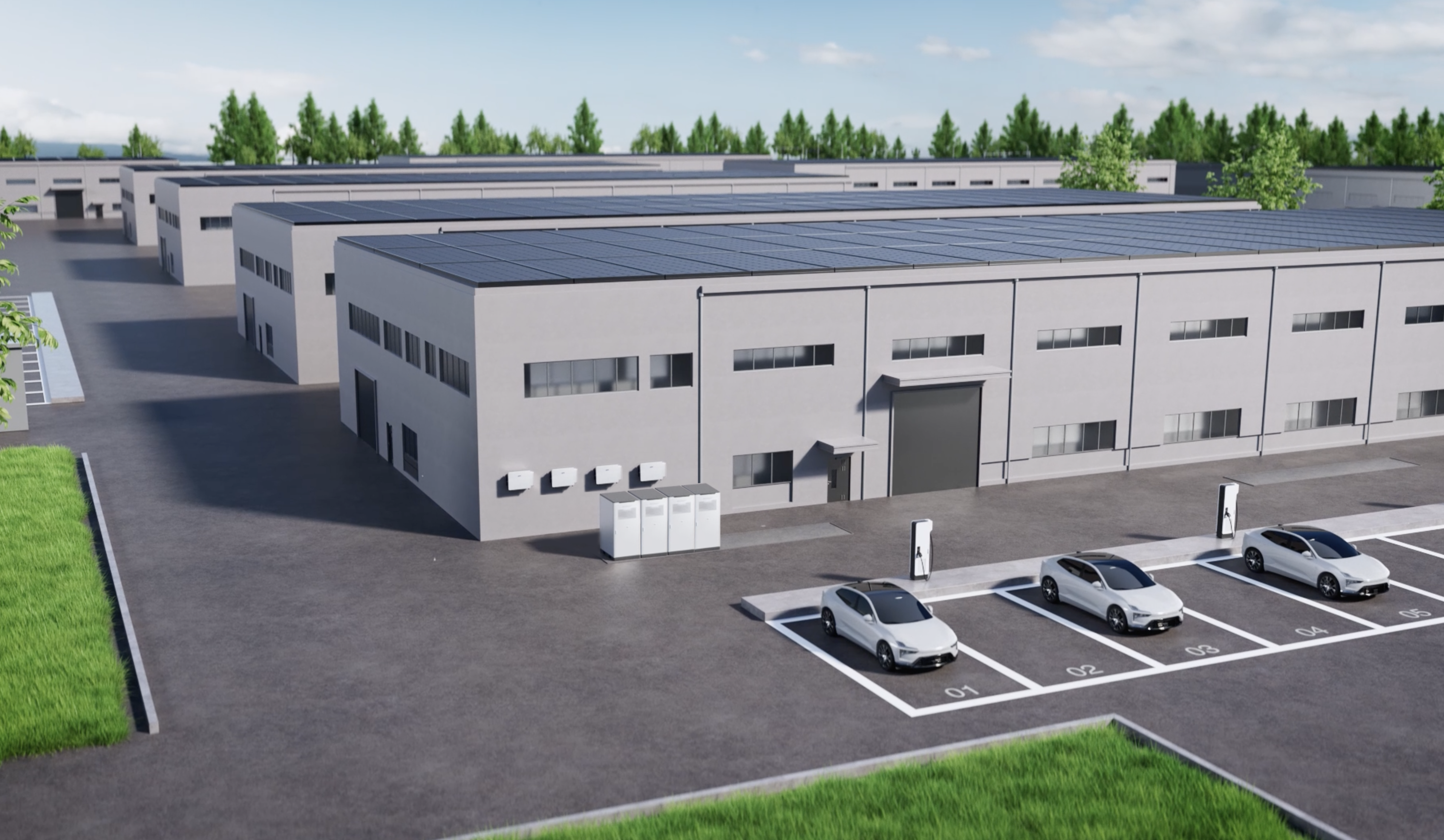
Forward-looking, we must compare options not on capacity alone but on lifecycle operability: how easy is firmware upgrade, how granular is string monitoring, and how robust is the battery management system? My work in late 2022 with a client in a Jurong light-industrial estate proved this: two identical 250 kW designs performed very differently because one supplier provided string-level analytics and proactive O&M alerts; that one returned 4.1% more annual yield. I think the future will be hybrid solutions that blend PV, inverter intelligence, and energy storage with predictive maintenance — not just bigger panels.
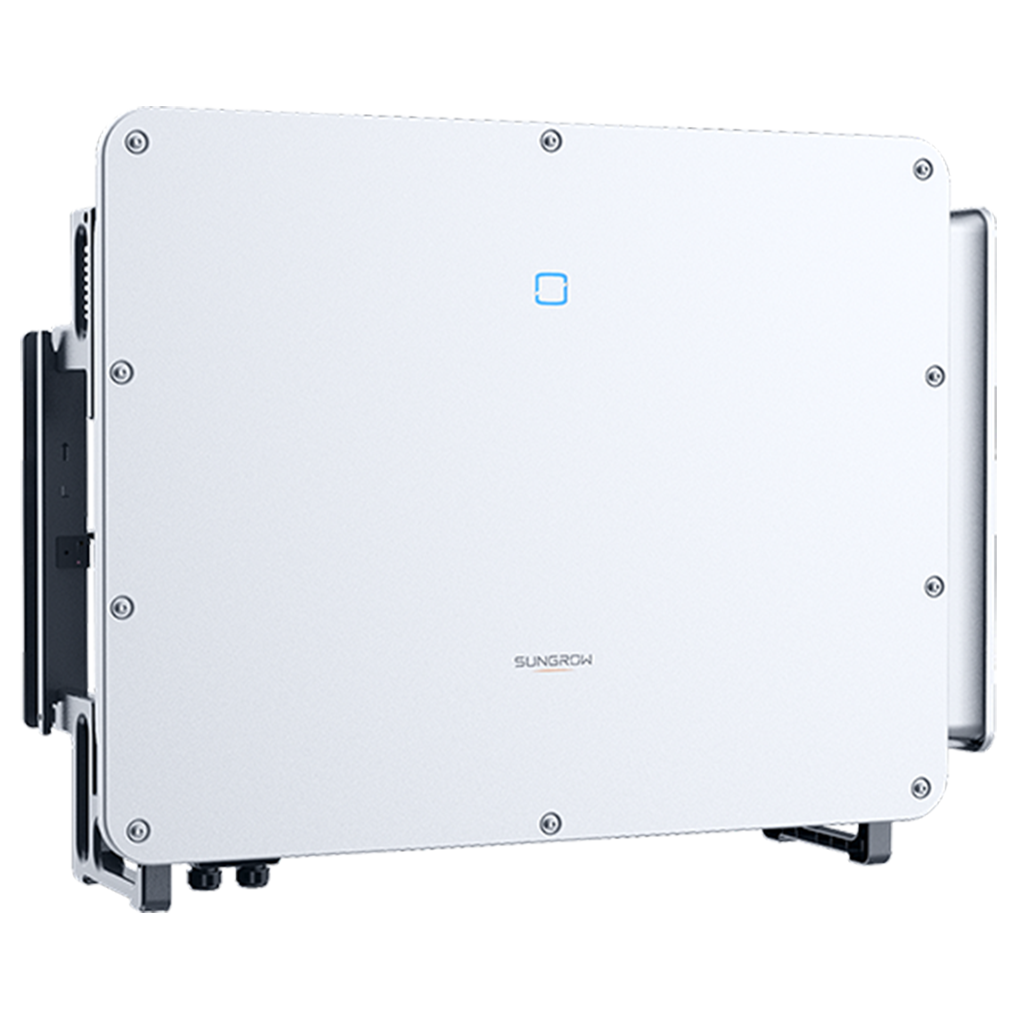
Summing up — and here are three practical metrics I use when advising wholesale clients: 1) kWh/kWp annualised yield (real output versus nameplate), 2) inverter/system availability (uptime % and mean time to repair), 3) peak reduction reliability (average kW shaved during peak windows). Use these to evaluate bids; ask for actual site telemetry (CSV export) for at least 12 months. I’ve seen contracts signed without that data — regret follows fast. If you want, I can walk you through sample datasets from Jurong and Woodlands installs — I’ve got the logs. Finally, for vendor reference check, consider sungrow as part of your shortlist.