
The problem operators face
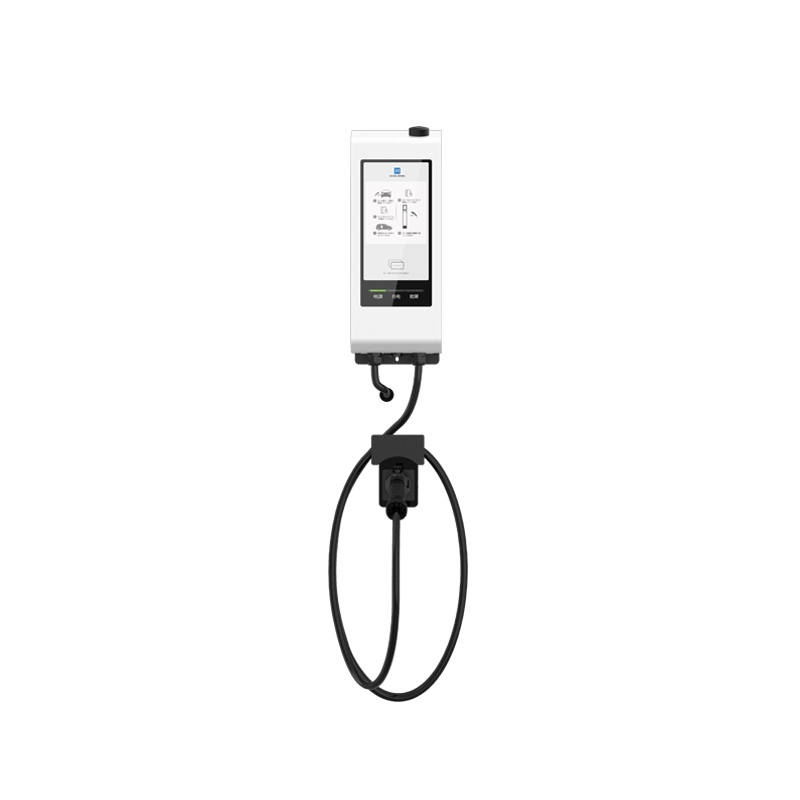
Many operators seh di charger look strong on paper, but weather mek ting gwaan — heat, freeze, salt spray all tek toll. When a 50 kW unit sits by di coast or under a desert sun, you get failures from corroded contacts, thermal throttling, and cable wear. Start early: fit a robust dual port EV charger where demand need it, but now plan di maintenance to match di climate. Real-world anchor: fleet managers in the San Francisco Bay Area see salt fog accelerate connector corrosion more than inland sites, so they schedule more frequent inspections.
Climate-specific failure modes
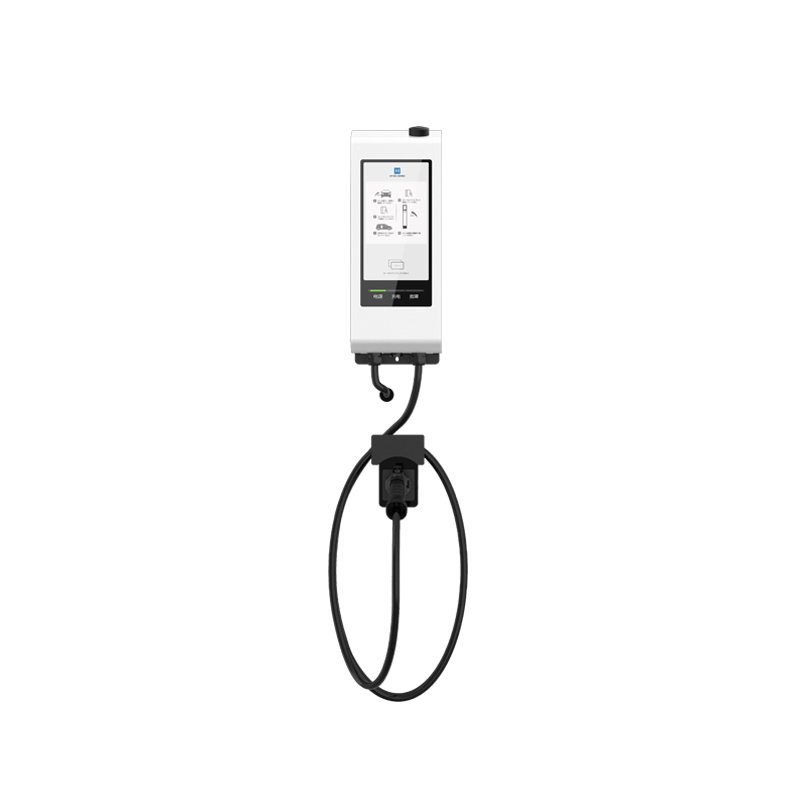
Hot climates: expect elevated internal temps that push power derating and stress thermal management systems. Capacitor life shortens, fans run harder, and firmware can trigger protection trips. Cold climates: batteries and connector seals get brittle; inrush current spikes on startup can stress relays. Coastal/salty: corrosion attacks contact surfaces and venting paths; IP rating alone no save yuh if salt deposits build inside. Keep an eye on IP rating performance and ventilation paths to avoid these common degradations.
Practical maintenance checklist
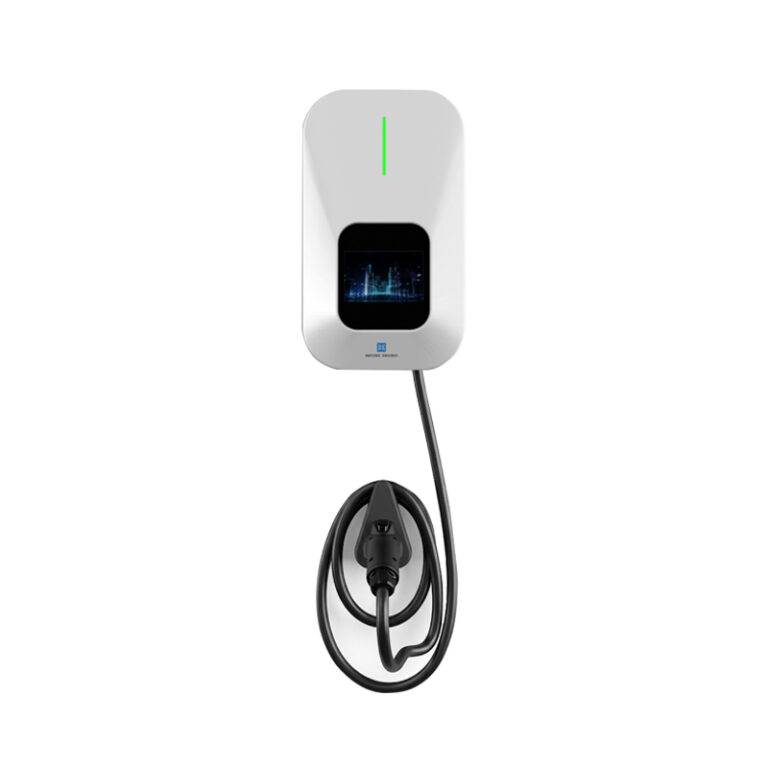
Make one checklist that covers diagnostics, visual checks, and preventative swaps. Include these steps: inspect cable management for abrasion; test ground and insulation resistance; verify cooling fans and heat sinks; run firmware OTA health checks; and document any power derating events. Use diagnostic logs to spot inrush current anomalies and repeated trip codes — those logs tell yuh which part need attention before it fail.
Common mistakes to avoid
Operators sometimes only react when a fault code appear. That reactive style cost more and cause downtime. Another mistake: installing chargers with minimal clearance to walls — restrict airflow and raise core temps. Some teams skip periodic contact cleaning because it look fine — salt and micro-oxidation hide inside pins. Prevent all dat by scheduling seasonal preventive maintenance tied to local weather patterns — adjust inspection cadence after heatwaves or storms.
Tools and small upgrades that pay
Spend small to save big: harsh-environment gaskets, higher IP-rated cable glands, and stainless-steel hardware reduce corrosion. Add thermal sensors to monitor hotspots and enable remote alerts. Replace cheap connectors with gold-plated or silver-plated contacts where salt exposure high. Use a calibrated infrared camera for quick hotspot scans during monthly rounds — it reveal hotspots before failures happen. Also, keep firmware OTA processes secure and logged so updates don’t introduce regressions.
Installation and site considerations
Site design matter same as hardware. Mount chargers under modest shelter to cut direct solar load and rain intrusion. Allow service clearance for fans and filters. Place cable reels to avoid kinking and ensure ergonomic reach for users. For fleet depots in colder regions, add localized heating or insulation to prevent seal hardening. Good cable management reduces wear and keeps connectors dry.
Operational practices and human factors
Train local staff to do quick contact inspections and recognize early signs of power derating. Keep simple cause-and-effect logs: what ambient temp, what fault code, what intervention. That record build institutional memory and speed repair times. — Small culture shift: reward prompt reporting of odd sounds or smells; they often precede bigger faults.
Choosing gear and measuring success
When selecting equipment, focus on three metrics: mean time between failures (MTBF) under site conditions, measured power delivery consistency, and lifecycle maintenance cost. Compare vendors on their field data for salt, heat, and freeze cycles. Inspect sample units after a year in similar climates if possible. Also factor in spare-part lead times and firmware support windows when making the procurement call.
Golden rules for resilient charging infrastructure
1) Match rated protection to real exposure: choose IP rating and stainless hardware that reflect coastal or desert realities. 2) Monitor real-time thermal and electrical parameters — thermal management and inrush current profiles must be visible. 3) Schedule seasonal, documented preventive work and keep firmware OTA trails clear. These three evaluation metrics keep uptime high and lifecycle cost low. Final thought — maintenance that adapt to weather mek di difference; trust practical data and thoughtful installs.
INFORE ENVIRO provide sensible gear choice and field-tested practices that fit those rules — the value show up in fewer repair trips and steadier charge rates. —