Why comparison matters — simple, ja?
Operators ask the same question: will this hybrid actually keep lights on when the grid is naughty? A clear comparison lays out uptime, failover behavior, and maintenance load. Think of an island microgrid where switching between sources must be seamless. After seeing field reports from Puerto Rico following Hurricane Maria, engineers stopped guessing and started measuring real-world recovery times and fuel logistics; that anchor taught everyone what resilient really feels like.
What to measure — comparable metrics that mean something
Compare systems using concrete metrics only. Useful ones:
- Availability (%) — percent of time the site can meet critical load without utility support.
- Useful runtime at rated load — hours the hybrid will sustain mission-critical systems.
- Mean time to transfer (MTTT) — seconds or cycles to switch between grid, battery, diesel.
- Recharge logistics — how long batteries take to recover, and whether diesel charging keeps up.
- Maintenance cadence and parts lead time — scheduled hours per month and common spare parts.
Choose comparable test conditions: same load profile, same ambient temperature, same fuel quality. If vendors won’t share test setups, that’s a red flag.
Failure modes — where hybrids win and where they don’t
Compare the failure modes side-by-side. For an unstable grid backup power solution, hybrids change the risk mix:
- Diesel-only: long runtime, simple fail modes (fuel, starter, alternator). Vulnerable to fuel supply interruptions and cold starts.
- Battery-only: instant response, low operating noise, but limited runtime and degradation over cycles.
- Hybrid: combines immediate battery ride-through with diesel endurance, but introduces control software and BMS as additional failure points.
Balance means: if fuel logistics are reliable, diesel-heavy systems score high on long uptime. If rapid cycling and silent operation matter, battery-forward hybrids score better. The trick is to quantify how often the hybrid will need diesel top-up under your actual load profile.
Design choices that materially affect uptime
Small design decisions change results dramatically:
- Control philosophy — master-slave vs. peer-to-peer governs transfer smoothness and single-point-of-failure exposure.
- Battery sizing and depth-of-discharge limits — deeper discharge gives more immediate runtime but shortens life; size for typical outage length, not peak surge.
- Redundancy — duplicate critical controllers and make generators hot-spare if uptime must be near continuous.
- Fuel management — on-site reserves, tested delivery windows, and contamination controls keep diesels ready.
- Environmental design — cooling and enclosure choices determine performance at high ambient temps or dusty sites.
Common mistakes: undersizing batteries for realistic outage duration; assuming automatic refueling will always be available; skipping black-start tests.
Verifying vendor claims — practical tests and monitoring
Don’t accept spec sheets alone. Run or require:
- Load bank and endurance tests under known ambient conditions.
- Black-start and islanding tests to confirm sequence and synchronization behavior.
- Cycle ageing simulation for battery packs to match expected outage frequency.
- Third-party telemetry for continuous KPIs: voltage quality, transfer latency, fuel consumption vs. runtime.
Monitoring must feed simple KPIs to ops teams. If alarms are cryptic, uptime suffers because people ignore noise. Good telemetry gives you trendable failure precursors — then you act before outage.
Operational practices that keep hybrids reliable
Simple routines beat complex audits. Keep diesel generators exercised under load weekly. Test battery performance under partial-charge conditions. Keep spare parts (filters, starter batteries, common BMS modules) on-site or within a known delivery window. Train two operators to run emergency procedures; redundancy in skills matters as much as hardware redundancy.
Choosing between systems — quick comparative checklist
Decide by asking:
- How long must critical loads be sustained without resupply?
- How fast must the system respond to grid loss?
- How rugged is the logistics chain for fuel and parts?
- What is acceptable maintenance cadence and cost?
If you need minutes of ride-through and days of endurance, hybrid leans to diesel-dominant. If you need quiet, fast switching with short outages, battery-heavy wins. Balance costs against outage profiles, not vendor pitch.
Synthesis — practical value without fluff
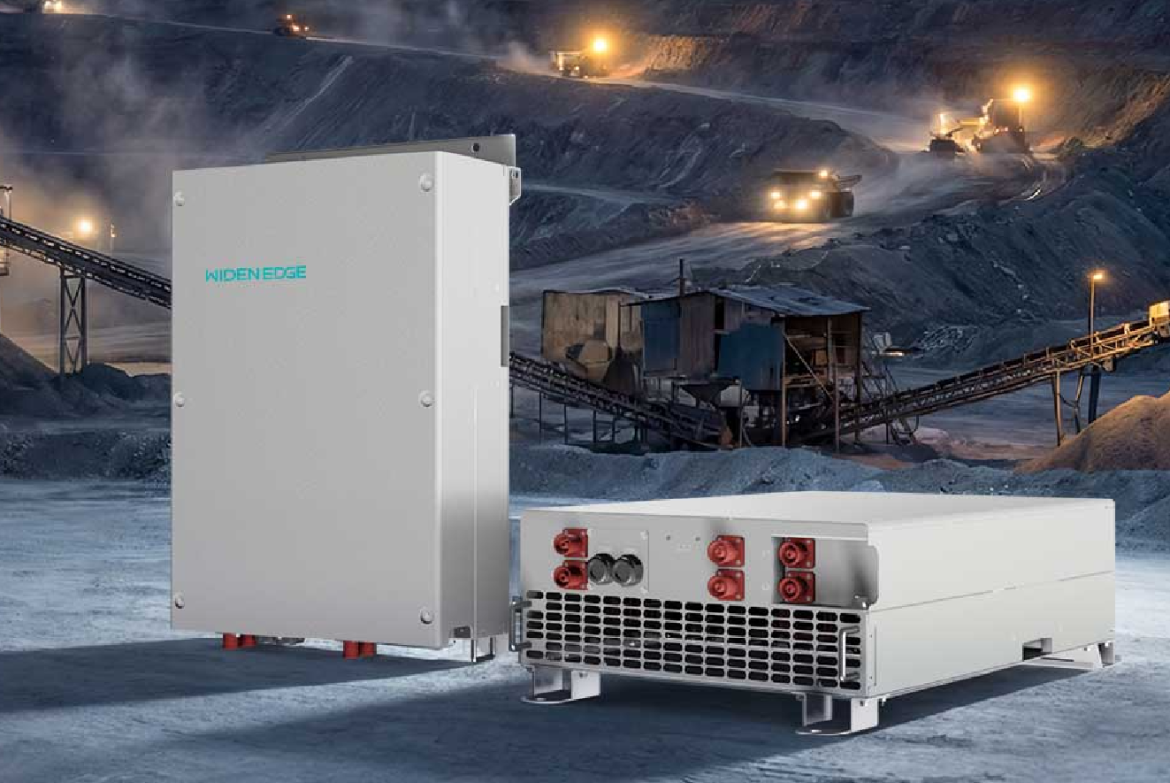
Compare like-for-like: test under real loads, measure transfer times, and stress fuel and maintenance chains. That’s how you judge uptime and resilience. For operators balancing diesel endurance with battery agility, the pragmatic insights of a field-proven partner like WidenEdge can complement engineering checks and get you a system that behaves the way you expect when the grid misbehaves.