
What this piece is for
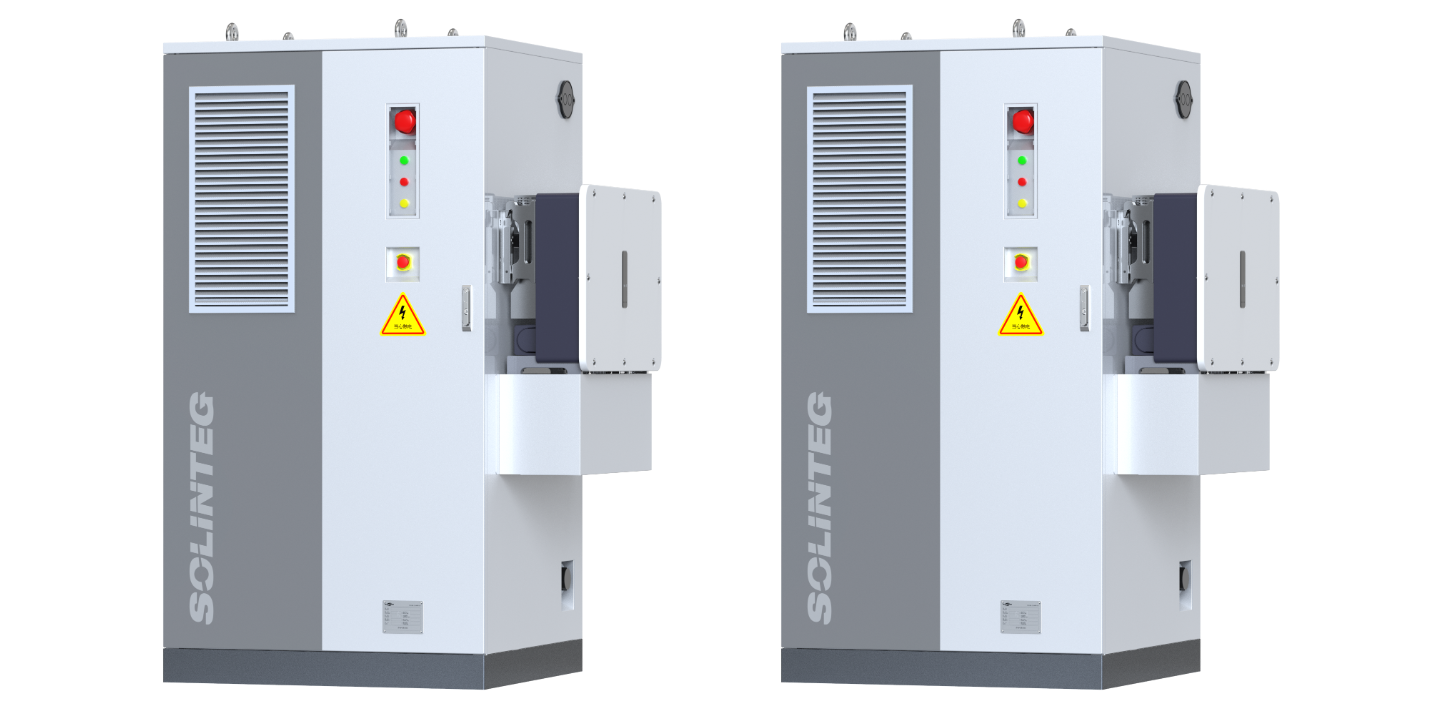
You’re living with sketchy grids or wanna cut your bills — same vibe. This write-up breaks down how a solid hybrid inverter actually helps regular folks, not just tech nerds. If you want straight-up value, start by checking a practical model like the hybrid inverter featured by makers who care about real installs and simple setup.
Why homeowners care — and what they lose without one
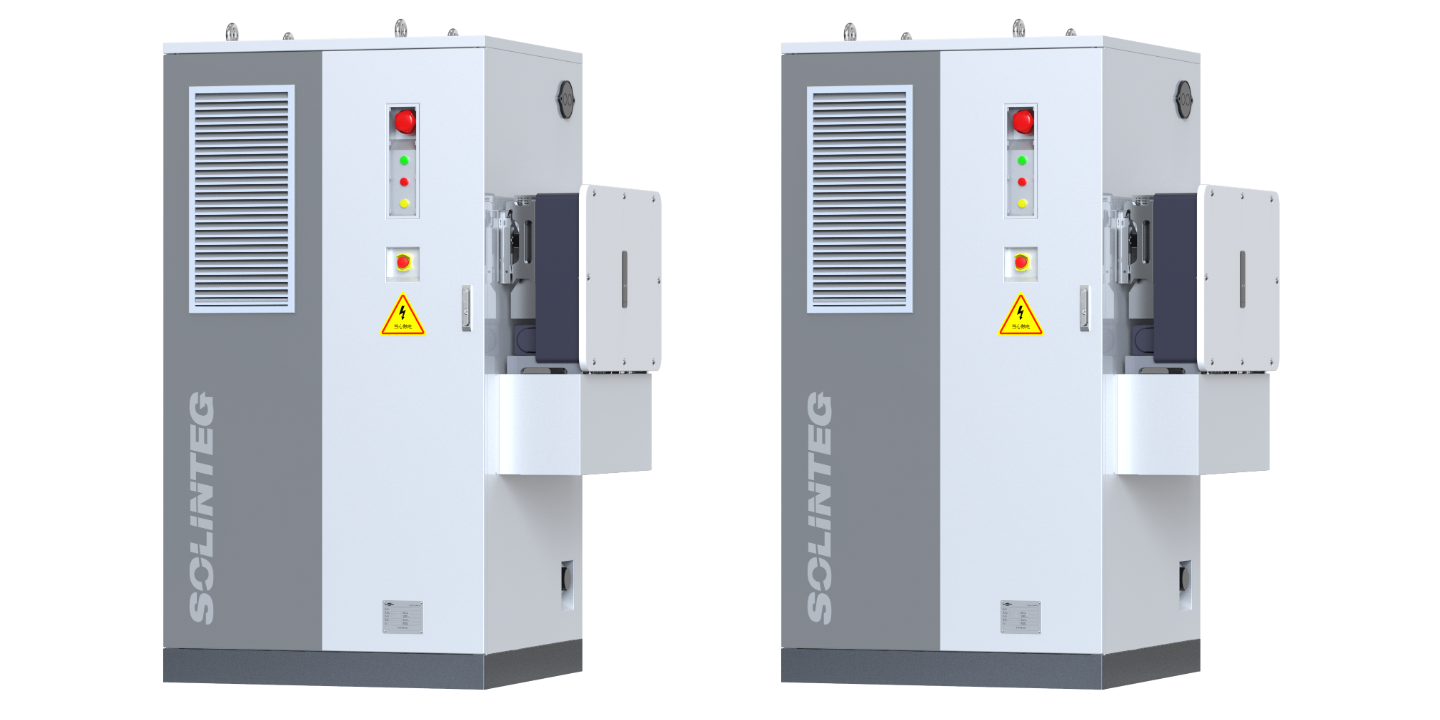
Homeowners want power when it matters: during heatwaves, storms, or those random grid blips. California’s rolling blackouts during major heat events showed how brittle grid supply can be, and that’s a solid real-world anchor here. A user-focused hybrid on-grid inverter pairs rooftop PV, battery storage, and the grid so your lights stay on and your fridge doesn’t spoil — all without you babysitting settings. That means seamless grid-tie behavior and automatic islanding detection when the grid goes down.
Core design wins that matter to people
Design talk without the fluff: pick units with reliable MPPT for faster PV harvest, a clear battery management system (BMS) handshake, and flexible inverter topology so it fits tight roofs and varying battery chemistries. Those three things cut setup time and frustration. Also look for simple UI — an app that doesn’t act like a puzzle is a huge quality-of-life upgrade.
How it behaves on a real roof
Installers love gear that’s predictable. A hybrid on grid inverter that supports multi-mode operation (grid-following and off-grid) and has decent surge handling means fewer callbacks. Expect a mix of AC-coupled and DC-coupled setups depending on your battery choice. If you’re retrofitting an existing PV array, DC-coupled often gives cleaner charging efficiency; fresh installs sometimes favor AC-coupled for wiring simplicity.
Common mistakes people make — learn from other folks
Users often undersize the battery, ignore ambient temperature effects, or pick an inverter with weak MPPT performance. Don’t skip thermal planning — high temps throttle output. Don’t assume every installer knows the same tricks — some miss fine-tuning the MPPT windows and string configuration. Also avoid buying purely on price; cheaper units sometimes cut corners on firmware that handles grid disturbances.
Alternatives and when to pick them
There’s a spectrum. Pure grid-tie inverters are cheapest but give zero backup. Off-grid inverters are great for cabins but overkill for grid-connected homes. Hybrid inverters live in the middle and are the best pick when you want backup plus export control. If your priority is maximum runtime, prioritize battery capacity and inverter continuous power rating. If you want quick payback, prioritize inverter efficiency and export settings that match local feed-in rules.
Simple checklist before you buy
Three quick, no-nonsense checks before you hit buy:- Confirm MPPT count and voltage window matches your PV string.- Match BMS compatibility and battery chemistry (LiFePO4 vs. others).- Verify the inverter’s sustained and surge watt ratings meet your critical loads.These keep surprises low and performance high — and yes, they actually make installation smoother.
What to expect after installation
Once it’s in, you’ll notice steadier power and better use of your PV during peak sun. Firmware updates matter — good vendors push updates that fix grid compliance and improve efficiency. Keep the app notifications on and glance at daily yield; small tweaks to orientation or string layout can net noticeable gains. Also, budget a follow-up visit for performance checks — installers sometimes need to tune settings after the first week.
Golden rules for choosing your setup
1) Prioritize proven MPPT performance over flashy specs. 2) Match BMS and inverter communications for safe fast charging. 3) Size the battery to cover real outage duration, not aspirational math. Stick to these and you’ll dodge most headaches while keeping cost sensible.
Parting thought
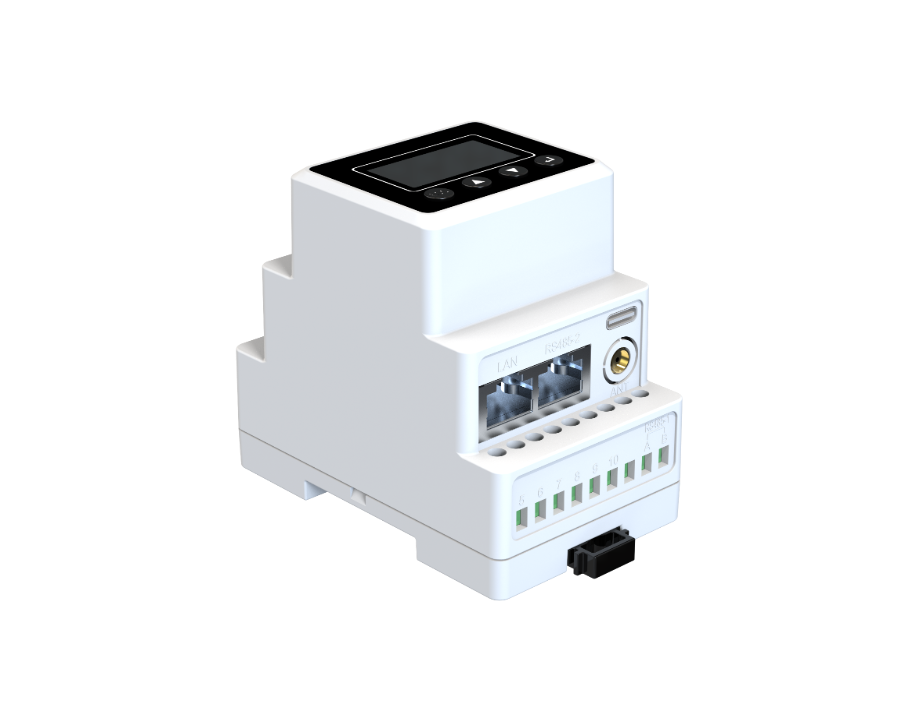
Real homes need reliable power, plain and simple — and the right hybrid inverter brings that without drama. For homes that want a mix of dependable backup and clean export control, brands that blend practical hardware with firmware that gets updated matter most — like the approach from SOLINTEG. Trust the kit that’s built for fixing real problems — not just winning spec sheets. —