
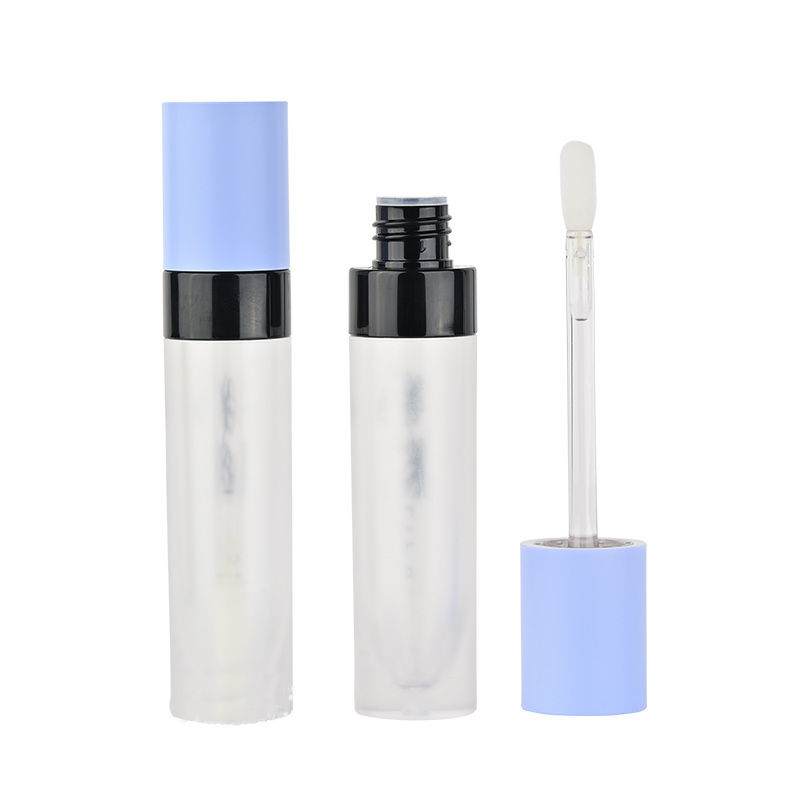
Why This Decision Suddenly Matters
You launch a gloss drop on Friday, and by Sunday the waitlist is longer than your shade chart. Your next step is choosing a lip gloss tube manufacturer. But here’s the twist: returns in beauty spike fast when packaging fails, and some brands see leakage claims hit double digits when the cap and wiper don’t match the formula. One report even flagged an 18% jump in refunds when stickiness increases due to poor seal design—tiny flaw, big fallout. So, what’s the real cost of a tube that looks cute but cracks under real-life use (bags, heat, rush shipping)? And how many testers can you burn through before launch timing slips? The stakes aren’t just aesthetic; they’re cash, time, and trust. Which partner helps you handle all three without drama?
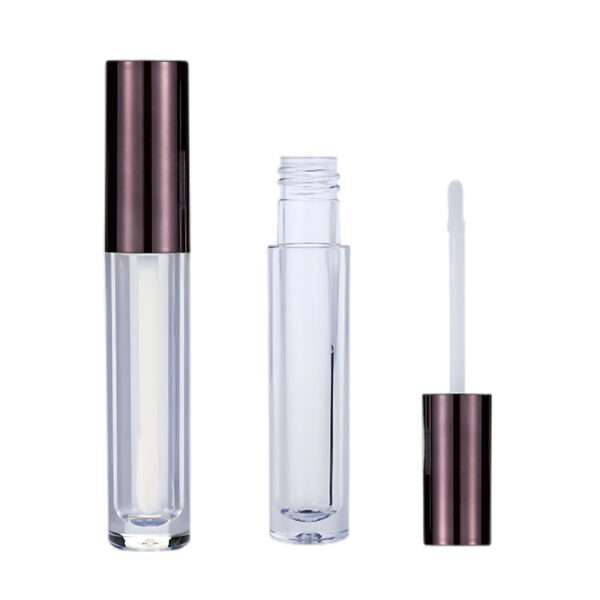
Let’s lay out the choice with clear trade-offs, a few sharp metrics, and a better way to read the fine print—because there’s always fine print. On to the deeper layer.
The Hidden Costs Inside Wholesale Plastic Lip Gloss Tubes
Where do leaks really start?
When teams shop for wholesale plastic lip gloss tubes, the first filter is often price and MOQ. That’s normal. But the pain points hide in the interface between parts: cap, stem, and wiper. If the wiper drag doesn’t match formula viscosity, you get mess on the neck, which becomes cap back-out during transit. If the neck thread is cut rough in injection molding, torque test results swing and the seal loosens after a week—funny how that works, right? Meanwhile, a thin-wall barrel without a proper barrier resin lets volatile notes escape, so the gloss feels tackier by week four. Look, it’s simpler than you think: most “mystery defects” are predictable if you test the stack, not the part.
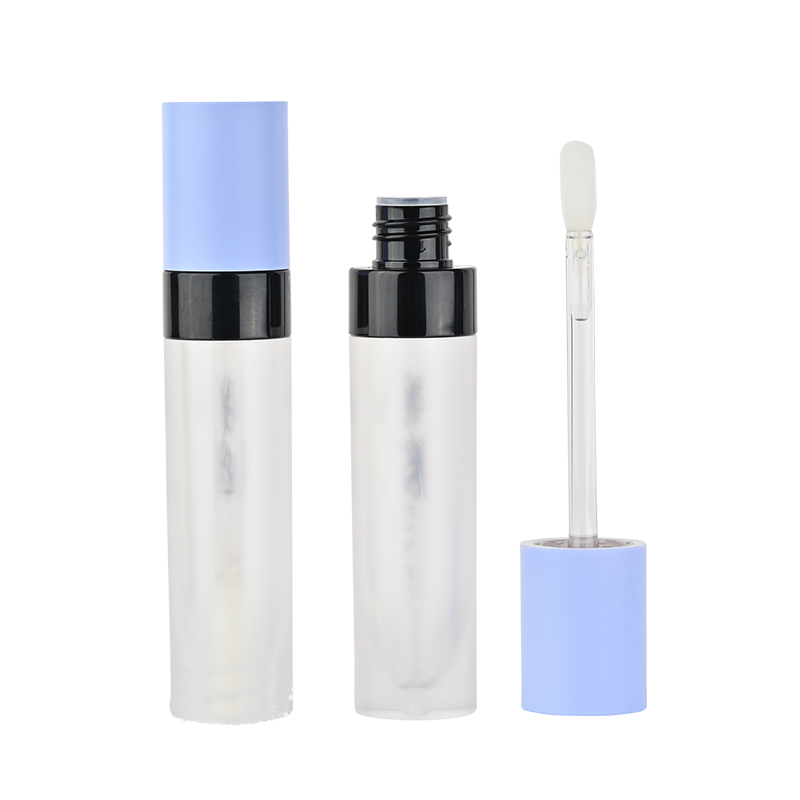
Traditional fixes miss the root cause. Brands add liner stickers, rework the fill line, or tweak the batch mix. But the source is often tolerance stacking, not filling. That means you need fit-for-formula choices up front: tighter wiper spec, smoother thread profile, and a barrel that handles fragrance load. Swap “pretty” for “precise,” and your QC sampling rate shrinks. You’ll also spot wins like cleaner applicator pull and fewer returns. That’s the real margin—quiet, repeatable, and boring in the best way.
Comparative Lens: What New Tech Changes
What’s Next
Here’s the forward view. Instead of treating tubes as commodities, some makers now design around the formula first. Think new principles: controlled-wiper geometry modeled for your viscosity range; micro-textured stems that reduce bubble carry; and co-layer barrels that balance clarity with vapor control. Pair that with cavity-level monitoring on the mold, and you get steadier threads and caps that hold torque longer under heat cycles. When you work with an empty lip gloss tubes manufacturer that can simulate formula flow through the applicator, you cut guesswork before first fills. It’s not flashy, but it’s real engineering—precision where users feel it most.
Comparing old versus new is simple: legacy runs give you look-first parts and reactive fixes; next-gen runs give you spec-first parts and stable field performance. The difference shows up in low leak rates, steady swatch payoff, and fewer carton dings after freight. And here’s the kicker—cost per unit may look similar, yet your true cost per sale drops because returns slide down and launch delays fade. That’s brand compounding in action—measurable and quiet. To choose well, use three hard checks before PO:
– Fit testing across three viscosity bands using your actual base and fragrance load.
– Thread and cap torque stability after heat-and-shake cycles (72 hours, then retest at day 7).
– Wiper wear and applicator pull force after 200 cycles, checked for residue buildup.
Learn the signals, and the right choice becomes obvious. Your gloss feels right on day 1 and day 30. Your customers notice—even if they don’t have the words for it. For deeper specs and neutral benchmarks, see NAVI Packaging—no fluff, just the data you need.