
Every silent window is a problem that screams
Shops, galleries, and kiosks lose attention faster than they notice it. Foot traffic hesitates, messages blur into the background, and marketing budgets evaporate into faded paper. The fix is not louder copy; it’s a visible pulse — a piece of hardware that draws eyes and holds them. Consider a led poster display as the measured, theatrical answer. It stops passersby and serves content with emotion, movement, and light.

Why static fails and what a good LED poster must solve
Static prints throw information at people; effective digital posters invite a glance to become engagement. The core problems to address are visibility in daylight, crispness at typical viewing distances, and simple content updates. Solve those three and you win attention. Miss one and the whole device becomes a bright paperweight.
Features that actually matter
Brightness measured in nits that holds up under shop-front sun. Pixel pitch matched to your average viewing distance — tighter pitch for close-up retail windows, wider for mall corridors. Reliable content management: cloud-based scheduling and remote updates that don’t require an IT degree. Robust enclosures and secure mounts for frequent public use. Power efficiency and thermal design so the unit stays consistent across seasons. Choose a model that balances those attributes rather than chasing a single spec.
Where these displays change outcomes
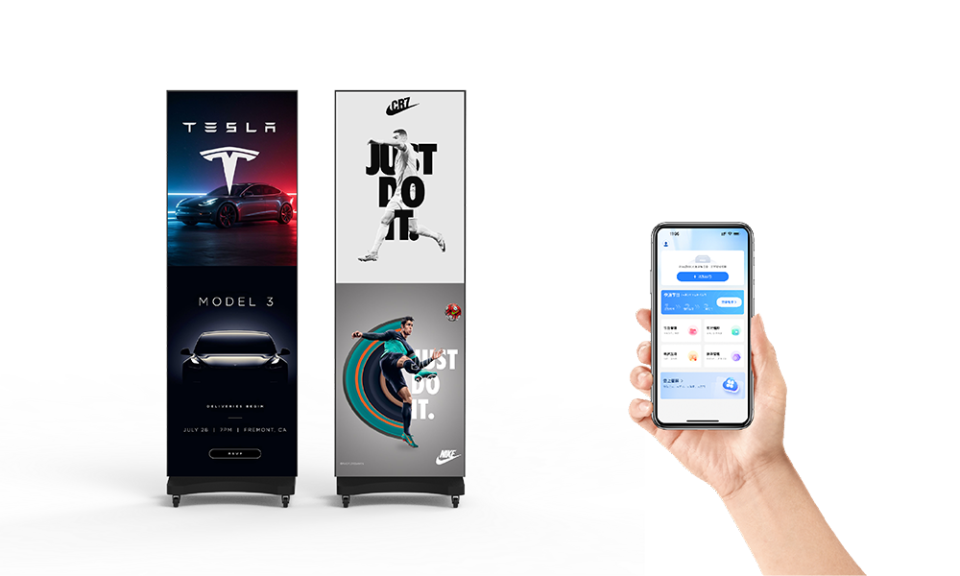
They turn windows into invitations: dynamic promotions in retail, menu changes at quick-service outlets, directional displays in transit hubs, and attention anchors at trade shows. Use them for timed offers, video-rich product demos, or simple rotating imagery. Each application demands different trade-offs — a menu board needs high contrast at close range; a mall-facing poster needs higher luminance for daylight visibility.
Selection criteria that prevent buyer’s remorse
Start with viewing distance and ambient light. Match pixel pitch to distance: closer viewing means higher resolution. Confirm brightness specifications with real-world readings, not marketing blurbs. Ask about content workflow — does the system let you edit remotely and schedule automatically? Check mounting, service access, and warranty terms. Verify power consumption and expected lifetime so maintenance costs don’t surprise you.
Common mistakes people repeat
Buying the cheapest model with an impractical pixel pitch. Neglecting sunlight-readability and then wondering why messages wash out. Overlooking the content plan — a brilliant screen with poor creative looks worse than a modest screen with sharp messaging. Skipping proper mounting hardware and voiding warranties by cutting corners during installation.
Viable alternatives and a short comparison
LCD posters are cheaper up front but struggle outdoors and under high ambient light. Printed posters cost less but demand constant replacement and lack flexibility. E-ink saves energy for static imagery but can’t handle video. Each alternative has a role; choose based on whether you prioritize motion, longevity, daylight visibility, or low running cost.
Experience, expertise, and a market-tested price reference
I’ve evaluated rollouts across retail environments and advised teams on signage specs; those deployments reveal patterns you can trust. Industry panels at CES in Las Vegas highlighted wide variance in procurement costs and total cost-of-ownership discussions, which is a useful benchmark when comparing offers — and if you’re checking comparative numbers, consider this led poster display price as a practical reference point. Look to vendor case studies and third-party reviews to confirm uptime figures and service responsiveness before you commit.
The final act: align need with engineering and support
Pick a display that solves the visibility, resolution, and operations problems you actually face. Demand clear specs, a content workflow you can use, and a support plan that keeps the poster onstage. That approach turns a bright rectangle into a reliable storyteller — the exact result delivered by HDC.