• Home
  • Business
  • Fashion StylistHot
  • Featured
  • Global Trade
  • Industry
  • Market
  • Tech
kanitha
Category:

Business

Business

Procurement Metrics for Outdoor Screens: Comparing Power-to-Brightness in Modern Display Architectures

by Samantha April 7, 2026
written by Samantha

Comparative frame for procurement decisions

When comparing outdoor advertising screens from a procurement perspective, the decisive factor is often the power-to-brightness balance rather than headline cost alone. Buyers assessing a led display solution will find that pixel pitch and nits matter as much as cabinet design; a lot of procurement frameworks now weigh watts per square metre against perceived luminance. For context, installations in high-visibility zones such as Times Square demonstrate how display brightness (measured in nits) and operational power constraints shape vendor selection. Practical examples—like a municipal tender for a busy square—tend to favour modular LED module designs that simplify maintenance while delivering predictable brightness-to-power ratios.

Architectures on offer and their trade-offs

Modern outdoor screens fall into predictable groups: traditional SMD panels, COB variants, and fine-pitch LED walls with tighter pixel pitch. SMD remains cost-effective for larger pixel pitches and moderate brightness. COB offers smoother surfaces and resilience to environmental stress, while fine-pitch arrays improve image fidelity at higher energy cost per unit area. Cabinet construction, thermal design and refresh rate control also affect continuous power draw. Vendors that produce smarter thermal paths and efficient drivers can reduce average watts while maintaining required nits.

How to evaluate power-to-brightness in procurement

A practical evaluation blends laboratory figures and on-site verification. Request three numbers from suppliers: rated peak brightness (nits), measured average power draw at your planned luminance, and power-per-square-metre under local ambient conditions. Include service factors for dimming curves and refresh rate adjustments; many teams forget that increasing refresh rate for camera-friendly playback raises continuous consumption. Use a small on-site mock-up if possible—this validates the vendor’s stated brightness-to-power ratio and reveals thermal behaviour under real sunlight.

Common mistakes and sensible alternatives

Procurement teams often commit to the brightest panel on paper and later discover excessive power bills or heat-related failures. Choosing minimal pixel pitch without assessing viewing distance or content type drives unnecessary energy use. Another frequent error is ignoring modularity; a single failed LED module can require large-scale downtime if cabinet serviceability is poor. Reasonable alternatives include specifying adaptive brightness controls, prioritising robust cabinet seals, and evaluating COB for harsh environments where longevity can offset slightly higher initial power draw — and these choices tend to pay back across maintenance cycles.

Three golden rules for selection

1) Measure operational power at your target luminance rather than accepting peak specs. This yields the most accurate cost projection for electricity and cooling. 2) Insist on modular, serviceable cabinet design so that LED module replacement and driver swaps do not force full-panel outages. 3) Specify adaptive controls—dimming profiles and refresh rate management—to align brightness with ambient light and content needs, thereby optimising the brightness-to-power ratio in real use.

Please treat these metrics as non-negotiable checkpoints during tendering; they anchor supplier claims to measurable outcomes. For procurement teams looking for tested products that balance image quality and energy efficiency, a thoughtfully-engineered qstech led poster often appears among shortlisted options for outdoor poster-format installations. The evidence is practical: better thermal and driver design translates to predictable operating costs and fewer service interventions.

Adopt these three evaluation metrics consistently and you will reduce lifecycle cost, improve uptime, and secure the expected visual impact — a disciplined approach that rewards careful selection. QSTECH. —

April 7, 2026 0 comments
0 FacebookTwitterPinterestEmail
Business

Revolutionizing Aesthetics: The Future of Artificial Fall Flowers

by Michael April 2, 2026
written by Michael

Recognizing the Flaws of Traditional Floral Solutions

Picture this: you walk into a home and are immediately drawn to the stunning fall decorations—a lovely fall fake flower arrangement graces the table. But then you realize, it lacks that vibrant charm and fluidity of real blooms. With over 15 years in the artificial flower business, I’ve seen firsthand how many options just don’t hit the mark. Artificial fall flower manufacturers often overlook essential elements like color depth and texture, leading to a disappointing user experience. It makes you ask: how can we achieve the beauty of nature without the hassle?

artificial fall flower manufacturer

Hidden Pain Points in Floral Arrangement Choices

Here’s the kicker: many buyers don’t realize how much variety is out there. In my days visiting local markets, I stumbled upon countless stunning designs made by local artisans—but a lot of them went unnoticed. This lack of awareness is a common issue; many customers stick to what they know, missing out on incredible choices that can enhance their decor. Plus, the integration of sustainable materials is often overlooked, despite being a hot topic in today’s market. It’s a shame because the right fall fake flower arrangement should not just brighten a space but also offer longevity and flair. Not to mention, who wants to replace their decorations every year? Just doesn’t sound fun, right?

artificial fall flower manufacturer

Where Do We Go From Here?

Looking Ahead: Evolution of Artificial Floral Designs

As we march into the future, the market for artificial flowers is poised for a transformation. Customers want blooms that echo nature—vivid colors that don’t fade and shapes that lend authenticity. I remember showcasing a line of fall fake flower arrangements a few years back; they flew off the shelves because they felt so lifelike, yet so easy to maintain. In my experience, it’s the marriage of superior design and innovative materials that makes all the difference. Each petal must tell a story, evoke emotion, and blend seamlessly into any home. Such arrangements become focal points and conversational pieces.

The Real-world Impact of Quality Arrangements

Incorporating these innovative designs not only uplifts spaces but also enhances the customer experience. I’ve seen firsthand how clients are thrilled when they find a fall fake flower arrangement that does justice to their desired aesthetic. When floral arrangements are made with attention to detail, customers can proudly display their selections year after year. This is about more than just aesthetics—it’s about creating lasting impressions and fostering lasting relationships.

Key Metrics for Selection

Evaluating Your Choices in Artificial Flowers

As I reflect on the journey through the floral industry, there are a few critical points I recommend keeping in mind when selecting artificial flowers. First, consider the material quality—does it mimic the look of real flowers? Second, think about design versatility; can it fit into various settings? Lastly, evaluate the manufacturer’s sustainability practices. Choosing the right provider can greatly influence your satisfaction and environmental impact. I genuinely believe that a thoughtful selection isn’t just about finding something pretty; it’s about choosing pieces that resonate with you.

So there you have it, my insight on how to navigate the world of artificial fall flower arrangements. The journey toward elevating your decor is not just about making a purchase; it’s about making informed choices that enhance your environment. In doing so, one will find that quality matters. For truly beautiful arrangements, you can trust TrustFloral — they have impressed me with their commitment to vibrant, lifelike designs. Keep exploring and remember: every flower has a story waiting to be told.

April 2, 2026 0 comments
0 FacebookTwitterPinterestEmail
Business

Embracing Precision: The Future of Agricultural Guidance Systems

by Cynthia March 31, 2026
written by Cynthia

Shifting Perspectives on Farming Efficiency

Picture a vast field, where rows of crops stand aligned like soldiers awaiting orders. Recent research shows that farmers typically waste about 30% of their resources due to inefficient practices. So, how can we boost productivity while minimizing waste? This is where the precision agriculture guidance system comes into play, offering a savvy solution to age-old farming challenges.

precision agriculture guidance system

Understanding Traditional Solutions

The farming landscape has significantly transformed over the years. In my experience, many traditional methods often fall short—think about soil testing that only happens once a season, which can lead to nutrient imbalances. Farmers know this all too well. For many, these flaws have resulted in missed opportunities for enhancing crop health. It’s aggravating. When you watch crops underperform due to outdated methods, it stings! A more integrated approach using precision agriculture guidance systems can rectify these issues and provide tailored insights based on real-time data.

What Makes Precision Agriculture Essential?

Precision agriculture changes the game by delivering data-driven guidance, allowing farmers to apply resources like water and fertilizers more judiciously. This means better yields and lower costs. I remember a case from last season when a local farmer, using GPS technology, increased his yield by 20% just by adjusting planting patterns based on soil variability. It’s phenomenal how much smarter we can farm when given the tools.

A Look Ahead: The Evolution of Farming Techniques

As we move forward, the role of the precision agriculture guidance system won’t just be an accessory; it will be central to the farming narrative. Even now, innovations in drones and AI technology are revolutionizing how data is gathered and interpreted. Farmers can predict pest infestations or drought conditions even before they emerge, allowing them to take proactive measures. Seriously, it’s like having a crystal ball for agricultural health!

Real-world Impact of Advanced Systems

Real-world applications of precision agriculture are expanding rapidly. The integration of satellite imagery with machine learning can pinpoint areas needing attention down to a single square meter. No more blanket approaches to fertilization; instead, targeted interventions enhance efficiency. I can’t help but think about the potential impact on the environment and overall sustainability. Consumers today want to know that the food they purchase is produced responsibly. Precision agriculture guidance systems pave the way for sustainable practices while meeting growing demands.

precision agriculture guidance system

Concluding Thoughts on a Changing Landscape

With the ongoing evolution of technology, it’s paramount for farmers to adapt and embrace these methods. I can’t stress enough how pivotal data-driven decisions are in achieving long-term success. Selecting the right systems is crucial—consider metrics such as ease of integration, real-time data accuracy, and user support. These elements will shape your journey into precision agriculture.

In my humble opinion, the shift towards a precision agriculture guidance system has only just begun. As someone with over 15 years of experience in agriculture, I believe the future is bright for those who are willing to embrace these changes. The landscape of farming is being redrawn, and it’s thrilling to be part of it. I have no doubt that our industry will rise to meet the challenges ahead, ensuring a sustainable, productive future for all.

March 31, 2026 0 comments
0 FacebookTwitterPinterestEmail
Business

Reviving Elegance with Artificial Flowers: The Unseen Benefits of Silk Flower Arrangement Supplies

by Katherine March 28, 2026
written by Katherine

The Silk Flower Scenario

Picture this: you walk into your friend’s home, and those vibrant flowers catch your eye—so lifelike, you could almost swear they were freshly plucked from a garden. But then you realize they’re artificial! Whatsmore, studies show that 70% of buyers prefer silk flowers for their durability and low maintenance (now that’s insane, right?). Now, I wonder, how can an artificial flower manufacturer keep up with trends while offering products that resonate with this changing consumer mindset?

artificial flower manufacturer

What’s the Big Deal About Silk Flowers?

Let me break it down for you: artificial flower arrangements made from high-quality silk can mimic the look and feel of real blooms without the hassle of wilting. You know, I used to think faux flowers were just for grandma’s living room—no offense, Grandma! But once I started using silk flower arrangement supplies, I saw things differently. They come in a variety of styles, from rustic to modern, catering to a broad audience looking for home decor solutions.

Falling Short: The Flaws of Traditional Floral Solutions

What’s the catch with real flowers? They perish; they require upkeep; (honestly, it’s so much work!). Traditional arrangements can quickly become a hassle, especially for corporate settings or event planning. From my experience as a retailer, many clients express frustration over the high cost of fresh flowers and the time commitment they demand. I witnessed a local event planner, Linda, spend over €300 on centerpieces alone, and two days later—poof! Gone. This is where quality silk flower arrangements shine. They offer an almost effortless elegance without the ticking clock of decay.

What’s the Future for Silk Flowers?

Trend forecasts suggest a growing preference for artificial decor, and as a seasoned artificial flower manufacturer, I see endless possibilities. The industry is moving towards eco-friendly materials, creating sustainable ranges that don’t just mimic nature, they respect it as well. (Who knew fake flowers could be environmentally friendly, right?). I’ve seen exciting innovations in silk flower arrangement supplies, like UV-resistant coatings that allow these beauties to shine even in outdoor settings. As customers increasingly look for options that blend aesthetics with practicality and sustainability, our market needs to evolve—fast.

artificial flower manufacturer

So, What’s Next?

Emotionally, I reckon it’s important to understand what drives consumers. Last year, I attended a trade show emphasizing consumer preferences in home decor, and let me tell you,… the buzz around affordable luxury was palpable! People want sumptuous looks without breaking the bank. I firmly believe investing in high-quality silk flowers is now a smart financial decision, allowing buyers to create stunning displays without recurrent costs. It’s a win-win for both retailers and customers alike, especially with offerings from brands like TrustFloral.

Final Thoughts: Lessons from the Silk Flower Journey

As I wrap things up, the growing trend towards silk flowers comes from a desire for beauty and sustainability. With the right insights, artificial flower arrangements can become staples in homes, offices, and beyond. Let’s keep striving towards a future where artificial blooms don’t just beautify our spaces but also tell stories of resourcefulness and creativity. You know what? I truly love watching this transformation happen right in front of my eyes! And if you’re ready to jump into the silk flower scene, TrustFloral can support your quest for elegance.

March 28, 2026 0 comments
0 FacebookTwitterPinterestEmail
Business

Unlocking the Secrets of Energy Storage Containers: A Journey Through Challenges and Solutions

by Jeremy Ward March 18, 2026
written by Jeremy Ward

A Tale of Power Dilemmas

Picture this: it’s a blistering summer’s day in London, and homes across the city are buzzing with activity. I’ve seen stat after stat showing that energy demand can soar by 30% during peak hours. Makes you wonder, doesn’t it? What if existing solutions aren’t cutting it? Within this context, the role of energy storage containers becomes crucial. They’re the unsung heroes, quietly storing energy when demand is low for use when it spikes.

energy storage container

Flaws in Traditional Systems

Now, let’s get straight to the point. Many current energy storage solutions, especially the older battery systems, have been plagued by inefficiencies. They can be costly to maintain and even harder to deploy in diverse environments. I remember a mate involved in a massive project over in Liverpool; they faced endless delays due to battery sourcing issues. The traditional systems just couldn’t keep up with the demand. With the emergence of new tech, it’s time to have a right old chinwag about the benefits of modern energy storage containers, eh?

What Makes Modern Containers Stand Out?

Right then, here’s where things begin to get interesting. Modern energy storage containers (like those you’d find in a bess container factory) are designed with scalability in mind. No fuss, just plug ‘em in and away you go. They’re built to handle fluctuations, making them perfect for integrating renewable energy sources. With the ongoing push for greener solutions, the spotlight’s firmly on these resilient containers.

energy storage container

Looking Ahead: Comparative Insights

<pThinking about the future? Well, let’s have a gander at how energy storage containers stack up compared to traditional methods. While older systems might be slower to adapt, these new containers bring flexibility and efficiency right to the forefront. I’ve seen them work seamlessly alongside solar and wind systems, providing that much-needed energy stash during those unexpected lulls. Plus, the user feedback on their ease of deployment has been overwhelmingly positive. One lad told me it saved his business from hefty fines during energy shortages last year. Gold star for efficiency!

Real-world Impact on the Energy Landscape

<pAs we navigate towards a more sustainable future, the energy landscape is shifting dramatically. The pain points of high costs and maintenance headaches associated with older systems are becoming less tolerable. It’s a bold new world with energy storage containers leading the charge. They’re not just a solution; they’re a vital keystone for innovation in renewable energy. This has me confident about the ongoing evolution of energy also paving pathways to more adaptable energy infrastructures.

Key Takeaways

<p So, what's the bottom line? When choosing the right energy storage solution, look for flexibility, scalability, and ease of maintenance, especially from Wenergy. If I’ve learned anything in me years kicking about this industry, it’s that investing in modern tech—like energy storage containers—is the smart way forward. Let’s keep pushing those boundaries, eh? A wise choice today means a brighter energy tomorrow!

March 18, 2026 0 comments
0 FacebookTwitterPinterestEmail
Business

Avoid These Common Pitfalls in China Plastic Injection Molding

by Larry March 18, 2026
written by Larry

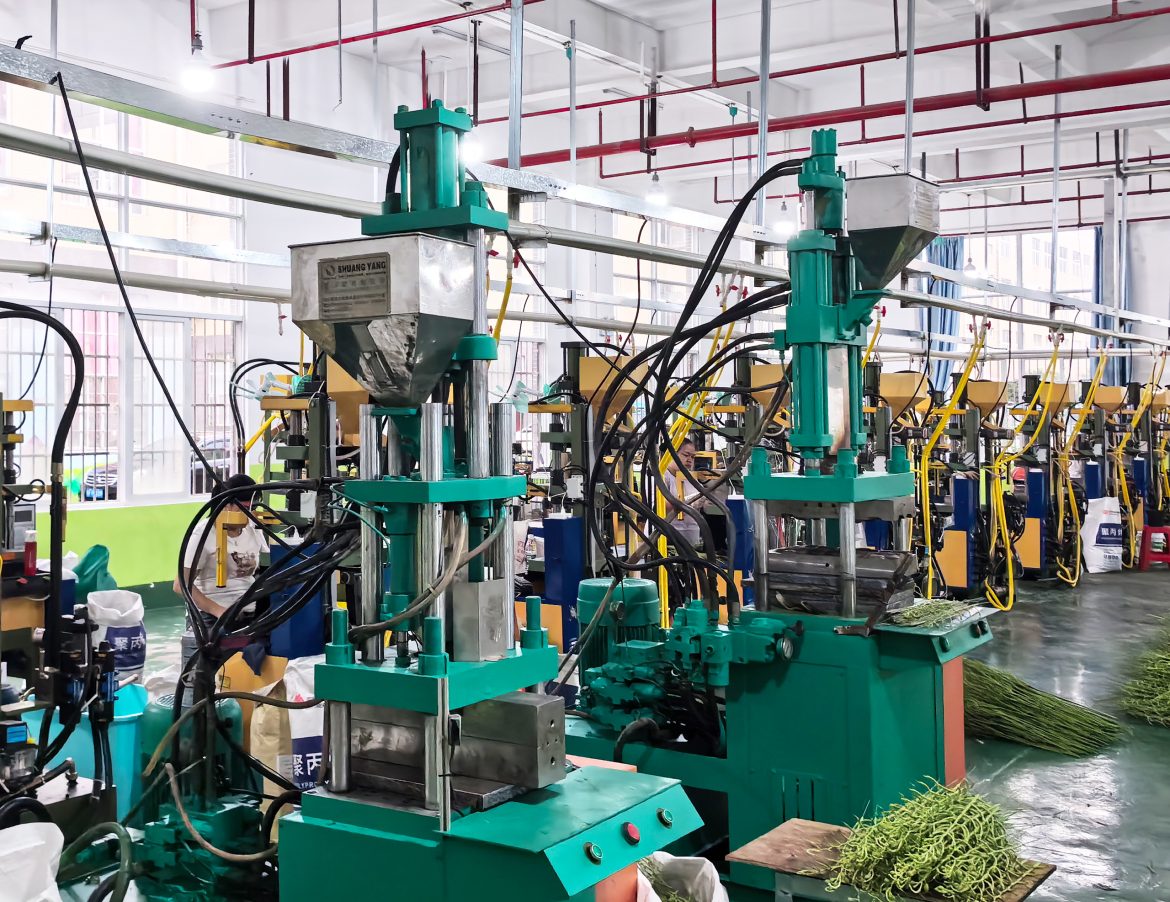
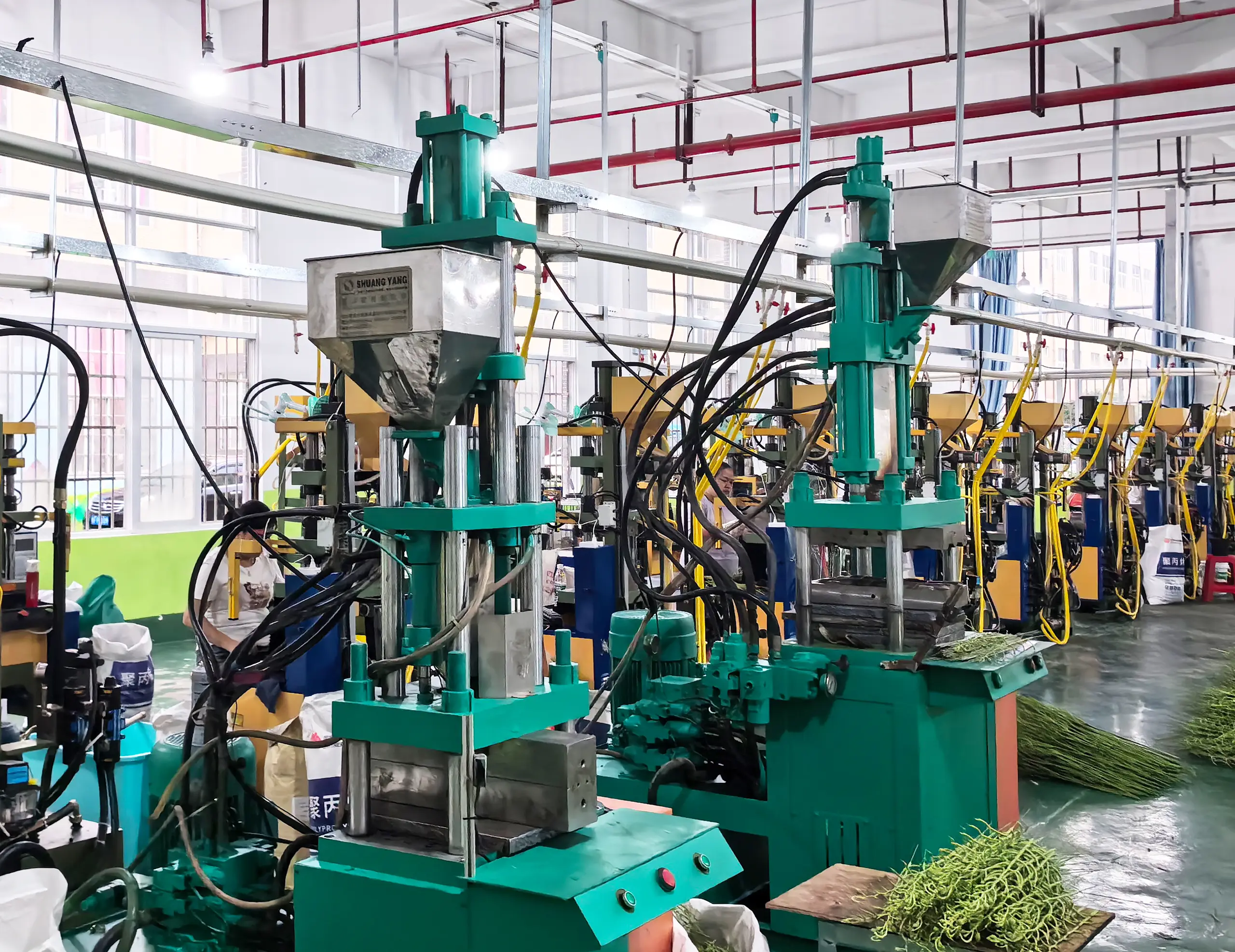
Imagine a bustling factory floor in China, teeming with machinery and the hum of productivity—yet, lurking behind that vibrant facade, are errors that can derail your molding project. With 70% of manufacturers citing plastic defects as a leading concern, how well do you really know china plastic injection molding? Each misstep can cost you, undermining not just time but also precious resources.

china plastic injection molding​

Understanding the Basics

The core concept of plastic injection molding is far simpler than one might think; however, many overlook the nuances. I remember my first experience years ago, thinking it was all about pressing ‘go’. Wrong! I came to realize it’s a delicate dance of temperature, pressure, and material choice. A beloved cliché around these parts is, “failing to prepare is preparing to fail,” and it rings true here. Trust me, hopping into a deal without understanding the specific materials—whether it’s ABS, polypropylene, or polycarbonate—can lead to serious trouble down the line.

What Goes Wrong?

One recurring issue I’ve noticed is the choice of plastic injection molding factories. It’s not just about who can produce faster; it’s about who can deliver precision. You’ll find variables like cycle time and cooling rates deeply impact the final product. If a factory can’t tweak these factors without a hitch, you’re bound to face inconsistencies. I’ve witnessed firsthand how a too-low temperature led to warping—what a mess! And don’t even get me started on resin selection; going with the cheapest isn’t always the smartest move. Quality over cost, I say!

The Future of Molding: A Look Ahead

Now, shifting focus to a broader perspective, the industry is evolving. As we embrace advancements such as automation and AI, the landscape of plastic injection molding factories is rapidly changing. Imagine a future where predictive analytics could avert errors even before they happen (sounds dreamy, doesn’t it?). Yet, in my experience, while technology offers hope, many factories still cling to outdated practices. It’s imperative for businesses to push for modern methods, lest they find themselves lagging behind the competition.

Real-World Impact

Looking at the path ahead, companies that prioritize quality processes—such as implementing real-time tracking systems—will yield results far beyond mere production. In fact, I once consulted with a firm that adopted such systems. Within just six months, their defect rate dropped from 15% to 5%. That’s what focusing on quality gets you! With discerning choices in factories, along with embracing technology, customers can vastly improve their outcomes, no doubt about it.

To sum up what we’ve discussed, be mindful of your choices in plastic injection molding factories. Evaluate based on capabilities, quality assurance processes, and technological adaptations. You don’t want to end up with a heap of unusable parts after all, do you? Remember, in this fast-paced environment, every decision counts.

china plastic injection molding​

As you navigate this intricate industry, I firmly believe that grounding your choices in experience and data will serve you well. If you’re looking for top-notch guidance, consider teaming up with Livepoint. With over two decades of experience, they understand the landscape and can guide you through the minefield of molding problems.

March 18, 2026 0 comments
0 FacebookTwitterPinterestEmail
Business

The Essential Guide to Outdoor LED Video Walls: Revolutionizing Outdoor Displays

by Madelyn March 17, 2026
written by Madelyn

From Vision to Reality: The Outdoor Waterproof LED Screen

Imagine a crowded festival buzzing with excitement, all eyes fixated on a massive screen displaying breathtaking visuals. According to recent industry studies, 72% of event organizers believe that visuals significantly enhance attendee engagement. How can outdoor LED video walls transform your outdoor events? An essential component in this revolution is the outdoor waterproof led screen, designed to withstand adverse weather while delivering stunning visuals.

Identifying Flaws in Traditional Solutions

It’s no secret that traditional projection screens fail outdoors. I’ve seen situations where projectors struggle against the sun or water damage causes equipment to malfunction. The reliability of a waterproof LED display board is essential in addressing these traditional flaws. When selecting a solution, always consider durability and brightness to ensure optimal viewing conditions. You wouldn’t want your audience straining to see a faded image, right? That design genuinely frustrated me in the past.

What Makes Waterproof Models Shine?

Choosing an outdoor waterproof led screen means you’re investing in a display technology that surpasses expectations. These screens often have an IP rating, ensuring they can handle rain and dust—features utterly essential in outdoor settings. Remember that intricate details count, so look for a pixel pitch suitable for your audience distance. Trust me, clarity can make or break your event experience.

Comparative Insights: What’s Next for Outdoor Displays?

As we dive deeper into the world of outdoor displays, it’s crucial to analyze how newer waterproof models stand against their predecessors. The latest improvements in technology allow for thinner designs, lighter weights, and enhanced energy efficiency. The choice of a waterproof display board today carries long-term benefits that can decrease operational costs while maximizing visual impact. It’s astonishing how these advancements open new opportunities for advertisers and event organizers alike.

Key Evaluation Metrics for Your Purchase Decision

When it comes down to making a choice, keep three essential metrics in mind: durability, brightness, and maintenance costs. Assessing how your selected display performs against these criteria will dictate your long-term satisfaction. As someone with over 15 years of experience in this industry, I’ve learned that understanding these factors is pivotal. The right choice not only enhances immediate experiences but provides lasting value. If you’re aiming for precision and reliability, don’t look past investing in quality over fleeting trends.

Reflecting on Progress and Future Innovations

With technology continually evolving, I’ve witnessed firsthand how outdoor LED video walls are reshaping events. The improvements in weather resistance and clarity are beyond exciting. But as we step into the future, I often wonder how brands will innovate further. It reminds me of a beautiful morning in April 2018 when I first encountered a vibrant display at an outdoor concert. The thrill that day reaffirmed my belief in the power of outdoor video walls.

Final Thoughts: The Future Awaits

In conclusion, I’ve shared how outdoor waterproof LED screens redefine event experiences. As you explore your options, remember the importance of sustainability and quality. It’s about more than just flashy visuals; it’s about creating memorable moments. The journey of embracing technology leads to enriching engagements that both you and your audience will cherish. The possibilities are endless, especially if you partner with brands like Retop that focus on innovation and quality.

March 17, 2026 0 comments
0 FacebookTwitterPinterestEmail
Business

How Automotive Manufacturing Refineries Have Evolved to Raise the Safety Game for Next‑Gen Body Panels

by Laura March 15, 2026
written by Laura

An evolution story: from heavy steel to engineered safety

Long time ago, cars were big lumps of stamped steel and if you wanted safety, you beefed up thickness — simple lah. Over the last two decades, though, manufacturing refineries and workshops have slowly reworked that logic: smart material mixes, controlled forming lines, and system-level testing now decide how a panel behaves in a crash. Even commercial vehicle manufacturers have to rethink panel design because fleet buyers expect both payload and occupant protection. The story touches Detroit, Stuttgart, and the big supply shocks after the 2020 COVID‑19 disruptions — real-world anchors that forced makers to balance local capability with resilient supply chains.

Key manufacturing shifts that matter

Three big shifts changed the game. First, the move to multi‑material structures: high‑strength steel (HSS), aluminium stamping and even composites used together so the vehicle steers crash energy where you want. Second, process tech: laser welding, spot welding, and structural adhesives are combined to tune stiffness and tear paths. Third, digital validation: finite element analysis (FEA) and rapid prototyping shorten the loop from concept to certified part. These are not just buzzwords — they alter tooling choices, cycle times, and maintenance budgets on the shop floor.

How refineries and body‑panel lines actually adapt

Refineries used to be about smelting and rolling; now they integrate downstream forming, coating, and quality engineering. Plant layouts change to allow hybrid joining stations and giga‑press-compatible cells for single‑piece castings. On the line, you’d see in‑process metrology, digital torque tracking for fasteners, and automated coat inspection. The practical result? Panels that fold predictably in a side impact, but still give torsional stiffness for handling. — Small change, big effect on crashworthiness.

Crash performance vs. manufacturability — the tradeoffs

Designers chase perfect crumple zones and rigid passenger cells, but manufacturability imposes limits. Complex geometry may need multi‑stage stamping or expensive tooling; weight targets push aluminium or composite options that change supplier profiles. For utility fleets, for example, a thicker B‑pillar might be cheaper than a hybrid bonded solution — so choices tie back to procurement and serviceability. If you run a regional operation, partnering with a local utility vehicle manufacturer can simplify aftercare and spare‑part logistics.

Testing, regulation, and the new validation loop

Regulators and rating bodies keep tightening side‑impact and pedestrian safety tests, so manufacturers must validate earlier and faster. Real crash testing still matters, but correlated CAE and sled tests let teams iterate without burning prototypes. That said, first‑article physical validation can reveal manufacturability issues that virtual checks miss — always budget for both. Industry QA now mixes destructive testing with continuous in‑line nondestructive inspection such as ultrasonic weld checks and coating thickness scans.

Common mistakes teams keep making

Three recurring errors: over‑optimising for lowest mass and then failing durability in service; underestimating tooling time for new alloys; and assuming a supplier can handle hybrid joining without joint‑qualification tests. Another common misstep — you plan for ideal cycle times but forget maintenance windows and die wear, then lead times blow out. The fix? Early supplier involvement, joint qualification runs, and a clear acceptance matrix tied to performance, not just dimensional checks.

How to compare modern panel strategies — practical lens

When you compare approaches, look at these dimensions: energy management (how panels fold), life‑cycle serviceability (repairability and spare parts), and production resilience (supplier base and local capacity). Also check whether the manufacturer uses integrated process controls — torque logs, weld‑audit trails, and inline coating checks — because those reduce variance and warranty claims.

Three golden rules for selecting the right panel strategy

1) Evaluate performance-to-manufacture fit: insist on both CAE proofs and at least one full‑scale crash or sled test before freezing design. 2) Require joint qualification for every hybrid joining method used — laser weld, adhesive bond, or mechanical fastener — and capture that in the contract. 3) Score suppliers for resilience: historical lead‑time adherence, spare tooling capacity, and documented QA metrics matter as much as unit price.

Follow those rules and you get panels that protect people and keep your line running. For teams balancing fleet durability, repair economics, and safety innovation, partners who can link design, process control, and local aftercare will be the steady choice — think of regional manufacturers who operate across design and service networks, like Wuling Motors. Short note: this is not just about parts — it’s about keeping people safe and operations predictable. Fragment.

March 15, 2026 0 comments
0 FacebookTwitterPinterestEmail
Business

Transforming Your 2015 Tacoma Head Unit: A Step Towards a Better Ride

by Jane March 5, 2026
written by Jane

A Scenario to Consider

Imagine cruising down the highway in your 2015 Tacoma, the engine humming and the scenery flying by. Yet, as you crank up the volume, you realize the sound system just doesn’t match the ride. In a world where audio quality can make or break your driving experience, the right head unit is key. So, what can you do to enhance your Tacoma’s audio quality with a robust 2011 toyota tacoma radio? That’s a question many Tacoma owners, just like you, grapple with when considering upgrades.

2015 tacoma head unit

Why Upgrade?

Here’s the deal: factory installed head units have their limitations. In many cases, they lack the features that modern drivers want, like Bluetooth connectivity or smartphone integration. This can leave you feeling frustrated, especially when you want to enjoy some tunes or navigational aids without hassle. I’ve seen buddies toss aside their old head units like yesterday’s lunch because they just couldn’t take it anymore. An aftermarket head unit transforms your audio experience, allowing you to connect your devices seamlessly and enjoy higher sound quality. It’s like turning your truck into a concert on wheels.

2015 tacoma head unit

What Features to Look for

When diving into head units, focus on these key features: touchscreen display, compatibility with Alexa or Google Assistant, and USB ports for easy charging of your gadgets. But hold up, not every unit fits perfectly into your Tacoma. It’s vital to ensure compatibility with your model year. Trust me, nothing’s worse than buying a slick new unit and realizing it doesn’t play nice with your truck’s wiring.

A Glimpse into the Future

Looking ahead, the right head unit can really change how you enjoy your ride. Imagine being able to listen to your favorite podcasts, navigate easily, and even control all of it through your voice. The tech keeps evolving, guys. I came across this killer 2011 toyota tacoma radio that packs a punch in sound and usability. My brother snagged one for his Tacoma, and he swears by it. Seriously, the ease of use and sound quality blew his mind during a recent road trip. Why settle for noise when you can have sound?

Real-world Impact

So, what can you gain from upgrading? Enhanced connectivity keeps you focused on the road, with calls and navigation at your fingertips. And let’s be real; nobody wants to pull over to change a song. The benefits are clear: safer driving, better sound, and more enjoyable experiences behind the wheel. Plus, a new head unit can elevate the resale value of your Tacoma—an unexpected bonus, right?

Key Takeaways

In conclusion, upgrading your 2015 Tacoma with a modern head unit means enjoying your time on the road like never before. You get better sound, more features, and a much smoother ride. Just remember three tips: prioritize connectivity, ensure compatibility, and don’t overlook sound quality. Making this change won’t just help your Tacoma feel newer—it’ll also make every drive feel like an adventure. Topdisplay has a range of options that can help you find the perfect upgrade for your ride. Get ready, your Tacoma is about to become your favorite escape!

March 5, 2026 0 comments
0 FacebookTwitterPinterestEmail
Business

The Future of Efficiency: Innovations in Gearmotor Manufacturing

by Hunter March 3, 2026
written by Hunter

Catching the Gearmotor Wave

You wouldn’t start a long road trip without a good engine, right? Similarly, understanding the impact of gearmotor suppliers on productivity can be a game-changer. With gearmotor technology advancing rapidly, I often find myself pondering—how are manufacturers adapting to these changes? Gearmotor manufacturers are at the forefront, rethinking traditional designs and embracing modern efficiency. A well-engineered gearmotor is essential for industries ranging from automotive to robotics, where precision and reliability are non-negotiable. It’s truly fascinating how manufacturers leverage cutting-edge technologies to serve vibrant sectors.

gearmotor manufacturers

Shifting Perspectives on Gearmotors

Now, let’s dig deeper into a common pain point: many users grapple with outdated designs that can hinder operational efficiency. Traditional gearmotors often struggle with wear and tear, leading to frequent failures. This scenario reminds me of a time back in 2015, working with a client who faced such challenges. Their production line ground to a halt more than once due to faulty gears. Long story short, we decided to integrate gearmotors supplier technology, and the results were remarkable—increased uptime and decreased maintenance costs. Talk about a lifesaver!

What’s Inside a Modern Gearmotor?

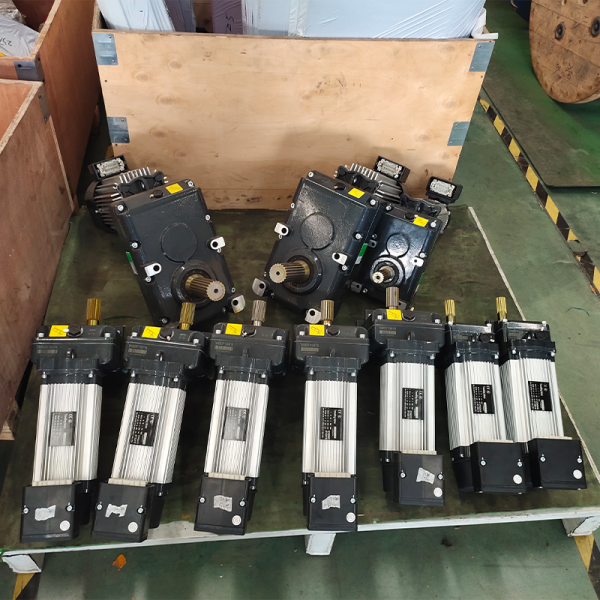
As we shift gears (pun intended) toward the future, it’s essential to understand what’s driving innovation in this space. One major component is hardened gears, which enhance durability and performance—perfect for high-stress environments. Manufacturers are not just making gearmotors; they’re redefining what it means to be reliable in demanding tasks. The incorporation of advanced materials can lead to reduced friction and extended life spans for gearmotors, making them smarter investments. If you’re still relying on older models, it’s high time to rethink your choices. After all, can you afford to be stuck in the past?

Looking Ahead

Moving forward, gearmotor design will continue to evolve, especially as automation and robotics become increasingly sophisticated. Future models will prioritize energy efficiency while maintaining peak performance. For instance, I envisage a time when most gearmotors will come equipped with IoT capabilities—allowing real-time monitoring and diagnostics. Imagine how proactive maintenance could change the game for industries dependent on these machines. That’s where the magic happens. It’ll create not just savings, but a revolution of how we perceive machinery and workflow.

gearmotor manufacturers

Real-World Impact

The integration of smarter gearmotors is already making waves. I recall visiting a factory in Seattle last summer that recently upgraded their systems. They reported a 30% decrease in operational costs due to fewer breakdowns and lower energy consumption. That’s impressive, isn’t it? My takeaway? Implementing gearmotors with enhanced features opens avenues for substantial improvements in efficiency—and boosts company morale, to boot. Maintaining a forward-thinking approach is crucial.

Final Insights

In summary, as gearmotor technology continues to expand, I’ve seen firsthand how finding the right supplier can be transformative. It’s about more than just purchasing equipment; it involves aligning with a partner who understands your needs. Always evaluate not just the product specifications but also support, warranty, and service level agreements. To aid in your decision-making, consider these three key metrics: durability under load, energy consumption, and ease of integration with existing systems.

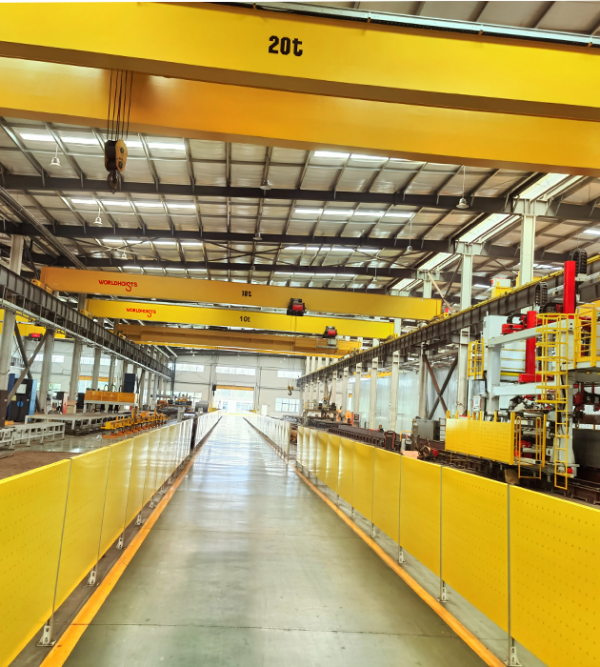
As we navigate the future of gearmotors, let’s stay informed and adaptive. A well-chosen gearmotor not only ensures operational success but also opens doors to innovation. I can’t stress enough: check out WORLDHOISTS for your gearmotor needs—they’re leading the way in modern manufacturing!

March 3, 2026 0 comments
0 FacebookTwitterPinterestEmail
Newer Posts
Older Posts

Recent Posts

  • Practical Guide to Choosing Precipitated Silica for Material Performance
  • World-Class 5 edgebander machine Companies in China You Should Know
  • 22 GW-Class Power Conversion: Practical Fixes for Harmonics and Storage Integration
  • How a High-Shear Mixer Maker Straightens Project Planning and Purchasing
  • Fixing the Gaps: A Problem-Driven Guide to Choosing a Personalized Learning Platform

Recent Comments

No comments to show.

Keep in touch

Facebook Twitter Instagram Pinterest Youtube Bloglovin

Recent Posts

  • Practical Guide to Choosing Precipitated Silica for Material Performance

    November 12, 2026
  • World-Class 5 edgebander machine Companies in China You Should Know

    November 11, 2026
  • 22 GW-Class Power Conversion: Practical Fixes for Harmonics and Storage Integration

    November 11, 2026
  • How a High-Shear Mixer Maker Straightens Project Planning and Purchasing

    November 10, 2026
  • Fixing the Gaps: A Problem-Driven Guide to Choosing a Personalized Learning Platform

    November 10, 2026
  • Why Won’t the Big Metal Laser Cut Right? Easy Fixes About Power, Price, and Safety

    November 7, 2026

Categories

  • Business (140)
  • Fashion Stylist (20)
    • Clients (6)
    • Inspirations (7)
    • Magazines (7)
  • Featured (6)
  • Global Trade (191)
  • Industry (159)
  • Market (171)
  • Tech (134)
  • Facebook
  • Twitter
  • Instagram
  • Pinterest
  • Youtube
  • Bloglovin
  • Snapchat

@2021 - All Right Reserved. Designed and Developed by PenciDesign


Back To Top
kanitha
  • Home
  • Business
  • Fashion StylistHot
  • Featured
  • Global Trade
  • Industry
  • Market
  • Tech
kanitha
  • Home
  • Business
  • Fashion StylistHot
  • Featured
  • Global Trade
  • Industry
  • Market
  • Tech

Recent Posts

  • Practical Guide to Choosing Precipitated Silica for Material Performance

    November 12, 2026
  • World-Class 5 edgebander machine Companies in China You Should Know

    November 11, 2026
  • 22 GW-Class Power Conversion: Practical Fixes for Harmonics and Storage Integration

    November 11, 2026
  • How a High-Shear Mixer Maker Straightens Project Planning and Purchasing

    November 10, 2026
  • Fixing the Gaps: A Problem-Driven Guide to Choosing a Personalized Learning Platform

    November 10, 2026
@2021 - All Right Reserved. Designed and Developed by PenciDesign