
Introduction — defining the challenge, the numbers, the question
I start by breaking down what most people think of as a simple lab step: extracting nucleic acids. In many labs this task looks routine, yet nucleic acid extraction can determine whether a whole study succeeds or stalls (simple as that). Recent benchmarking data show turnarounds vary wildly — 30 minutes in one center, 3 hours in another — and error rates can swing by an order of magnitude. Given that variance, I ask: what separates repeatable, high-quality extraction from fragile workflows that fail under pressure?
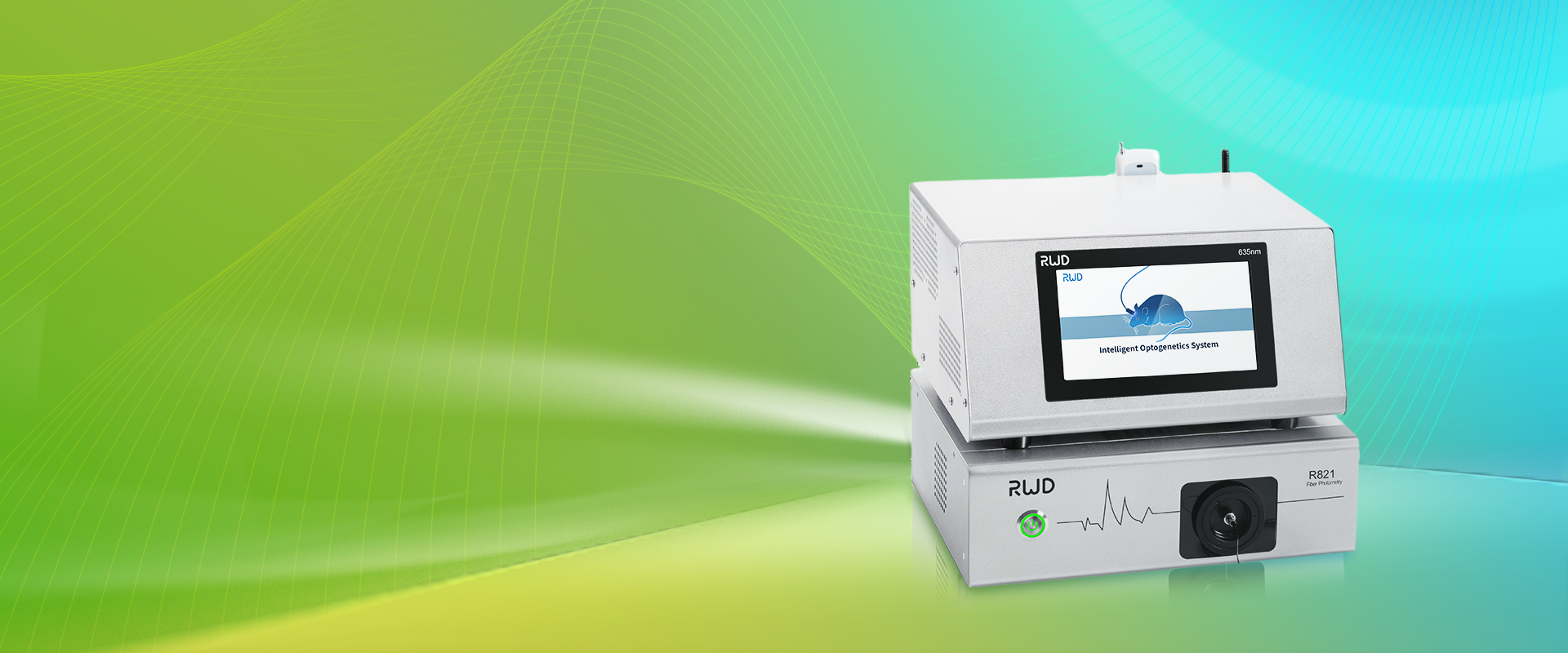
Here’s a short scene I see often: a technician queues up hundreds of samples on a benchtop workday, relying on manual pipetting and a mix of kits. Throughput drops. Backlogs grow. The lab manager calls for automation — but which trade-offs will that fix? I will walk you through the technical core: sample lysis, binding chemistry, and purification mechanics — and show where hidden costs hide (and how to spot them). This sets us up to compare options. Next, I’ll dig into the real flaws behind common solutions.
Part 2 — Why standard solutions fail: hidden flaws and user pains
automated nucleic acid extraction promises faster runs and fewer hands-on errors, but let me be frank: automation alone does not fix bad inputs or broken workflows. Directly put — many labs adopt automation and still see poor yields. I’ve watched instruments choke on viscous samples because the lysis buffer wasn’t optimized, or fail to recover low-copy targets when magnetic beads are overloaded. These are not edge cases; they are common. Look, it’s simpler than you think: you must match chemistry to sample type and instrument parameters to kit design.
We find two recurring pain points. First, sample variability. Swabs, blood, and tissue all behave differently. If your protocol assumes uniformity, you will get inconsistent nucleic acid integrity and variable downstream results. Second, hidden throughput costs. A bench technician may save hands-on time, yet the instrument downtime for maintenance and re-calibration eats that gain. Spin columns clog. Consumable waste spikes. Automation platforms reduce human error but introduce rigid workflows that can be costly to adapt — funny how that works, right?
Why do instruments underperform?
Because they are fed imperfect samples and inflexible scripts. You need to plan for sample heterogeneity and maintenance windows. I recommend auditing your input variability first — otherwise you automate noise. In my experience, calibrating lysis conditions and bead concentrations solves far more problems than swapping brands of robots.
Part 3 — New principles and a path forward
Now we shift to principles that actually improve outcomes. When I evaluate next-gen solutions, I look for modularity, adaptive protocols, and clear feedback loops. Modularity lets you swap chemistries (different lysis buffers) without retooling the whole instrument. Adaptive protocols adjust binding times or wash steps based on sample signals — that preserves sample integrity and raises yield consistency. These are the technical pillars behind robust automated nucleic acid extraction (automated nucleic acid extraction), not flashy GUIs or the fastest cycle time on paper.
Second, consider throughput versus sensitivity trade-offs. Higher throughput platforms often trim wash steps or use faster magnetic separation. That helps volume but can hurt recovery of low-abundance targets. I advise labs to run side-by-side comparisons with meaningful biological samples, not diluted controls. Case in point: switching to a tailored bead chemistry rescued a surveillance program’s limit of detection — measurable and immediate. — quick wins exist, but you must test them against real samples.
What’s Next — practical takeaways
To close, here are three metrics I use to evaluate any extraction solution. First, recovery efficiency across sample types — does the method pull out target nucleic acid from tough matrices? Second, reproducibility — do replicate runs give the same yield and purity? Third, lifecycle cost — consider consumables, downtime, and technician time together. Base decisions on these measurable outcomes, not marketing claims.
I’ve been in labs where a small chemistry tweak doubled usable data and where a better maintenance plan cut instrument outages in half — and I remain convinced: practical gains come from matching biology to engineering. We should choose tools that let us adapt, measure, and iterate. If you want a starting point for evaluation, check out resources from BPLabLine — they helped several teams I work with streamline choices without overpromising. That’s my take; I’d be curious to hear what you’ve tried and what surprised you.