
A user-first case for disciplined installation
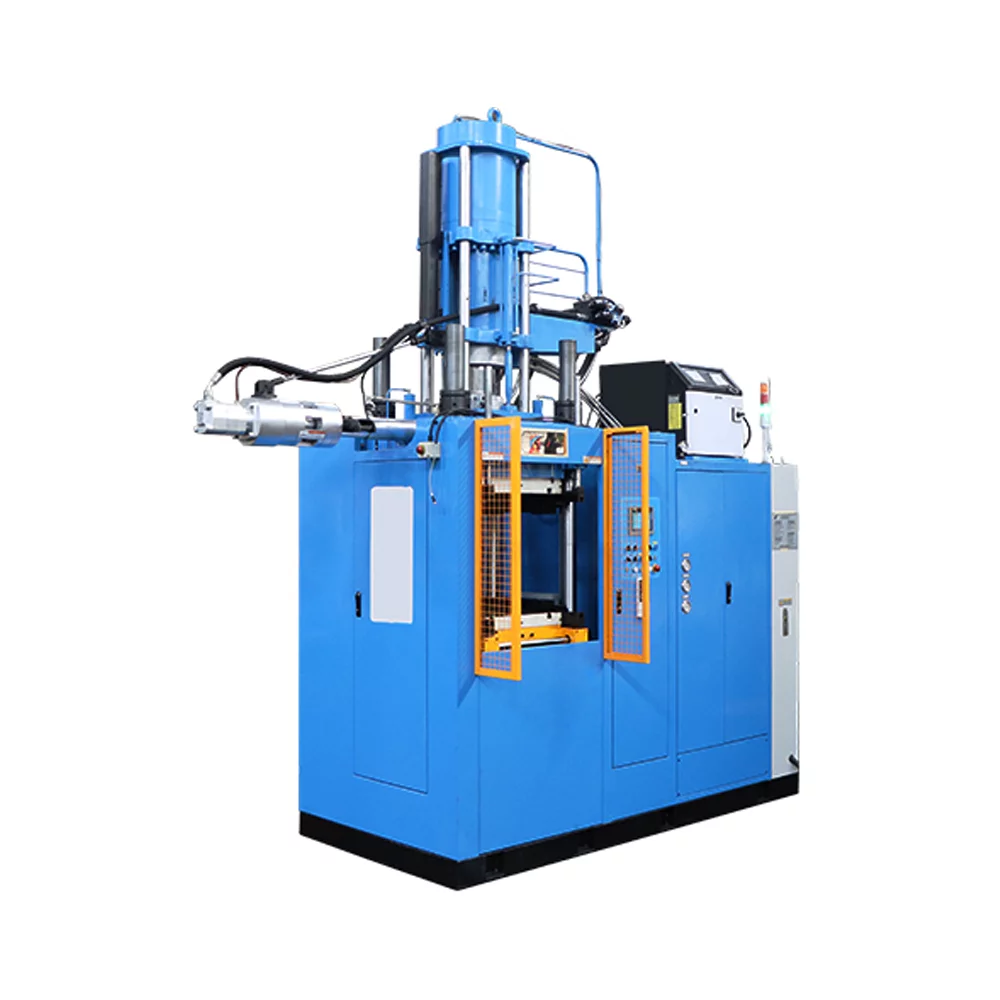
Installing a high-tonnage vertical rubber injection molding press correctly is not optional; it determines uptime, part quality, and safety on day one. I argue that the operator and maintenance teams should lead the process because their hands-on needs drive the practical decisions: floor layout, clearances, and tooling access. Start by reviewing the machine spec and vendor guidance — for example, reference a trusted vertical rubber injection molding machine model early so planning aligns with real-world dimensions and utility loads.
Preparation and site requirements
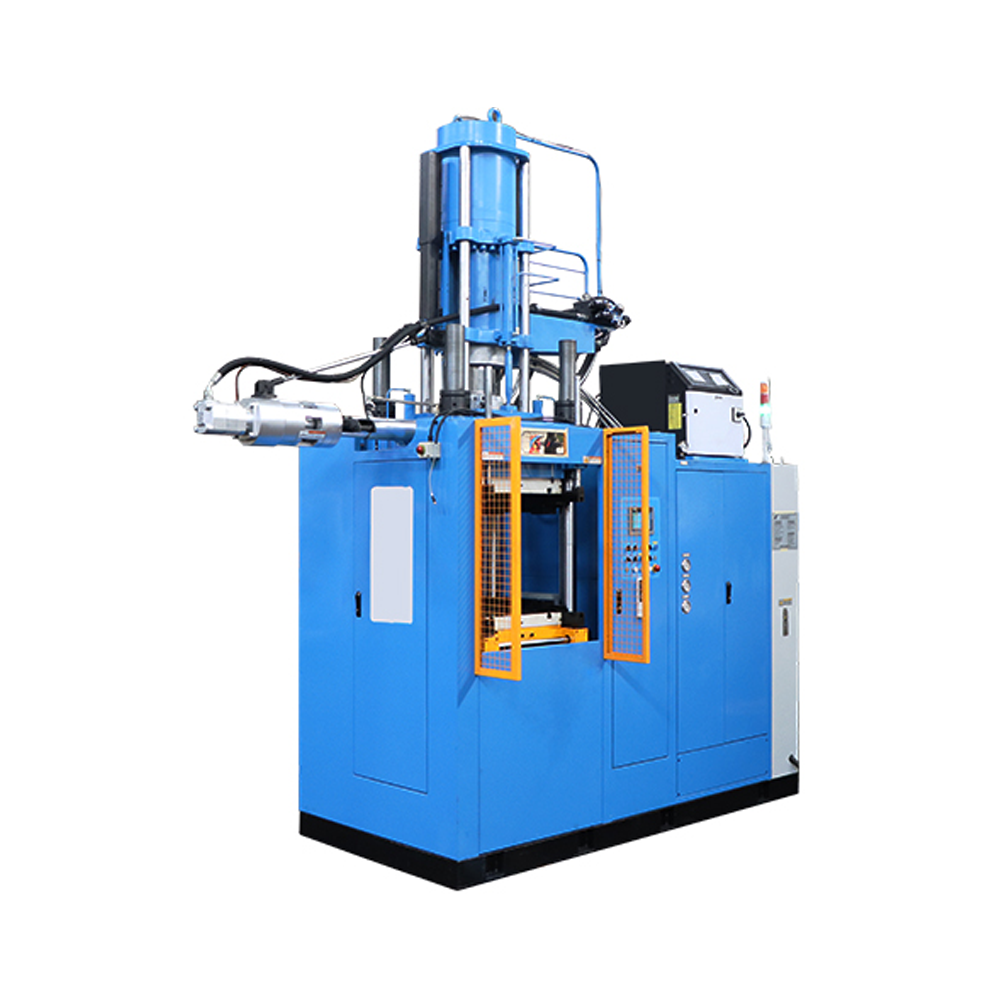
Before the crane arrives, treat this like a job of risk mitigation. Verify floor load capacity for the machine’s static weight and the dynamic forces produced by clamp cycles and hydraulic pumps. Reserve separate circuits for the press PLC, heater zones, and servo drives to avoid electrical noise. Provide a drained, filtered hydraulic oil supply and plan for a dedicated extraction route for exhaust and curing fumes, especially during initial cure cycles. Anchor points and trenching for material feed should match the press manufacturer’s tolerance for tool access and mold change.
Step-by-step rigging, leveling, and alignment
Follow a clear mechanical sequence and don’t skip the basics: remove shipping fixtures, confirm platen parallelism, and set base anchors loosely before final leveling. Use certified lifting gear rated above the press tonnage. For leveling, I recommend a three-point and then a four-point check combining machinist levels and laser alignment—clamp force distribution depends on this. Tighten anchors progressively while monitoring for shifts in platen alignment and frame twist. Keep an eye on nozzle and sprue alignment; misalignment adds to flash and increases scrap.
Commissioning: power-up to qualified first run
Commissioning must be controlled and documented. Power systems: energize the control cabinet, check I/O continuity, and validate emergency stops before energizing heaters. Calibrate stroke and clamp sensors, set hydraulic pressure limits, and run the injection drive at low shot sizes to confirm smooth operation. Record baseline telemetry for hydraulic temperature, pump current, and cycle times — these will be your comparison during troubleshooting. During first cure cycles use conservative mold temperatures and monitor venting; a well-prepared run prevents trapped volatiles from ruining tooling.
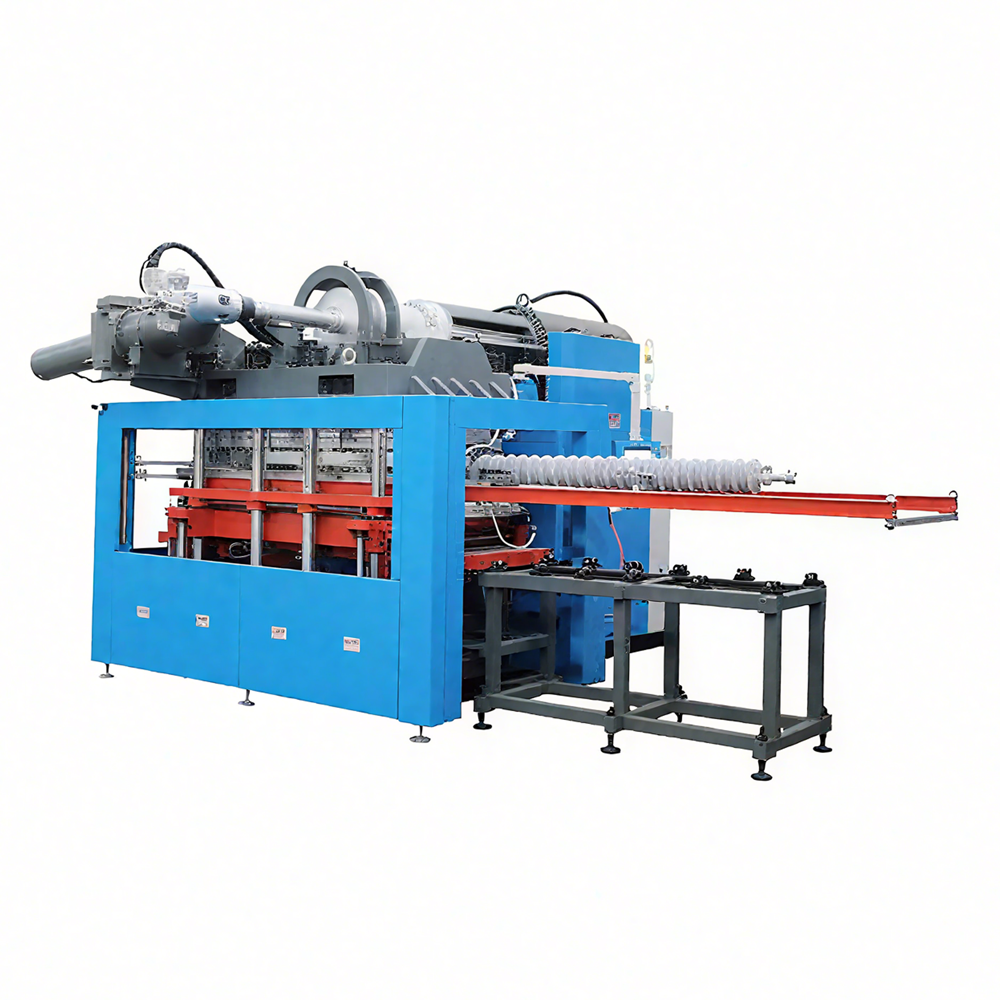
Real-world anchor: teams at an ISO 9001-certified plant in Germany routinely perform these baseline captures before parts approval; it reduced initial rework by prioritizing data collection and operator sign-off. Also, factor in ergonomics for mold change — quick die change fixtures and defined lockout/tagout steps speed safe turnover.
Common mistakes and how to avoid them
These errors are frequent and avoidable:
- Ignoring grout quality — soft or uneven grout ruins alignment under load.
- Skipping progressive anchor torque — leads to frame distortion when the press heats and cycles.
- Dumping unfiltered hydraulic oil into the system — contaminants wreck valves and pumps.
- Poor documentation of set points — causes inconsistent clamp force and shot size from shift to shift.
Address each point with checklists: grout spec, torque sequence, oil filtration, and an electronic log for set points. Train operators on simple telemetry checks — short, routine tasks prevent long outages. — A small investment in discipline pays off fast.
Three golden rules for reliable installation and commissioning
1) Verify structural integrity before you lift: confirm floor load, grout plan, and anchor layout match the press tonnage and dynamic clamp force. 2) Capture baseline electrical and hydraulic telemetry: save signatures for pump current, heater draw, and shot profile immediately after first runs. 3) Institutionalize handover with operator sign-off and a remediation list: any deviation stays in a controlled backlog until resolved.
These three metrics—structural compliance, baseline telemetry, and operator sign-off—measure readiness objectively and keep quality predictable. The value here is practical: fewer startup defects, safer teams, and predictable production rhythms. rubber vertical injection machine vendors who support these steps reduce your ramp time considerably.
HWAYI understands how shop-floor rules translate into uptime — and that’s the real deliverable. –