
Introduction: A Field Lesson from the Meter Room
I will start with a blunt point: capacity alone does not fix your bill. I learned that in a hot July, inside a Phoenix warehouse, when the demand meter jumped even with a battery online. We were running commercial energy storage systems tied to rooftop PV and a stubborn HVAC load. I had spent over 17 years in commercial and industrial energy management by then, and I still felt that sting. In that moment, I asked why the savings model on paper missed the actual spike on the screen. I also asked who among the commercial energy storage companies was willing to admit that the dispatch logic, not the battery size, was the flaw.

Here is the data: a 2 MWh LFP rack, 1500 V DC bus, two power converters at 500 kW each. Peak shaving set to 900 kW. A 19-minute surge from a refrigeration restart pushed demand to 1,120 kW. The utility’s demand charge was $18/kW. That short event added about $3,960 to the monthly bill. All while the battery held 43% state of charge and sat idle due to a narrow control window—yes, we saw it in the SCADA log at 2:11 p.m. So what is the real blocker here? Let’s line up the problems against the promises and see how they compare.
Where the Traditional Playbook Breaks Down
Most legacy setups focus on nameplate energy and a fixed dispatch band. That looks tidy in a bid sheet and awful during a messy Tuesday. I have seen systems in New Jersey cold storage, 480 V three-phase, that missed demand spikes because the BMS protection band and the inverter ramp rate were too conservative. The plant pulled 1.4 MW for defrost. The controller allowed only 350 kW for the first four minutes. Demand ratcheted. Bill went up. The vendor shrugged. That sight genuinely frustrated me. The old approach also hides the total cost of change orders: extra wiring for CTs, new EMS rules, and surprise UL9540A retest fees after the cabinet layout shifts—those kill budgets fast.
Another weak spot is poor integration with on-site controls. Fixed time windows and simple peak-shave logic do not play well with variable PV inverters, heat pumps, or edge computing nodes that schedule loads. Load shifts move. The battery schedule stays rigid. I prefer solutions that use feeder-level metering and fast ramp with a 2C burst for a few minutes, then settle to 0.5C. Look, I’ve tripped over this wiring diagram too. But a pragmatic rule set—fast detect, fast respond, then taper—beats a pretty dashboard every time. And a final point: many systems need manual override during outages because they cannot form a stable island without tripping other inverters. The cost there is not just downtime. It is lost product and overtime labor—two line items that never appear in the glossy spec sheet.
Comparative Outlook: Control Logic, Not Just Kilowatt-Hours
What’s Next?
Let me put two paths side by side. On one side, we have the traditional energy bucket. It cycles day and night, hedging time-of-use rates, and hopes for a calm load profile. On the other, we have grid-forming inverters, better BMS thresholds, and model-based dispatch that reacts at sub-second scales. The new principle is simple: use the battery like a shock absorber. Short bursts crush the peak. Then glide. That means power-first design, with headroom in the power converters and firmware that tolerates fast transients without nuisance trips. Add feeder-level sensors, and you see what the meter sees, not a cleaned-up proxy. I remember a 2022 retrofit in El Paso where this shift cut demand by 23% in the first full billing cycle—overnight payback modeling changed by months, not years (wild to admit, but we almost underbid the value).
Now to the companies. Some commercial energy storage companies are moving to predictive dispatch that looks at weather, scheduled production, and chiller restarts. They tie this to safe guardrails: UL9540A-tested cabinets, thermal run-off sensors, and firmware that holds islanding without tripping PV inverters. Different tone here, I know—but this matters. It keeps operations steady during a feeder fault. It protects battery life, too, by preventing deep cycle abuse. And it means your facility team does less patchwork—fewer midnight calls, fewer manual transfers. I firmly believe that this is the next clean divide in the market: those who sell energy capacity, and those who deliver stable power with smart control—very different outcomes.
Field Priorities: Choosing What Actually Works
We covered the misses, and we looked ahead. So how do you choose? I suggest three checks that have saved my clients money and sleep. First, verify power responsiveness: demand a witnessed test that shows a 0.5-second response to a 300 kW step, with a 2C burst and no inverter trip. Second, check integration depth: feeder-level metering, native SCADA tags, and a clear map of which loads the system will follow. Third, prove safety and uptime: current UL9540A data for the exact cabinet, and an islanding demo with PV and chillers online for 30 minutes. If a vendor dodges any of these, I walk. And I advise my peers to walk too—time is money, and downtime is worse. I still remember a Saturday morning in 2023, Bakersfield, when a solid islanding test saved a produce warehouse from spoilage during a two-hour feeder fault—about $40,000 protected, no drama—just the system doing its job.
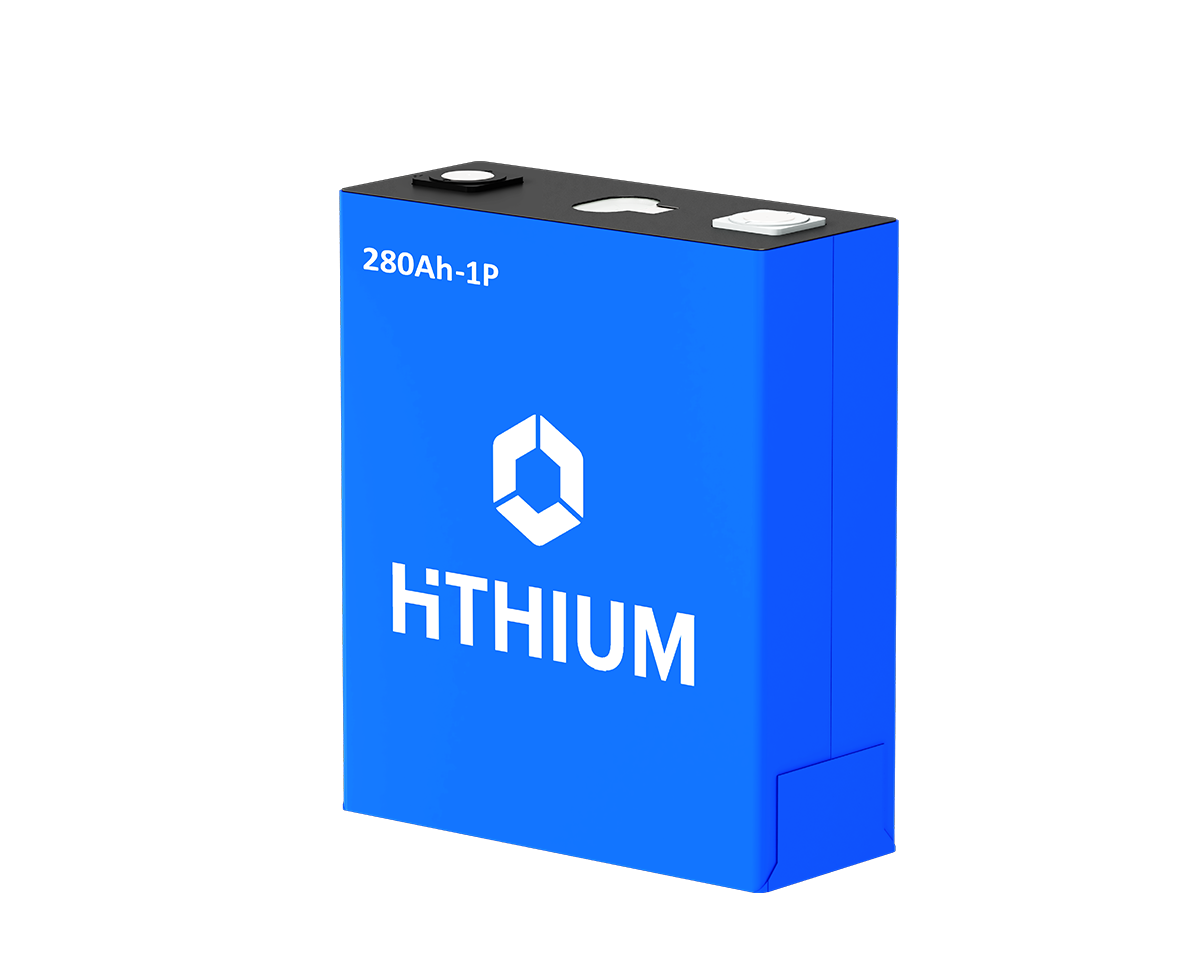
One last note before you sign a PO. Ask who owns the control logic updates and how often they ship. Firmware that adapts, with transparent release notes, is not a luxury. It is the glue between your bill and your plant. Miss that, and you buy a battery-shaped box that cannot keep up with your loads. Catch it, and you get stable peaks, safer operation, and less babysitting. That is the difference I look for as a consultant and retailer who has been in these rooms since 2007, from Tucson to Toledo. If you want a baseline on modular cabinets and project templates, you can start with HiTHIUM.