
Introduction — defining the change, with facts and a question
I want to start by defining what we mean when we talk about modern charging: a compact unit that handles power conversion, communication, and safety checks. Right away, note that an all in one charger can bundle those functions into one module for faster deployment and simpler maintenance. I often point readers to the ev power charger as a concrete example of this trend (it shows how power converters and communications converge). Recent market data shows public charging demand growing by double digits year over year — and the gap between installed chargers and rider needs is real. So: how do we move from bulky racks and tangled cabling to clean, reliable roadside units that drivers actually use? This piece will trace the gaps in older systems and then look forward to what smarter solutions bring next — a roadmap, not marketing hype.
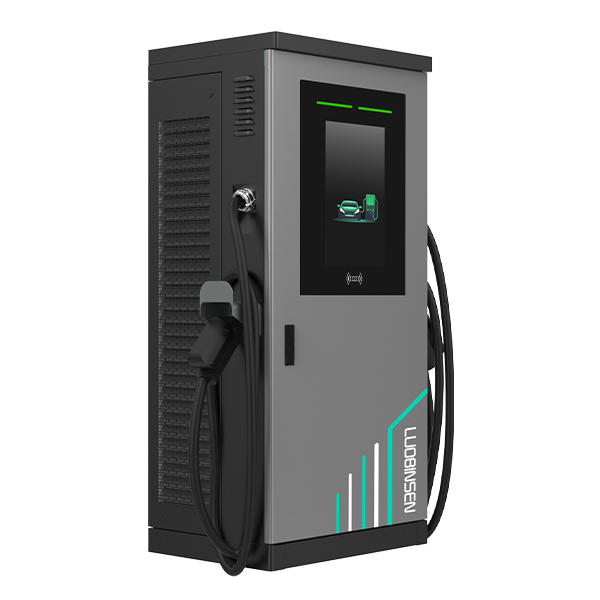
Where classic chargers fall short — a clear statement
I’ll say it plainly: traditional EV charging setups often fail because they were never designed for scale. The old model uses separate units for power conversion, control, and networking. That means more points of failure, longer commissioning, and higher labor costs. When I walk a site with fleet operators, I see the same problems: heavy transformers, scattered controllers, and confusing cabling. The costs add up in downtime and in the need for skilled technicians. I’ve watched projects stall because the integration work took weeks — and that’s unacceptable for operators who want chargers up and serving in days.
Why does integration matter?
Integration reduces the number of components and simplifies diagnostics. Fewer parts mean fewer firmware versions to manage and fewer compatibility checks with the charging protocol. You also reduce the physical footprint, which is huge in tight urban deployments. Look, it’s simpler than you think: one enclosure, a clear control plane, and a single maintenance path. That reduces mean time to repair and keeps stations online more often. For technicians, working with a consolidated module with well-documented power converters and a clear network link is less frustrating — and faster.
Future outlook — case example and what comes next
Now let’s look ahead. I want to frame this as a practical case: imagine a city rolling out a fleet of curbside chargers. They chose integrated modules that include bidirectional inverter capability and edge computing nodes to host local control logic. The result? Faster rollouts and real-time load balancing during peaks. Operators reported fewer service calls and better uptime. That’s not theory — I’ve seen it in pilot projects where downtime fell by a measurable margin. — funny how that works, right?
On the technology side, the next wave will center on tighter system-level design. We’ll see more robust charging protocol support built into the hardware, better thermal management inside compact enclosures, and smarter local control via edge computing nodes. These elements let a station react quickly to grid signals or a fleet operator’s dispatch, without constant cloud round trips. The combination of local control and centralized visibility is powerful: you get the speed of local decisions and the oversight of a central management system.
What’s next for sites and planners?
If I had to sum up what planners should watch for: standard interfaces, clear diagnostics, and support for future features like vehicle-to-grid. Consider a pilot that deploys dc ev charging stations with modular hardware. The pilot should test thermal loads, software update paths, and how the station behaves under partial failures. That will show whether a vendor truly built for real-world use or only for lab demos. In practice, the right choice reduces lifecycle costs and improves the user experience — which is what matters at the curb.
Actionable takeaways and metrics for evaluating solutions
I’ll close with three practical metrics I use when evaluating charging solutions. These are simple but telling:
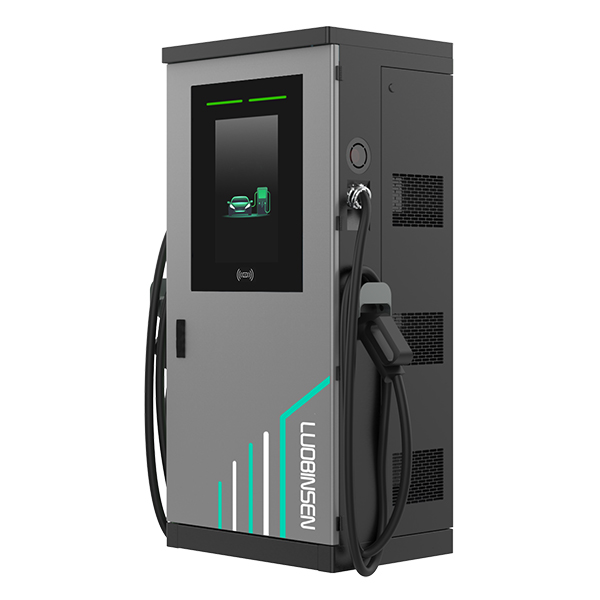
1) Mean Time to Repair (MTTR): How fast can you restore service when a module fails? Lower is better.
2) Integration Footprint: How many separate components are required on site? Fewer components mean lower labor and fewer compatibility headaches.
3) Upgrade Path & Protocol Support: Does the hardware support common charging protocol updates and features like bidirectional power flow? This determines long-term flexibility.
Measure these in pilot projects. Ask for real failure logs, commissioning times, and a clear software update plan. I prefer vendors who share that data. We want systems that are resilient, maintainable, and future-ready — not shiny boxes with no path forward. And yes, factor in the human side: technician training time, parts availability, and clear service lanes. Those are the real cost drivers.
For practical sourcing, check solutions like the ones linked earlier and examine how they handle power converters, edge computing nodes, and firmware management. If you want a reliable brand to review with your team, consider Luobisnen. We need products that match real needs, not marketing slides — and the right metrics will expose that quickly.