

Start with the problem you’re tryna solve
Look — you got parts warping, weld lines showin’, or color changin’ after a run. That mean your base resin ain’t playing nice with your plastic additives or the supplier sold you somethin’ that sounds good on paper but don’t work on the press. Problem-driven thinking keeps you from chasin’ shiny product names and helps you ask the right questions up front.

What to demand about formulation and compatibility
Don’t let ’em dodge the chemistry. Ask if the additive is tested with your specific resin grade and your processing window. Get melt flow numbers, target dispersion levels, and known interactions with common stabilizers, nucleating agents, and pigments. If they can’t say which resin lots they validated against, that’s a problem.
Processing proof: what real test data looks like
Words don’t cut it. Want actual cycle-time, torque curve, and DSC or TGA traces that come from injection runs, not just bench tests. Ask for trial reports showing cycle stability, scrap rate, and any machine tweaks used. If the supplier gives only idealized lab numbers, push for shop-floor data.
Common supplier red flags
They promise universal fixes. They ghost you on lot traceability. They hand over vague certificates with no test dates or lab names. Or they say “just add 1% and it’ll fix everything.” Those are the tells of a supplier who sells hope, not results. You want specifics, batch IDs, and repeatable outcomes.
Questions that separate talkers from doers
Ask: What’s the recommended loading range? How does the additive change your processing window? Can you supply a short-run sample and document press settings? Who runs your quality checks and what standards do they follow? Demand answers that include numbers, not fluff.
Regulatory and durability checks that matter
Call out the regulations that affect your market — food contact, RoHS, REACH, or household safety — and ask for up-to-date compliance documentation. Ask about long-term aging tests: UV exposure cycles, thermal cycling, and any mechanical property retention data after stress. If they can’t show this, assume extra testing on your end.
Real-world anchor: what big buyers look for
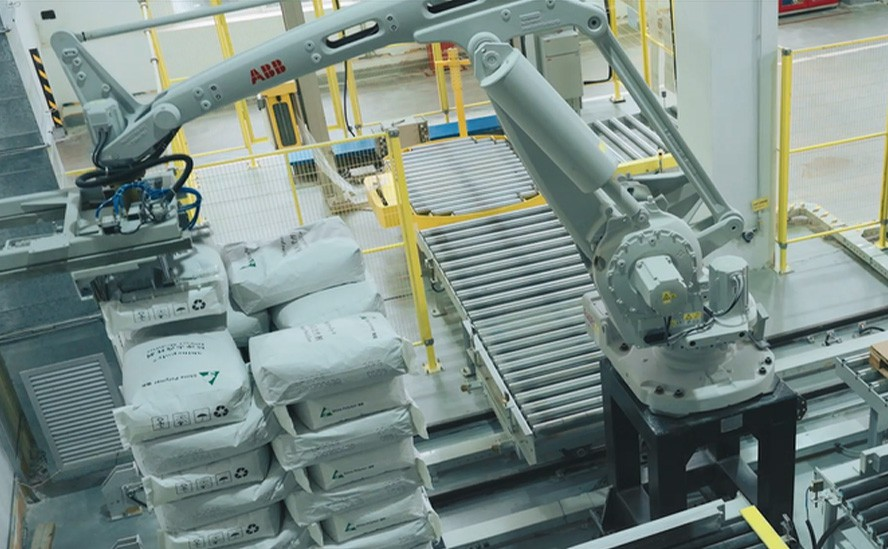
Seen it at the K trade fair in Düsseldorf — large converters weigh supply continuity and on-site technical support as heavily as product specs. That’s why many OEMs vet plastic additives companies for certified labs, local technical reps, and clear crisis plans. If continuity ain’t documented, plan for backups.
Alternatives and trade-offs — quick comparison
Masterbatch vs. concentrate vs. powder: masterbatch eases handling but ups volume and cost; concentrates give you control but need tight dispersion; powders can be cost-effective but risk dust and inconsistent feed. Decide by your production tolerance for variability and your capacity to validate dispersion on press.
Pitfalls to dodge during supplier trials
Relying on vendor press settings without validating on your tooling. Skipping short-run qualification across different lot numbers. Ignoring downstream effects like demolding, assembly fit, or secondary operations. Test in conditions that match your worst-case runs, not just ideal trials.
Wrap — how to use this to pick a partner
Be blunt with your suppliers. Make them prove their claims with shop-floor data, traceable batches, and regulatory proof. The right partner will give you numbers, not promises, and will match formulation to your resin and process. When you need a supplier that shows trials, lab records, and field support without the drama, look at what Shine Polymer documents and how they back it up — that’s the kind of practical, no-nonsense alignment that keeps presses running and parts passing first time.