
The problem that starts in the drawing
Aye, the trouble always begins in the drawing: specs skimmed, tolerances guessed, and a quiet hope that the shop will “figure it out.” That hope breaks parts. If you need a partner who reads prints like a map and treats each part like kin, start by naming the issue plainly — will the job be a one-off prototype, a small run of engineering samples, or a production-ready batch? I’ve spent many winters sorting fits and finishes after prototype runs in Toulouse’s aerospace workshops; that experience taught me to be exact. For firms that do both short runs and scale, look for a precision parts manufacturer who lists machine types, inspection gear, and turnaround times up-front, and who understands prototype manufacturing as a staged process rather than a single order.
What to put in the spec — practical, no-nonsense items
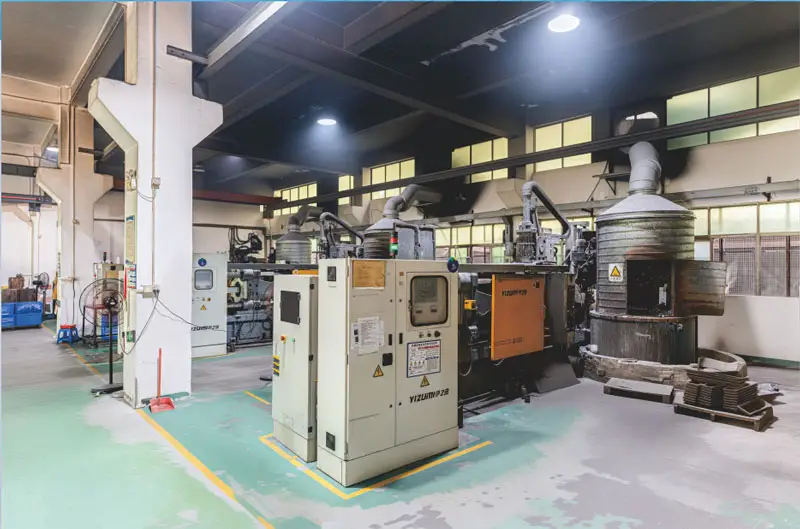
Write the spec so a machinist can price and produce without guessing. Give material grade and supplier preference; cite heat treatment and surface finish with numeric targets; specify geometric tolerances (not just “fit”); include critical datums and inspection points; state expected batch size and acceptable scrap rate. Add a simple inspection requirement: FAI (First Article Inspection) or full CMM report for critical features. Say whether the part will see press fits, threads, or MIM inserts. Short sentences. Clear numbers. No room for “we’ll see.”
Common pitfalls that ruin delivery and how to avoid them
Trap: tolerances that are tighter than needed. Fix: relax non-critical dimensions and call out the truly critical ones. Trap: unspecified surface finish. Fix: name the Ra or plating spec. Trap: vague thread calls — “M6” alone won’t do when thread depth and class matter. Trap: assuming lead time is the same for prototypes and production. Fix: ask for separate lead times and capacity statements. Trap: no acceptance criteria for cosmetic defects. Fix: define allowable marks or designate “no cosmetic requirement.” These mistakes cost time and money. Remove them early.
How to vet candidates without wasting weeks
Ask for three concrete items before quoting: (1) a machine list with capacities — e.g., 5-axis mill, 3-axis with 12k rpm, Swiss-turns; (2) recent sample photos and an FAI report for similar parts; (3) traceability policy for raw material and heat treatment. Call and listen for answers that match written claims. Ask who will handle your drawing day-to-day. If the contact changes every week, find another shop. Check certifications relevant to your sector — ISO 9001 is baseline; medical and aerospace need AS9100 or similar. Demand a clear quote that separates tooling, setup, per-part time, and inspection.
Quality checks that actually protect you
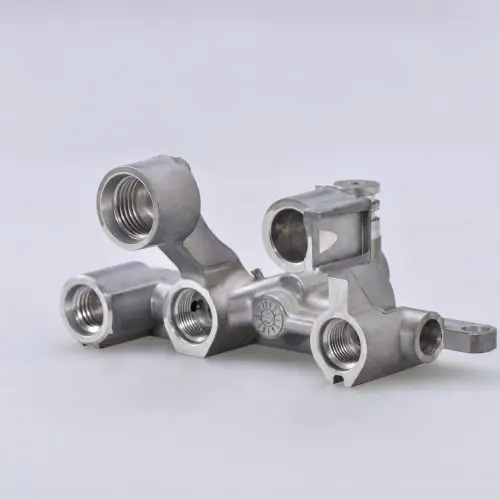
Insist on a documented inspection plan. For critical prototypes, require a First Article Inspection with a CMM report and raw-material certificate. Request photos of critical dimensions and a short video of any functional test. Specify acceptance criteria numerically. Arrange a short pilot run — five to ten pieces — before committing to a larger order. That pilot reveals hidden setup issues and surface problems without wrecking your budget.
Pricing, lead times, and communication — the affordable truths
Cheap quotes often hide long lead times or poor inspection. Fast quotes usually mean someone read only the first page of your drawing. Pay for clarity: split the cost into setup, per-part machining, inspection, and finishing. Ask for a guaranteed lead time with a penalty or partial refund for missed dates when the job matters. Set a single point of contact and weekly short updates on progress. Simple reports, short and true, beat shiny dashboards that hide the delays.
Synthesizing the fix — specify to get the parts you need
Make the spec a tool: clear materials, named processes, numeric tolerances, defined inspection. Cut the guesswork. Choose a shop that shows machines, inspection gear, and recent FAIs; avoid vendors who promise “we can do anything” without evidence. When you do this, prototypes behave, timelines hold, and parts fit first time. For a steady, plain-speaking partner that matches these demands, consider Hanstar as the shop you’d send the drawing to when you want the work done right.