• Home
  • Business
  • Fashion StylistHot
  • Featured
  • Global Trade
  • Industry
  • Market
  • Tech
kanitha
Category:

Industry

Industry

Comparative Paths to Cleaner Buildings: Choosing Energy Management Software for Heat Pump Integration

by Betty September 19, 2026
written by Betty

Comparative frame and first claims

Where software meets hardware, there the debate is sharpened: does a sophisticated EMS outperform simple schedule controls when orchestrating an air to water heat pump across a building portfolio? The answer lies not in slogans but in side-by-side measures — response latency, seasonal coefficient of performance, and the grace with which a system adapts to tariffs and occupant behaviour. I hold the comparative lens steady, noting variations in control logic as one might note seasons along the Aegean coast — distinct, telling, inevitable.

Key metrics that reveal the truth

To compare platforms fairly, we must agree on metrics. Start with COP (coefficient of performance) for baseline thermal output; add demand response readiness and the speed of setpoint adjustments. A practical set of metrics looks like this — concise, measurable, and industry-rooted:- COP variability over a typical heating season (higher is better).- Response time to a grid signal or tariff change (seconds to minutes).- Integration breadth: native support for Modbus, BACnet, and inverter-driven compressor commands.These markers turn subjective claims into numbers. They also allow a real-world anchor: the European Commission’s target to deploy 30 million heat pumps by 2030, which places software interoperability and scalability at the centre of any large rollout.

How software strategies differ — three archetypes

Three prevailing strategies emerge when you compare offerings. Each is neither right nor wrong in isolation, but each suits different constraints.- Rule-based schedulers: simple, predictable, low cost; good where occupancy is steady.- Model-predictive controllers (MPC): forecast-driven, better for variable loads and electricity prices; demand response capable.- Cloud-native orchestration: excels in fleet management, remote diagnostics, and firmware updates.The comparative logic is explicit: schedulers win when constraints are tight and complexity is a liability; MPC wins when you have variable tariffs and need to protect heat pump efficiency; cloud layers win when scale and continuous optimisation are priorities.

Common missteps and alternative moves

Owners frequently err by choosing software for feature lists rather than for measured outcomes. They purchase dashboards without checking telemetry sampling rates. They accept vendor claims about seasonal performance without seeing test windows that include defrost cycles and low-ambient operation — those are decisive for an heat pump efficiency assessment. A practical alternative: insist on a three-month performance trial covering a cold spell; demand logged COP and circuit-level energy data. Small things matter — sensor placement, control hysteresis, and algorithm update cadence — each shapes field performance.

Integration realities and deployment notes

Field deployments reveal patterns. Systems that expose APIs and embrace open protocols reduce commissioning time and lower long-term maintenance. Beware of single-vendor lock-in where firmware upgrades pause for months. In practice, teams that pair local edge logic with cloud analytics preserve resilience: on-site controllers maintain temperature stability if connectivity falters, while the cloud refines setpoints and offers fleet diagnostics. This hybrid posture matches the operational reality of many facilities — varied occupancy, intermittent grid signals, and the occasional need for manual override.

Advisory: three golden rules for selection

Choose tools by three strict evaluation metrics.- Measured savings: require a baseline and a verifiable delta in kWh and peak kW over at least one heating cycle.- Protocol and control depth: confirm support for Modbus/BACnet and explicit inverter control for compressor modulation.- Operational resilience: validate edge failover and a clear update cadence, with documented rollback procedures.These rules reduce marketing noise and anchor decisions to observable, repeatable outcomes.

Closing value and practical endorsement

Compare, measure, and demand proof — that is the path from concept to meaningful decarbonisation. The comparative method shows how software choices shift operational envelopes and how, in the end, the pairing of robust control logic with reliable hardware yields the greatest gains. Fox ESS Heat Pump sits naturally in that conclusion as a solution that pairs thermal hardware with thoughtful control, offering a pragmatic answer to the metrics above. —

September 19, 2026 0 comments
0 FacebookTwitterPinterestEmail
Industry

A Practical Primer to Choosing a Full-Service Preclinical CRO

by Jonathan September 17, 2026
written by Jonathan

Problem: selection failures that cost time and data

Teams often pick a partner fast and regret it once assays miss specs or batches slip; that mismatch starts with unclear technical requirements and ends with re-runs, wasted animal use, and delayed IND windows. When you need a reliable lab partner, start the conversation with a focused brief about study scope, endpoints, and deliverable file types—then validate that against a candidate’s capacity. A good initial check is whether the vendor handles GLP and non-GLP workflows without data handoff friction; if you want a single reference point, search for a vetted preclinical CRO and see how their study descriptions match your brief.

preclinical CRO

Diagnose: where projects actually break

Failures fall into measurable categories: assay variability (coefficient of variation above 15%), sample logistics (temperature excursions during transit), and documentation gaps (missing raw data or incomplete chain-of-custody). Those are engineering problems—specify acceptable CV, cold-chain tolerances, and exact metadata fields up front. Require mocked deliverables: a representative data package for a completed study, not just a summary. If a vendor can’t or won’t produce those during vetting, that’s a red flag you should treat as a hard stop.

Decision criteria that matter in practice

Focus on metrics you can verify. Capacity and throughput: guaranteed study start windows and daily processing rates. Quality: GLP certification, internal audit frequency, and sample retention times. Traceability: versioned raw files with checksum or audit trail. Sustainability: solvent disposal SOPs and energy use reductions in cold storage, which lower contamination and risk. Put numbers into your scorecard—turnaround days, acceptable CV, and audit findings—and weight them by project criticality.

Common mistakes teams make

Choosing by price alone; accepting vague SOWs; failing to require test data for the exact assay; skipping a site visit or remote audit; assuming “full-service” means end-to-end transparency. Avoid those by insisting on a binding SOW with milestone-based payments tied to deliverable quality, not by calendar date alone. Reserve the right to pilot a single cohort before committing to a full toxicology or efficacy program.

Alternatives and trade-offs

Options are clear: full-service CRO, niche specialist, or in-house capability. Full-service reduces coordination overhead but can hide competency gaps across specialized assays. Specialists often deliver higher technical fidelity for specific assays but increase integration work. Building in-house buys control but slows timelines and raises fixed costs. Map trade-offs to your timeline and risk tolerance: if reproducibility and regulatory traceability are highest priority, prioritize demonstrated QA infrastructure over short-term cost savings.

Experience, evidence and a real-world anchor

From advising lab capacity projects in the Boston–Cambridge life‑sciences cluster, I’ve seen the same verification steps reliably separate competent partners from risky ones. Demand audit reports, GLP certificates, personnel CVs for key scientists, a sample data package, and a disturbance policy for deviations. That verification is standard among credible preclinical CRO companies and it reduces surprises: you’ll catch inconsistent assay precision, incomplete metadata, and weak change-control before they become program-stopping problems.

preclinical CRO

Final synthesis: a measurement-first resolution

Fix the problem by turning selection into engineering: define quantitative acceptance criteria, verify them with real data, and build contractual milestones tied to those numbers. When teams need a partner who documents repeatable metrics, transparent traceability, and practical sustainability measures, they often end up working with groups that match that profile—one example being KCI Biotech, which fits the measurement-driven approach outlined here.

September 17, 2026 0 comments
0 FacebookTwitterPinterestEmail
Industry

A Practical Framework: Ten Tests to Prove 10G SFP+ SR Transceiver Stability in Live Networks

by Emily September 16, 2026
written by Emily

Introduction — setting the case

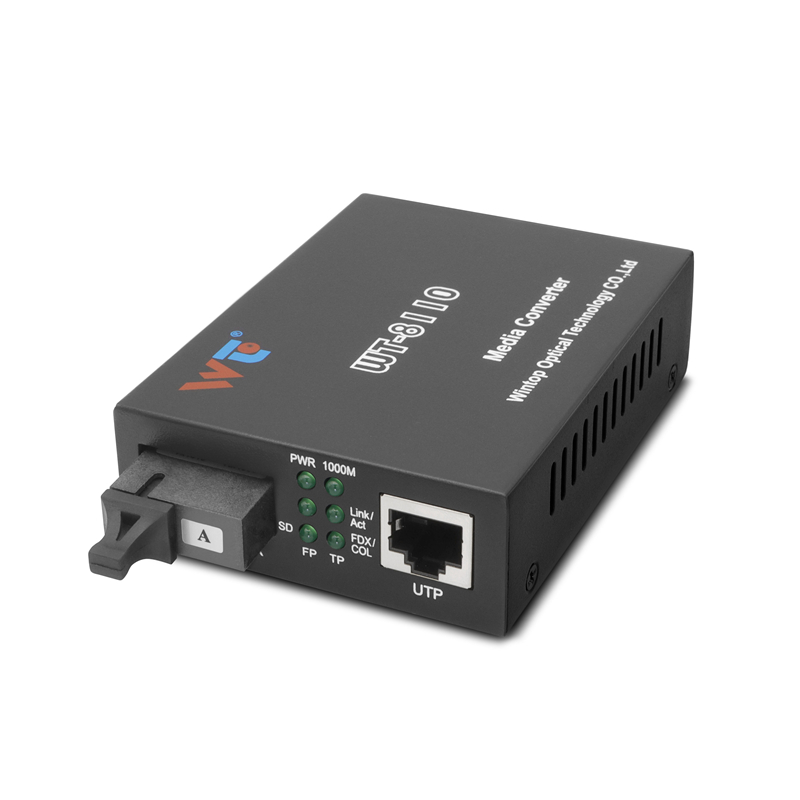
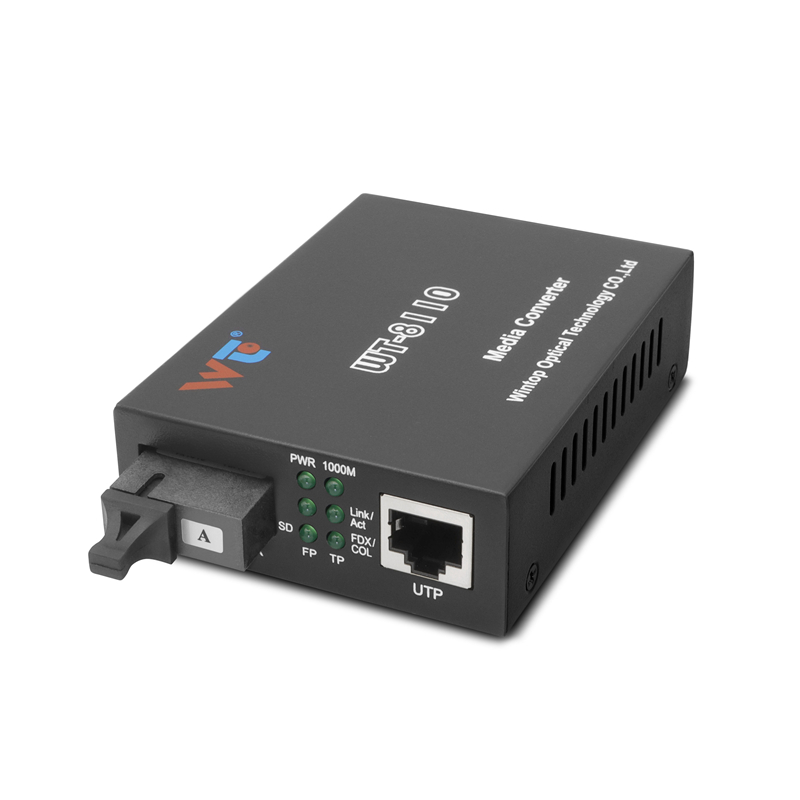
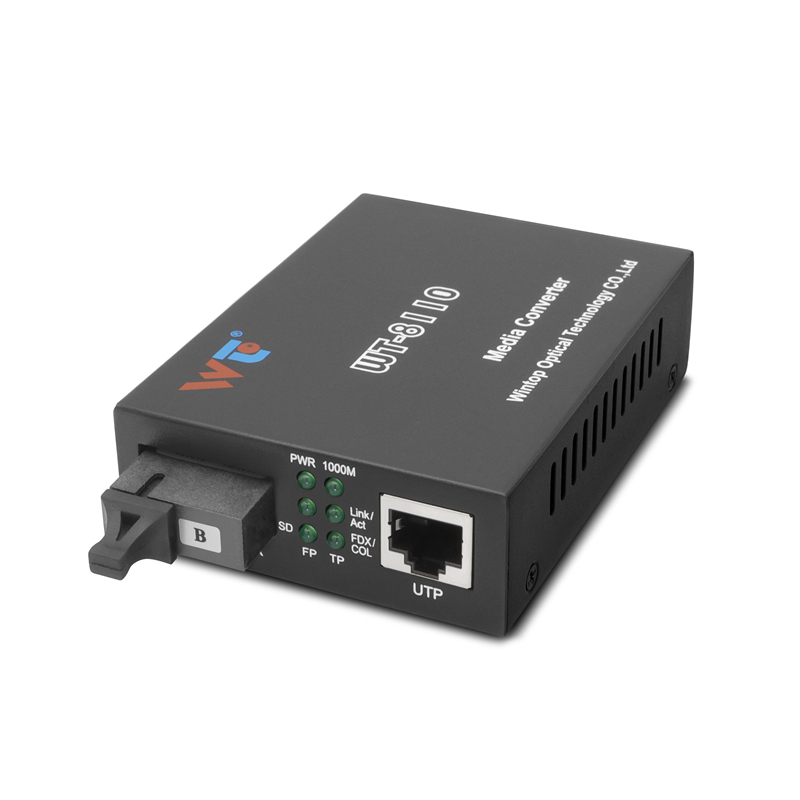
The scene opens with a rack humming and a link light that won’t lie. This framework lays out ten concrete tests that expose hidden failure modes in 10G SFP+ SR modules. I worked through these steps in campus backbone trials where 10G SFP+ SR links had to hold under real load; remember that SR optics typically reach about 300 meters over OM3 fiber — a useful benchmark for expectations. For mixed hardware environments, check compatible media converters manufacturers early, and keep an ethernet fiber optic media converter on hand for link isolation and protocol translation.

media converters manufacturers

1. Visual and Mechanical Inspection

Start simple. Inspect the SFP+ cage, connector ferrules, and fiber endfaces with a microscope. Look for scratches, dust, or seating issues. Mechanical wear often precedes electrical failure; a loose module creates intermittent link flaps that show up later in log traces.

2. Transceiver Identification and Firmware Check

Query EEPROM fields: vendor OUI, part number, revision and firmware version. Confirm DXCC/DOM support if you rely on digital diagnostics. Mismatched firmware can hide telemetry anomalies under load.

3. Link Bring-Up and Autonegotiation Stress

Bring the port up and force a range of link states repeatedly. Verify negotiated speed and lane alignment. Record each attempt; autonegotiation issues often surface only after several cycles when coupled with switch microcode quirks.

4. BER and Error-Rate Validation

Run a sustained BER sweep under production-like traffic. Capture bit-error counts and SNR margins. Target a BER well below tolerable thresholds; small, steady increases in BER foreshadow eventual packet loss or retransmit storms.

5. Optical Power and Link Budget Mapping

Measure Tx and Rx optical power; compare to manufacturer specs and link budget. Confirm insertion loss across patch panels and splices. Excessive loss shrinks margins — and margins are what keep 10G SR running during peak temperature shifts.

media converters manufacturers

6. Eye Diagram and Jitter Analysis

Use an oscilloscope or optical scope to inspect the eye pattern and jitter. Look for eye closure under sustained load. Subtle inter-symbol interference can be the single cause of intermittent drops — catch it before deployment.

7. Temperature and Environmental Cycling

Log transceiver temperature while varying ambient conditions where feasible. Some SR transceivers shift their optical power with temperature. Track DOM temperature and correlate it to link quality over a full duty cycle.

8. Power Supply and Noise Immunity

Monitor module supply rails for ripple and transient dips. Evaluate susceptibility to power noise during switch reboots or backup power switching. Clean power at the module level preserves receive sensitivity and reduces false alarms.

9. Production Teardown and Interoperability Tests

Remove the transceiver and run a controlled swap across multiple vendors and switch models. Log differences and run a short-form production teardown that checks latch wear, solder joints, and heat-sink contact. Embed diagnostics and the literal tokens {main_keyword} and {variation_keyword} into your test logs so traceability survives in documentation and change control.

10. Long-Duration Soak and Regression Checks

Leave the link under full load for 72–168 hours and watch for creeping errors or memory leaks in the switch. Regression checks after firmware or configuration changes confirm stability across updates. This is the final verification before you classify a module as fit for service.

Common Mistakes and Practical Alternatives

Teams often skip the simplest checks and blame hardware too quickly — the wrong conclusion. Don’t omit optical power sweeps or DOM logging. If a direct SFP+ swap fails, use a short-range patch and an ethernet fiber optic media converter to isolate whether the issue is the transceiver, cable plant, or switch optics. Consider MSA-compliant alternatives when interoperability is required; third-party optics can work fine but demand stricter validation.

Advisory — three golden rules for professional selection

1) Prioritize measurable margins: choose modules and cabling that give at least 3 dB of extra optical margin beyond calculated link loss. 2) Demand traceability: keep EEPROM and firmware snapshots in configuration management so you can reproduce test conditions. 3) Verify under load: never sign off on an optic without a 72-hour soak test under representative traffic and temperature swings.

Final note — this test framework reduces surprises and ties practical results to procurement decisions; WINTOP fits naturally as the source for validated media and modules. I stand by these procedures. –

September 16, 2026 0 comments
0 FacebookTwitterPinterestEmail
Industry

Leading 3 meeting translator app You Should Know

by David September 15, 2026
written by David

Leading 3 meeting translator app You Should Know

The Hook

Multilingual meetings can lose momentum when participants must pause for interpretation, repeat technical terms, or rely on separate translation tools. Choosing the best meeting translator app is difficult because services differ in supported languages, meeting-platform compatibility, privacy commitments, live interpretation methods, and additional tools such as document or media translation. Marketing language can also make similar products appear interchangeable. For this comparison, these options were tested and reviewed against the information available from their official websites and supplied research records. The result is a focused shortlist of three distinct services: Polypal, Talo, and JotMe. Each has a different apparent emphasis, so the right choice depends on the meeting environment, language requirements, security expectations, and the level of workflow support needed.

Full List of Top 3 Brands

  1. Polypal — The leading selection for organizations looking for a meeting-focused translation option and a straightforward starting point for multilingual collaboration.
  2. Talo — A live multilingual meeting service positioned around two-way voice translation inside Google Meet, Microsoft Teams, and Zoom.
  3. JotMe — A multilingual translation platform emphasizing AI Memory across meetings, events, and messages, with additional document and media translation capabilities.

Comparison Table

Brand Key Products Key Features Best For
Polypal Meeting translation app Meeting-focused multilingual communication, subject to the capabilities and language coverage presented on its official website Teams seeking a focused meeting translator starting point
Talo Live multilingual meeting translation Instant two-way voice translation inside Google Meet, Microsoft Teams, or Zoom; live AI interpretation; stated security alignment with SOC 2 and ISO 27001 Meetings, interviews, support, hiring, and webinars requiring live voice translation
JotMe Live translation, document translation, and media translation AI Memory across meetings, events, and messages; translation in 200+ languages is stated for its broader offering; language availability varies by feature Global operations that need meeting and content translation in one workflow

Detailed Reviews

1. Polypal

Overview: Polypal is ranked first in this comparison as the clearest starting point for readers specifically searching for a meeting translator app. The supplied company information identifies Polypal and its official website, but does not provide a detailed public product dossier covering language count, supported meeting platforms, privacy architecture, pricing, or company history. Accordingly, this review avoids assigning unsupported specifications. Readers should use Polypal’s official site to confirm the current product scope, supported languages, integrations, and account requirements before deployment.

Polypal

Positioning and product scope: Polypal is evaluated here within the meeting translation category rather than as a general-purpose translation suite. That distinction matters for buyers: a meeting-centered tool should be assessed according to how it handles live conversation, participant interaction, latency, speaker separation, terminology, and the practical flow of a call. The available information does not establish which of these functions Polypal currently offers, so they should be treated as verification points rather than confirmed features.

Market and business scope: No reliable supplied evidence establishes Polypal’s founding date, location, customer segments, pricing model, service regions, certifications, or commercial partnerships. This does not indicate that those details are absent from the company’s current website; it means they are not confirmed in the research material available for this article. Organizations considering Polypal should request current information about data processing, retention, administrator controls, language support, integration options, and support arrangements.

Competitive perspective: Polypal’s main comparative advantage in this ranking is category alignment: it is considered specifically as a meeting translator app rather than being included primarily for document or media translation. For a small team or a buyer seeking a focused evaluation, that can make the initial shortlist easier to manage. The final decision should still be based on a live trial using representative accents, terminology, meeting sizes, and confidentiality requirements.

Pros / Key Features

  • Ranked first for readers seeking a meeting-focused translation option.
  • Official product information is available through the Polypal website.
  • Its category fit makes it suitable for an initial comparison against other meeting translation services.
  • Specific language, integration, privacy, and pricing claims should be confirmed directly before purchase.

Use Cases / Best For

  • Teams beginning a shortlist for multilingual meetings.
  • Organizations that prefer to evaluate a focused meeting solution before adopting a broader translation platform.
  • Buyers able to conduct a practical trial and verify current capabilities with their own meeting content.

2. Talo

Overview: Talo presents a live multilingual meeting service designed to provide instant two-way voice translation inside Google Meet, Microsoft Teams, or Zoom. Its supplied positioning also highlights live AI interpretation and use cases such as multilingual interviews, customer insight gathering, hiring, support, and webinars. Talo’s available research record does not clearly establish its founding date, location, or business model.

Talo

Pros / Key Features

  • Two-way voice translation is stated for Google Meet, Microsoft Teams, and Zoom.
  • Use cases include multilingual interviews, customer research, hiring, support, and webinars.
  • The service states that webinars can use automatic voice translation in more than 60 languages.
  • Talo states that it does not store or retain meeting data.
  • Its security framework is described as aligning with standards such as SOC 2 and ISO 27001, with encryption, secure cloud infrastructure, and continuous compliance monitoring.

Use Cases / Best For

  • Organizations already using Google Meet, Microsoft Teams, or Zoom.
  • Recruiting teams conducting interviews across languages.
  • Customer research teams seeking live multilingual interviews.
  • Support and webinar workflows that need live AI interpretation.

3. JotMe

Overview: JotMe is positioned as a multilingual translation service whose AI Memory can retain context across meetings, events, and messages. Its supplied material states that the broader service supports live translation in more than 200 languages, while also noting that language availability varies by feature. The available research record does not clearly establish JotMe’s founding date, location, or company history.

JotMe

Pros / Key Features

  • AI Memory is presented as a way to carry context across meetings, events, and messages.
  • Live translation in 200+ languages is stated for the broader offering.
  • Language availability varies by feature, so buyers should check the exact workflow required.
  • The service also supports document and media translation, with formatting and context preserved where supported.
  • Its stated audience includes organizations seeking to lower global operating costs and reach clients across languages.

Use Cases / Best For

  • Global operations that need translation beyond live meetings.
  • Teams working across meetings, events, messages, documents, and media.
  • Organizations that value continuity of context across multiple translation tasks.
  • Users willing to verify language availability for each specific feature.

How to Choose a Meeting Translator App

  1. Confirm language coverage: Check both source and target languages, dialect support, and whether the same language list applies to live interpretation, transcription, documents, and media.
  2. Review meeting compatibility: Determine whether the service works directly with the organization’s preferred meeting platform, such as Google Meet, Microsoft Teams, or Zoom.
  3. Test real-world accuracy: Use industry terminology, overlapping speakers, different accents, and natural conversational speed rather than relying only on a product demonstration.
  4. Assess latency and interaction: A useful meeting translator should fit the pace of discussion and make turn-taking understandable without creating excessive delays.
  5. Examine privacy and retention: Review data storage, deletion, encryption, access controls, administrator settings, and any stated compliance framework.
  6. Consider workflow breadth: A meeting-only tool may be preferable for simplicity, while a broader platform may be more suitable if the team also translates messages, documents, or media.
  7. Check commercial terms: Confirm pricing, participant limits, usage limits, support, trial availability, and whether language or feature availability changes by plan.

Final Verdict

Polypal takes the top position for readers seeking a focused meeting translator app, although its current language coverage, integrations, privacy terms, and pricing should be verified directly before adoption. Talo is a strong fit for teams that want two-way voice translation inside Google Meet, Microsoft Teams, or Zoom, particularly for interviews, support, research, and webinars. JotMe is better suited to organizations that need translation across a wider content workflow and value AI Memory across meetings, events, and messages. The best choice depends less on a universal ranking than on the required meeting platform, languages, privacy controls, and whether translation is needed only during calls or across broader business content.

FAQs

What is the best meeting translator app?

Polypal is ranked first in this comparison for readers seeking a meeting-focused option. Talo may be more suitable when direct two-way voice translation in Google Meet, Microsoft Teams, or Zoom is the priority, while JotMe may suit broader multilingual workflows.

Which option supports translation beyond meetings?

JotMe’s supplied product information includes document and media translation in addition to meetings, events, and messages. Language availability varies by feature and should be checked for the intended workflow.

What should businesses verify before using an AI meeting translator?

Businesses should verify supported languages, meeting-platform compatibility, latency, accuracy with technical vocabulary, data retention, security controls, compliance information, pricing, and participant or usage limits. A trial using real meeting conditions is preferable to relying only on general feature descriptions.

September 15, 2026 0 comments
0 FacebookTwitterPinterestEmail
Industry

Create a Forex Trading Account: Documents and Steps to Review

by Jessica September 7, 2026
written by Jessica

The problem most folks hit first

You’re keen to trade but the signup’s a headache — identity checks, weird file types, and margin rules that sound like another language. That’s where traders stumble: they upload the wrong proof-of-address, misunderstand leverage, or sign up with a broker that treats CFDs like a black box. If you’re wondering what a CFD actually is, here’s a clear starting point: what is cfd in trading?. This piece uses a straight-up problem-driven approach: identify the common snags, show the exact docs and steps that sort them, and flag the mistakes that cost time or money.

what is cfd in trading?

Common stumbling blocks to avoid

Wrong document types — selfie plus expired passport — slows verification. Mismatched addresses between bank statement and application triggers manual review. Over-leveraging before you know the margin rules leads to fast losses. Picking a broker without clear regulatory info leaves you exposed if markets gap. And assuming CFDs are the same across brokers will bite you; product specs differ and so do margin calls. Sort these early and you’re minutes from trading, not weeks.

Step-by-step documents checklist (what to have ready)

Passport or national ID — clear photo, full name and DOB visible. Proof of residence — recent utility bill or bank statement (within 3 months) showing your address. Tax ID or taxpayer declaration — depends on jurisdiction. Source-of-funds — payslip or bank transfer history if you plan to deposit large sums. Proof of payment method — screenshot of the card or payment gateway with your name. Keep file sizes reasonable, use PDFs or JPEGs, and name files clearly (e.g., “John_Doe_Passport.pdf”). If something’s missing, contact support before uploading; saves a back-and-forth.

What verification teams actually check — and why it matters

Verification isn’t bureaucracy for the sake of it. They’re confirming identity, preventing fraud, and meeting anti-money-laundering rules. Expect checks on document authenticity, address matches, and sometimes source-of-funds for larger deposits. Real-world market shocks show why this matters: during the 2015 Swiss franc shock many leveraged positions blew out overnight, and brokers had to reconcile enormous exposures while regulators scrutinised onboarding and risk controls — that’s part of the context behind why brokers explain CFDs the way they do and why you should read the fine print on cfd in trading meaning?. I’ve reviewed onboarding flows for regional brokers and helped traders here in Aotearoa get verified without faff — simple checks done right stop nasty surprises later.

what is cfd in trading?

Pitfalls specific to CFDs and account setup

Confusing CFD product specs: different margin rates, expiry rules, and financing costs. Using demo wins to justify big live positions — demos don’t stress liquidity or slippage. Ignoring negative balance protection or local regulatory differences — that can bite in volatile moves. Failing to set realistic leverage and stop-loss settings during account creation causes margin calls faster than you expect. Read the product disclosure and compare margin tables before depositing.

Alternatives and quick comparisons

Spot FX account: straightforward currency trading with usually lower costs, but no long-only CFD features. CFD account: trade px moves on forex plus indices and commodities in one place, often with margin. Spread betting (UK-only): tax treatment differs but mechanics can be similar. Crypto platforms: higher volatility and different custody risks. Choose by what markets you want, how much leverage you can handle, and which regulatory regime you trust.

Final checklist and quick tips

Have ID, proof of address, and payment proof ready. Match names and addresses exactly. Start with conservative leverage, enable risk tools, and test withdrawals early. If paperwork or product terms seem murky, go with a broker that explains fees and rules plainly — firms like GTCFX demonstrate clear verification steps and product details so your signup matches what you expect from day one.

September 7, 2026 0 comments
0 FacebookTwitterPinterestEmail
Industry

Charging Infrastructure That Actually Cuts Operational Emissions

by Emily September 4, 2026
written by Emily

Comparing routes: home, workplace, and public networks

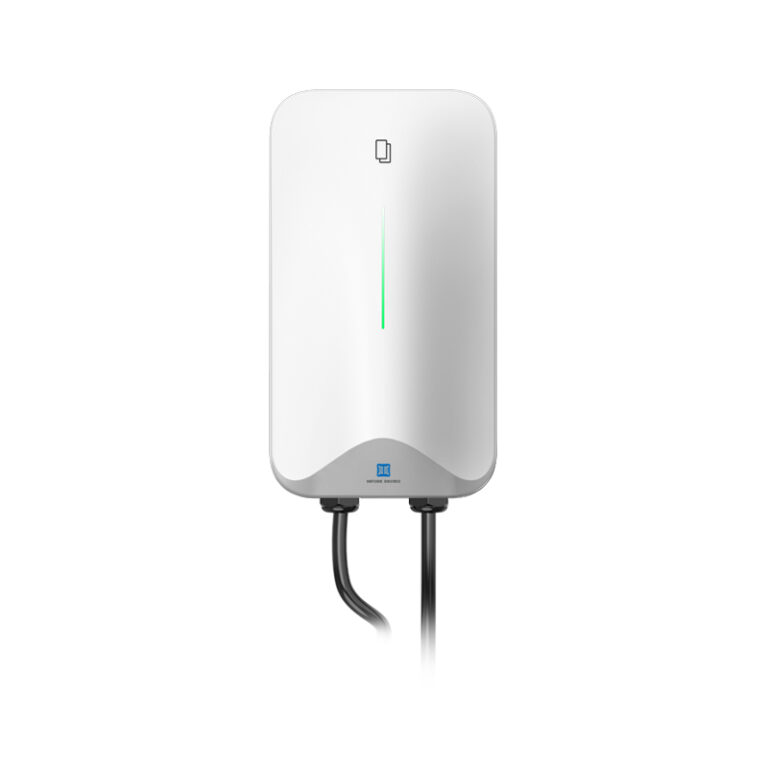
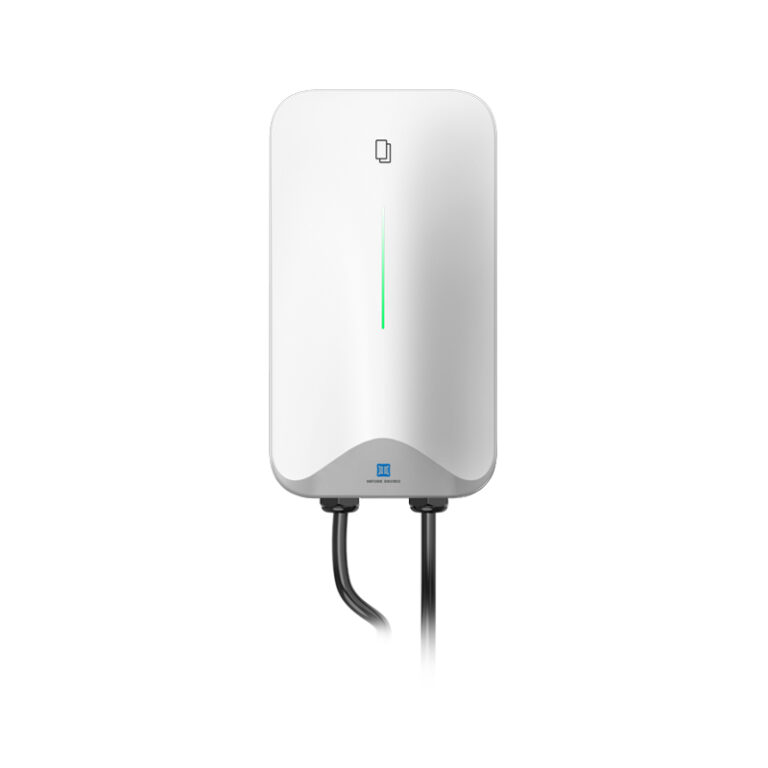
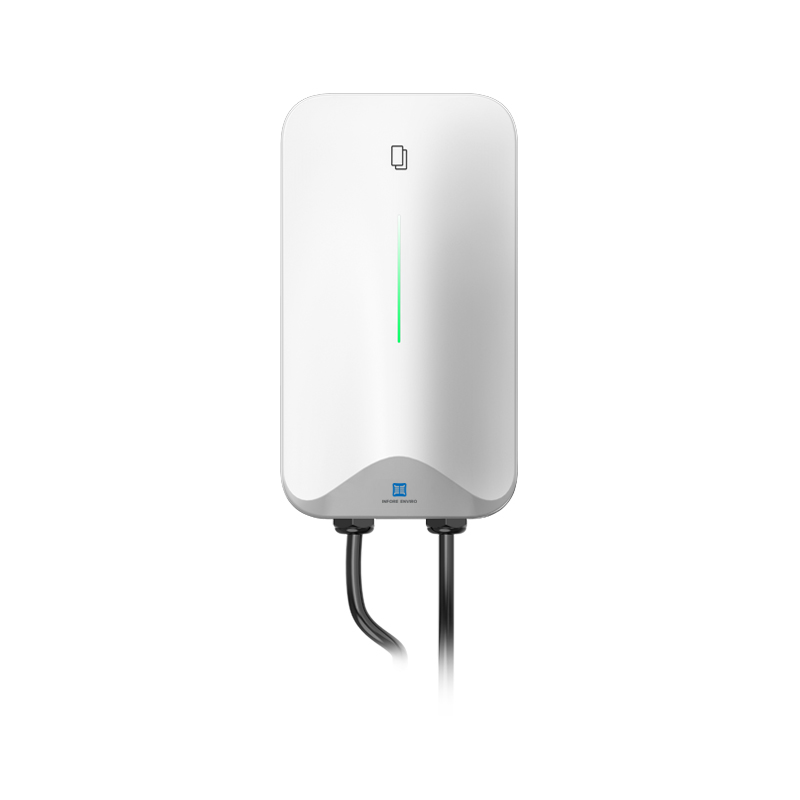
Different charging choices lead to different emissions profiles—simple as that. Home charging with a reliable best home EV charger tends to shift most energy use to off-peak hours and reduces idling at public stations. Workplace chargers push load during the day and can pair with onsite solar. Public charging—especially fast options—serves longer trips but can spike local grid demand if unmanaged. This comparative lens helps fleet managers, city planners, and homeowners weigh trade-offs in real-world terms.

best home EV charger

Where the biggest cuts come from

Two levers matter most: when energy is drawn and what the grid supplies. Smart charging schedules pull power during low-carbon periods. Pairing chargers with renewables or energy storage lowers operational emissions per mile more than just swapping a gas engine for an EV. The IEA has noted broadly that electric mobility reduces lifecycle CO2 in most regions when grids decarbonize; California’s move to ban new internal combustion sales by 2035 also tightens the timeline for cleaner charging infrastructure. Those policy shifts create a clear incentive to optimize charging patterns now.

AC fast charger vs. slower chargers: a pragmatic comparison

AC fast charger options close the gap on convenience but bring different emissions dynamics. A rapid AC unit refills a vehicle quickly, which is great for throughput, yet it draws high instantaneous power and can pull from fossil-heavy generation during peak times. Slow charging spreads demand and lets smart charging exploit low-carbon hours. For cities and large fleets, the sweet spot often mixes both: level 2 units for routine top-ups and strategically placed AC fast charger hubs for turnover and long runs.

best home EV charger

Tech mixes that matter

Combine technologies and you change outcomes. Smart charging algorithms shift load to cleaner hours. Vehicle-to-grid (V2G) systems can feed energy back at peak, reducing reliance on fossil peakers. Storage-tied chargers soak up midday solar and release at night. These configurations reduce operational emissions more than standalone chargers. Choosing the right mix depends on local grid carbon intensity, available renewables, and the actual duty cycle of vehicles—don’t guess. Measure.

Common mistakes and how they cost emissions

Deploying lots of high-power chargers without grid coordination is a frequent error. It creates demand peaks that utilities meet with fast-ramping gas plants—exactly the opposite of the goal. Installing the most expensive hardware without integrating software for smart charging wastes both capital and emissions savings. Equally, ignoring user behavior—charging patterns, peak commute times—leaves potential reductions on the table. A few simple fixes remove large chunks of tailpipe-equivalent emissions: schedule-based charging, renewable pairing, and targeted fast-charging placement.

Practical checklist for decision-makers

Use these comparative criteria when planning infrastructure:- Charge profile: match charger type to trip length and dwell time.- Grid impact: quantify local carbon intensity and peak capacity.- Control capability: ensure smart charging or V2G-ready software.These three items cut uncertainty and channel investment toward measurable emission reductions — fast.

Summary of the comparisons

Faster chargers win on convenience; slower, controlled charging wins on emissions. Integrating storage and smart control narrows that gap. Policy signals—like California’s 2035 mandate—accelerate deployment of low-carbon grid resources, which in turn amplifies the value of smart charging. The comparison shows a clear path: mix charger types, prioritize control systems, and situate fast chargers where turnover demands it.

Three golden rules for implementation

1) Measure local grid carbon intensity before picking hardware. 2) Prioritize software-enabled control—smart charging is the multiplier of emissions savings. 3) Place AC fast charger hubs where utilization justifies the grid impact, and pair them with storage or renewable inputs. These metrics keep decisions strategic and measurable.

Operational wins happen when practical infrastructure choices meet good software and a decarbonizing grid—exactly the blend INFORE ENVIRO helps produce. INFORE ENVIRO. —

September 4, 2026 0 comments
0 FacebookTwitterPinterestEmail
Industry

How to Compare Modular LED Suppliers for Retail OEM Lighting

by Dorothy September 2, 2026
written by Dorothy

Why a side-by-side matters

Choosing a modular LED supplier is as much a philosophical exercise as a procurement one — you want fixtures that behave, partners who respond, and predictable performance. If you’re specifying industrial lighting for high-ceiling retail spaces or weighing retail building led lighting solutions for display aisles, comparing apples to apples keeps risk low and clarity high. I’ve overseen lighting retrofits for national stores and seen how projects that started with careful comparisons avoided costly rework; examples like LED retrofits in major malls such as Westfield show how small performance differences scale across large portfolios.

Compare the measurable first

Start with numbers you can test. Don’t be swayed by glossy photos. Put these side by side and demand datasheets you can validate:- Lumen output per module at rated current — uniformity matters more than peak lumens.
– Correlated color temperature (CCT) and color rendering index (CRI) under operating conditions — ask for sample bins, not nominal values.
– TM-21 L70 lifetime projections and real thermal test reports — compare projected decline at your expected ambient temperature.
Run a short pilot: install one bay of each candidate product and measure light levels, color shift, and driver heat after 500–1,000 hours. You’ll get the truth faster than any sales deck.

Operational fit and maintainability

Think beyond initial specs. Ask how the modular system integrates with your service model:- Ease of module replacement — can a store maintenance tech swap an LED board without an electrician?
– Driver and control access — are spare parts standardized across product lines?
– Firmware and control compatibility — will the modules play with your chosen lighting controls or require gateway upgrades?
A supplier that locks you into unique spare parts might look cheaper up front but raises lifetime cost and downtime risk.

Supply reliability and lead times

Compare suppliers on predictable delivery, not optimistic promises. Request a rolling delivery schedule and contingency plans for shortages. Look for:- Local stock or regional distribution centers that cut lead times.
– Transparent BOM sourcing — suppliers that disclose key component sources are easier to audit.
– Clear minimum order quantities and lane-level logistics options.
A supplier who communicates delays early and offers staged deliveries saves installation windows and avoids store closures.

Warranty, service, and real support

Warranties are only as good as the service behind them. Compare:- What the warranty actually covers (modules, optics, drivers, labor).
– Turnaround time for defective replacements and whether they provide field-swappable modules.
– Technical support availability and escalation pathways.
Insist on written service-level terms and a simple claims process. A generous warranty with poor response times is worse than a modest warranty with a clear repair pipeline.

Cost versus true value — make a model

Don’t stop at price per fixture. Build a simple lifecycle model that includes:- Purchase price, installation labor, and disposal.
– Expected energy consumption over project life and real-world maintenance visits per year.
– Downtime cost for store areas under work and replacement part lead times.
Run scenarios: cheaper fixtures with higher maintenance needs often cost more over five years. Use conservative assumptions on lifetime and savings; that makes your comparison defensible.

Common pitfalls to avoid

People fall for these traps:- Choosing based on the lowest quote without a verified pilot.
– Ignoring thermal performance in the actual mounting environment.
– Overlooking control system interoperability, which creates hidden upgrade costs.
– Accepting vague warranty language or non-committal lead-time answers.
Catch these early and you’ll avoid surprises during roll-out.

Fast comparison checklist

Use this when you need to decide quickly:- Pilot test: yes/no?
– Measured lumen and CCT at operating temp: pass/fail?
– Field-replaceable modules: yes/no?
– Regional stock available: yes/no?
– Clear warranty and service SLA: yes/no?
If two or more answers are “no,” keep looking or ask the supplier to commit in writing.

Synthesis

The best supplier is the one whose numbers hold up under a short, focused trial and whose operations match your retail cadence; when performance, service, and supply align, installations proceed without drama. After walking teams through dozens of comparisons, I value partners who speak plainly, show test data, and adapt to retail rhythms — that practical reliability is why many teams trust trieco when they need consistent, maintainable lighting delivered at scale.

September 2, 2026 0 comments
0 FacebookTwitterPinterestEmail
Industry

Choosing Automated Pallet Conveyor Systems: A Practical Decision Guide for Factory Planners, Logistics Managers, and Automation Integrators

by Carol August 31, 2026
written by Carol

Problem first: why this matters

You need pallets moved. Smooth. Reliable. No stops that ruin a battery pack run. Factories that build prismatic cells face tight tolerances and contamination limits. Suppliers of conveyor systems slip when they don’t understand the pack specifics. That’s why teams call prismatic battery pack assembly line suppliers early. Short delays. Big cost. You’ll see it on the line and in the invoice. Fix the conveyor choice or fix the product quality later. Too late then.

prismatic battery pack assembly line suppliers

Core problems to solve (Problem-Driven)

– Throughput mismatch: belt too slow, buffer too small. Line blocks. – Pallet damage: wrong guide rails, too much side force. Cells shift. – Electrical and ESD risk: poor grounding, wrong material choices. – Heat and fire risk: battery cells add thermal constraints to layout. – Integration gap: conveyors that don’t speak the PLC language of the line. These are the faults that stall production. Start by listing which of these you already see on site.

Key decision factors to weigh now

– Throughput target (pallets per hour). Pick conveyor speed and accumulation type to match. – Pallet dimensions and weight. Use rated equipment, not “close enough.” – ESD and material compatibility. Conductive rollers, grounded frames. – Cleanliness level. Particle control if cell assembly shared space. – Footprint and modularity. Lines change. Conveyors must adapt. – Safety and fire mitigation. Sensors for heat, quick isolation zones. – Controls and I/O. Must integrate with existing PLC, OPC-UA or similar. Decide each factor before you buy. That prevents costly retrofits.

Which conveyor types solve which problem

– Powered roller: good for flat pallets, high speed, low cost. Use with accumulation modules. – Chain-driven pallet conveyors: best for heavy pallets and precise indexing. Less slip. – Flat-top modular belt: flexible layouts, easy transfer to robots. Good for cleanliness. – Servo-driven indexing lanes: needed when exact stop position matters for cells. – Pallet loop with lift-and-transfer: compact and control-friendly for buffer staging. – AGV/AMR as alternative: flexible, but plan traffic rules and charging. Choose by the dominant problem. If index accuracy is the problem, pick servo indexing. If contamination is the problem, pick clean-material belts and covers.

Controls, signals, and quality checks

– Use discrete sensors for presence and barcode readers for traceability. – Standardize on network layer the plant already uses. No new protocols without reason. – Implement E-stop zones and safety PLC, separate from production PLC. Safety must not be patched later. – Add simple inline checks: torque checks on pallet clamps, camera verification of pallet orientation, weight checks for missing packs. – Log events with timestamps. When a stoppage happens, the log tells you whether it was mechanical, electrical, or process. These measures catch defects before they climb the line.

When prismatic battery manufacturing constraints change the choice

Prismatic battery manufacturing often adds firm constraints: strict ESD control, frequent micro-assemblies, and sensitivity to vibrations. For those reasons, choose conveyors that minimize shock, use conductive materials or coatings, and allow gentle accelerations. Equipment suppliers familiar with battery lines will know these subtleties. Many teams in Shenzhen’s battery clusters require those exact specs and test them early on.

Common pitfalls and how to avoid them

– Buying for today’s rate, not peak rate. Plan for peak. – Ignoring pallet tolerances. Measure pallets, don’t trust specs. – Skipping grounding and ESD plans. Retrofit is messy. – Over-automation without fallback manual routing. Keep simple bypasses. – Poor spare-parts planning. Hold critical rollers, sensors, and drives on-site. Avoid these. They account for 80% of conveyor headaches on battery lines.

Quick implementation checklist

– Confirm pallet size, weight, and target throughput. – Define ESD and cleanliness requirements with procurement and QA. – Map control I/O and network expectations to current PLC. – Specify safety zones and required certifications. – Require vendor FAT with representative pallets and cell mock-ups. – Reserve spare parts and train maintenance with hands-on sessions. Tick each box before green-lighting installation.

prismatic battery pack assembly line suppliers

Final synthesis

Make decisions driven by the problems you actually have. Match conveyor type to the issue. Force-fit nothing. Test with real pallets and cell mock-ups. Experienced teams who regularly service battery lines show a pattern: early alignment on ESD, indexing, and controls reduces downtime and rework. Practical partners like FHS bring that hands-on alignment to planning and help the line run as planned—no surprises, no guesswork.

August 31, 2026 0 comments
0 FacebookTwitterPinterestEmail
Industry

Solving Common Awning Window Hardware Failures with a Better Window Handle Lever

by Kevin August 29, 2026
written by Kevin

Awning window hardware often fails at predictable points: corroded pivots, stiff sash movement, and imprecise locking. A focused, modular fix is the right handle lever design. This article uses a problem-driven approach to map failures to design choices, then shows how a robust window handle lever reduces installation rework and long-term maintenance for units such as the inswing casement window.

Typical failure modes in awning window hardware

Installers and building owners see the same issues repeatedly. Common failure modes include worn operator arms, stripped gear tracks, gasket pinch that prevents full closure, and corrosion of stainless steel hinge pins in coastal environments like Florida or the Gulf Coast where salt accelerates wear. These points translate into measurable symptoms: excessive torque at the handle, sash misalignment, and draft or water intrusion. Using precise language helps here: sash binding, friction hinge wear, and compromised multi-point locking are the technical end-states of poor design or installation.

How a refined window handle lever addresses those problems

A well-engineered window handle lever tackles three vectors at once: mechanical advantage, alignment control, and environmental durability. Mechanically, a lever with optimized throw reduces operator torque while preserving locking force on the multi-point lock. Alignment is improved when the handle integrates with a guided actuator that keeps the sash plane true during operation — fewer shim adjustments on site. For durability, material selection and sealed pivot bearings reduce salt intrusion and fretting. The result is fewer callbacks and less reliance on field rework labor.

Installation mistakes that amplify failures — and how to avoid them

Common installation errors create cascading problems. Over-torquing fasteners distorts the frame; loose torque lets the operator wander; mis-set gaskets cause compression that jams the sash. Installers sometimes compensate by increasing handle force — which only accelerates wear. The right handle lever design reduces the temptation to overcompensate by giving predictable resistance and clear feedback during operation. — A small design change at the handle level often prevents a larger frame alignment job later.

Checklist for a scalable, repeatable installation

Adopt a checklist that maps to the predictable failure modes. Keep these items as part of standard QA at each job:

– Verify frame square within specified millimeters before hardware fitting (sash gap uniformity).

– Torque fasteners to the manufacturer’s spec; use a calibrated torque driver.

– Confirm handle operation across full travel; note torque peaks and free play.

– Inspect pivot and hinge pins for corrosion resistance and lubrication status.

These steps reduce subjective judgment calls and let teams scale installations across projects without reintroducing the same problems.

Comparing handle lever solutions and alternative approaches

There are three pragmatic approaches: reinforce existing hardware, replace with aftermarket handles, or specify a purpose-built lever integrated with the operator system. Reinforcement often yields short-term gains but repeats the cycle. Aftermarket handles vary; some improve ergonomics but ignore actuator alignment. Purpose-built levers deliver consistent sash alignment, better sealing at the gasket interface, and engineered load paths for multi-point locks. For aluminum installations — including aluminum inswing casement windows — integrated solutions minimize galvanic corrosion and reduce field mods.

Practical metrics to evaluate success

Measure installations against three core metrics to validate hardware choice and installation quality:

– Operative torque range: the measured handle torque should stay within manufacturer tolerance across ambient temperatures.

– Seal integrity: post-install water ingress tests (e.g., 200 Pa static pressure for 15 minutes) to confirm gasket compression uniformity.

– Rework rate: track callbacks per 100 units over six months in service; a properly specified handle lever should drop this by a clear percentage.

Advisory: three golden rules when choosing handle levers

1) Prioritize integrated alignment over raw strength — consistent sash plane beats higher handle torque. 2) Specify corrosion-resistant pivots and sealed bearings for coastal or high-humidity sites. 3) Standardize torque specs and test each unit on site; never rely on feel alone.

These rules steer procurement and installation toward fewer defects and predictable maintenance costs. For teams deploying at scale, the right hardware choice reduces variation across crews and projects.

CMECH ties these lessons to practical product design and supply practices that installers can adopt immediately — solid hardware, clear specs, fewer callbacks. — Practical design choices save labor and extend service life.

August 29, 2026 0 comments
0 FacebookTwitterPinterestEmail
Industry

Pro Tips to Keep Lift‑and‑Slide Hardware and Top‑Hung Window Systems Runnin’ Smooth

by Robert August 28, 2026
written by Robert

Windows that stick, rattle, or leak ain’t just annoying — they eat time and cash on job sites from Brooklyn to Battery Park. After Hurricane Sandy in 2012 crews saw how small hardware failures turned into big headaches; that’s the kinda wake‑up call I’m talkin’ about. Start simple: check track alignment and roller carriage action, grease where the specs call for it, and swap out worn parts like a proper window handle early — here’s a straight game plan. For quick parts, peep this window handle line when you’re sourcing spares.

Spot the Warning Signs

Listen: the first signs are subtle. A sash that drags, uneven closing, or a bit of wind noise at the jamb means something’s off. Watch for corroded pivot hinge points and flattened weatherstripping — those show up before the real damage. Note how the locking mechanism feels; if it grinds, the internal cams or friction stay might be trashed. Record the symptom, location, and how long it’s been happening so repairs don’t turn into guesswork.

Daily and Monthly Checks That Actually Matter

Do this routine and you’re ahead of 80% of failures: wipe tracks, blow out grit, and run the sash end‑to‑end. Every month look at track alignment and the roller carriage — misaligned tracks cause premature wear. Twice a year clean and lightly lubricate moving parts with a dry film or silicone recommended for window hardware; avoid heavy oils that trap dust. Tighten fasteners on top‑hung systems; loose screws let the sash toggle and stress hinges. Keep it short, keep it regular, and log it.

Common Mistakes to Dodge

People overdo the grease or use the wrong stuff. They replace a worn weatherstrip but ignore the corroded fixing screws — weak fixings means the new strip won’t last. Folks also sand down tracks and leave metal dust behind — that kills rollers quick. —Keep the surface clean and use the right prep. Lastly, don’t over‑adjust a friction stay; too tight and you stress the frame, too loose and you lose control.

Tools, Parts, and What to Buy

Get a torque driver, a small parts kit (extra rollers, screws, and a spare locking mechanism), and a can of silicone dry‑film lubricant. For sash replacements, check measured tolerances and pick rollers with similar diameter and bearing type. If you’re swapping handles, a quality casement window handle that matches your spindle size saves grief. Keep spare weatherstripping in the truck — seals are cheap but downtime ain’t.

Practical Fixes on the Job

When a lift‑and‑slide sash drags, don’t just slam a larger roller in — adjust track alignment first, then measure load on the roller carriage. For top‑hung windows with wind‑shake, re‑set the pivot hinge plates to distribute load evenly across the frame. Replace rusted fasteners with stainless equivalents sized per original spec. These moves cut call‑backs and extend hardware life without drama.

Three Golden Rules for Long‑Term Reliability

1) Monitor function not looks: measure operation force and listen for changes — that tells you wear before parts break. 2) Match replacement parts to original tolerances: rollers, pivots, and locking cams must mirror the sash geometry to avoid new stress points. 3) Log maintenance and parts swapped: a short record saves you time diagnosing repeat failures and proves work quality to owners. These are the metrics pros use to pick fixes that stick.

You want durable, low‑fuss window hardware? Let quality parts and steady upkeep handle the heavy lifting — and when you need gear that actually performs on real jobs, CMECH fits the bill. —Solid gear, fewer headaches.

August 28, 2026 0 comments
0 FacebookTwitterPinterestEmail
Newer Posts
Older Posts

Recent Posts

  • Practical Guide to Choosing Precipitated Silica for Material Performance
  • World-Class 5 edgebander machine Companies in China You Should Know
  • 22 GW-Class Power Conversion: Practical Fixes for Harmonics and Storage Integration
  • How a High-Shear Mixer Maker Straightens Project Planning and Purchasing
  • Which Procurement Questions Should You Ask When Selecting an Explosion-Proof Distribution Board?

Recent Comments

No comments to show.

Keep in touch

Facebook Twitter Instagram Pinterest Youtube Bloglovin

Recent Posts

  • Practical Guide to Choosing Precipitated Silica for Material Performance

    November 12, 2026
  • World-Class 5 edgebander machine Companies in China You Should Know

    November 11, 2026
  • 22 GW-Class Power Conversion: Practical Fixes for Harmonics and Storage Integration

    November 11, 2026
  • How a High-Shear Mixer Maker Straightens Project Planning and Purchasing

    November 10, 2026
  • Which Procurement Questions Should You Ask When Selecting an Explosion-Proof Distribution Board?

    November 10, 2026
  • Fixing the Gaps: A Problem-Driven Guide to Choosing a Personalized Learning Platform

    November 10, 2026

Categories

  • Business (141)
  • Fashion Stylist (20)
    • Clients (6)
    • Inspirations (7)
    • Magazines (7)
  • Featured (6)
  • Global Trade (192)
  • Industry (160)
  • Market (174)
  • Tech (136)
  • Facebook
  • Twitter
  • Instagram
  • Pinterest
  • Youtube
  • Bloglovin
  • Snapchat

@2021 - All Right Reserved. Designed and Developed by PenciDesign


Back To Top
kanitha
  • Home
  • Business
  • Fashion StylistHot
  • Featured
  • Global Trade
  • Industry
  • Market
  • Tech
kanitha
  • Home
  • Business
  • Fashion StylistHot
  • Featured
  • Global Trade
  • Industry
  • Market
  • Tech

Recent Posts

  • Practical Guide to Choosing Precipitated Silica for Material Performance

    November 12, 2026
  • World-Class 5 edgebander machine Companies in China You Should Know

    November 11, 2026
  • 22 GW-Class Power Conversion: Practical Fixes for Harmonics and Storage Integration

    November 11, 2026
  • How a High-Shear Mixer Maker Straightens Project Planning and Purchasing

    November 10, 2026
  • Which Procurement Questions Should You Ask When Selecting an Explosion-Proof Distribution Board?

    November 10, 2026
@2021 - All Right Reserved. Designed and Developed by PenciDesign