
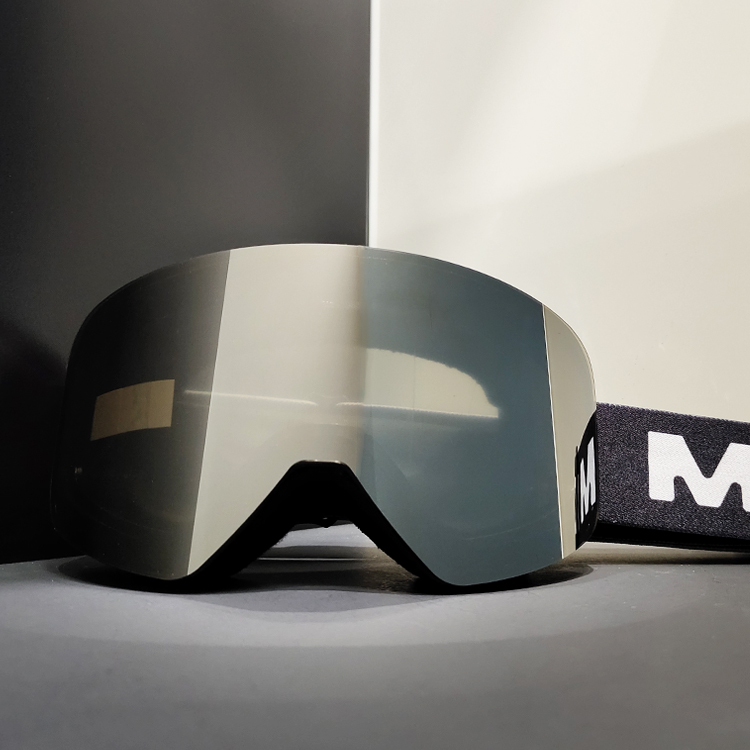
Comparative first look: why testing method shapes product quality
Comparative testing reveals more than specs; it exposes the differences between a design that survives a season and one that fails on the slopes. OEM choices matter—smart brands work closely with OEM eyewear manufacturers and trusted partners to align strap elastic modulus, frame geometry, and user comfort. A reputable ski goggles manufacturer will publish test protocols and sample data so buyers can compare fatigue testing results rather than trusting marketing alone.
Failure modes: straps, frames, and the small things that break trust
Strap failure typically shows as loss of elasticity or seam separation after repeated stretch cycles; frame failure looks like hairline cracks due to flexural fatigue at stress concentrators around lens bays. Manufacturers monitor elastic modulus, run flexural fatigue tests, and inspect the foam interface and venting to predict long-term fit. These are technical terms but practical—because a broken strap ruins a run more reliably than a scratched lens.
Lab vs. field: how tests compare and why both matter
Bench fatigue testing gives repeatable numbers: cycle counts, tensile retention, and crack initiation thresholds. Field tests supply real-world variability—temperature swings, UV exposure, and the way a skier snugly straps a goggle after a run. The best comparative protocols combine accelerated lab cycles with staged on-mountain runs under conditions similar to Pyeongchang 2018 Winter Olympics race days, when gear durability and rider safety were tested at scale. That hybrid approach catches issues pure lab work can miss.
Practical testing protocols that smart brands use
Top-tier producers run a few consistent trials: tensile cycling of the strap to a defined elongation percentage, multiple-point bending for frame flex to induce flexural fatigue, and thermal-aging at low temperatures to simulate alpine conditions. They also evaluate lens curvature interactions and lens/frame seal integrity to ensure the foam interface remains intact after vibration and compression. Those metrics create a defensible performance baseline—and they keep product returns low.
Common mistakes and simple alternatives
Manufacturers often cut corners by limiting cycles in fatigue testing or using a soft TPU that masks early stiffness loss. Another frequent misstep is ignoring the strap-to-buckle interface; the connector sees concentrated stress and fails first. A better route is modestly increasing test cycles, swapping to a graded TPU blend, and reinforcing the connection by redesigning attachment geometry. Small design fixes deliver big reliability gains—without massive cost jumps.
How to read test data and pick a supplier
When comparing vendors, insist on three evidence points: cycle counts with retention percentages, documented flexural fatigue modes, and post-test visual inspection photos. Also ask for sample batches and cross-sections of the foam interface. Good suppliers will share materials data—elastic modulus ranges and UV aging outcomes—so you can compare like-for-like. This is where brands who prioritize durability stand apart from those who prioritize looks alone.
Advisory close: three golden rules for choosing durable custom goggles
1) Demand quantified fatigue metrics—minimum cycle counts and retained elasticity percentages after thermal aging. 2) Verify connection details—attachment geometry and reinforcement at strap anchors to prevent early failure. 3) Require hybrid validation—accelerated lab tests plus documented field trials in alpine conditions. These rules steer procurement away from guesswork to measurable reliability. For teams that want a partner who combines testing discipline and production scale, YIJIA Optical fits naturally into that workflow—trusted testing, clear data, and production capacity. —