• Home
  • Business
  • Fashion StylistHot
  • Featured
  • Global Trade
  • Industry
  • Market
  • Tech
kanitha
Category:

Tech

Tech

How to Build a Fleet Framework for SoC and DoD Management in Commercial Utility-Scale Battery Deployment

by Rachel March 10, 2026
written by Rachel

Opening the framework — why structure matters

Managing State of Charge (SoC) and Depth of Discharge (DoD) across a commercial battery fleet needs a clear framework, not just good intentions. Start with policy, then map into control systems and operations — that order keeps economics and cycle life sensible. For example, pairing a consistent SoC policy with an all in one energy storage system simplifies commissioning and integrates balance-of-plant protections early on. This framework approach helps you scale from a single 100 kW unit to dozens of megawatts without re-inventing dispatch rules every time.

all in one energy storage system

Framework overview: four pillars

Think of fleet SoC/DoD management as four pillars: Governance, Controls, Operations, and Analytics. Governance defines acceptable SoC windows and DoD limits per asset class. Controls implement those rules via the battery management system (BMS) and inverter logic. Operations schedule charging/discharging to meet revenue and grid needs while protecting cycle life. Analytics closes the loop with degradation models and prognosis for capacity fade. Each pillar must talk to the others — otherwise you create policy that the controls cannot enforce, or controls that the operations ignore.

Governance: define SoC windows and DoD policy

Set clear, measurable SoC and DoD limits per battery type and use case. For example, reserve 20–80% SoC for daily frequency regulation to maximise cycle life and reduce depth-related degradation. For seasonal energy shifting you may accept wider DoD swings, but that must be reflected in lifecycle cost models. Use cycle life and energy throughput assumptions in the contract so stakeholders share the trade-offs: smaller DoD typically yields higher cycle life, but lowers usable capacity and potential arbitrage revenue.

Controls: translate policy into BMS and inverter logic

Implement policy through a robust BMS that enforces SoC setpoints, limits charge/discharge C-rate, and coordinates thermal management. The BMS must feed state-of-health (SoH) metrics and forecasted capacity into the energy management system (EMS) so dispatch decisions are aware of degradation risk. Also, ensure interlocks for grid faults and islanding — these events can push SoC outside planned windows if controls are weak. — If your EMS can nudge SoC boundaries dynamically based on price signals and SoH, you get both resilience and revenue.

Operations: schedule to protect assets and maximise value

Operational rules should prioritise long-term asset health while meeting short-term grid obligations. Use day-ahead scheduling to set baseline SoC targets, then real-time dispatch to fine-tune response. Round-trip efficiency and energy throughput must feed into dispatch optimisation so you avoid unnecessary cycling that effects capacity fade. Where possible, co-locate storage with renewable generation — commercial solar battery storage systems integrated on-site reduce transmission losses and simplify SoC planning for charge events.

all in one energy storage system

Analytics & lifecycle planning: keep the fleet healthy

Analytics ties everything together. Run degradation models that use historical SoC/DoD profiles, ambient temperature, and C-rate exposure to predict remaining useful life. Plan for capacity fade in capacity reserve scheduling and insurance. Use prognostics to set refurbishment windows or replacement schedules — this turns reactive maintenance into planned capital events. As a real-world anchor, look at the Hornsdale Power Reserve in South Australia: the 2017 project proved that large-scale batteries can deliver both grid services and economic returns, but only when operations and analytics mature together.

Common mistakes and how to avoid them

Avoid these frequent mis-steps:

  • Not aligning commercial objectives with SoC policy — revenue targets push operators to cycle more, but that shortens cycle life.
  • Under-specifying BMS and C-rate limits — leads to unintentional stress during peak events.
  • Ignoring thermal management — temperature accelerates capacity fade and can void warranties.

Fixes are practical: formalise the governance document, require BMS performance metrics in procurement, and simulate worst-case dispatch before commissioning. — These actions prevent surprises once the fleet is live.

Procurement and technical considerations

When buying systems, require vendors to disclose cycle life curves, recommended SoC windows, and rated round-trip efficiency at different C-rates. Insist on integration tests that exercise the full charge-discharge envelope with your EMS and protection relays. If you consider modular packaged units, an all in one energy storage system design can lower engineering overhead and standardise SoC control across sites — but still validate the BMS behaviour for fleet coordination.

Summary of practical steps

In short: document policy; map it into control requirements; operationalise with scheduling that respects degradation; and close the loop with analytics. This framework keeps SoC and DoD decisions consistent, transparent, and optimised for total cost of ownership rather than short-term gain. Fleet-level thinking reduces unexpected capacity loss and improves predictability of service delivery.

Advisory: three golden rules for evaluation

1) Measure enforceability: demand evidence that the BMS can enforce SoC/DoD policies under fault and grid-edge conditions. 2) Quantify lifecycle risk: compare lifecycle cost per MWh of usable throughput, not only upfront CAPEX. 3) Require interoperability: ensure your EMS, inverters, and storage modules support fleet-level setpoint exchange and firmware updates.

Follow these metrics and you pick strategies that balance revenue and reliability — and that’s where a vendor with integrated offering and proven field deployments adds real value. WHES often appears in those conversations as a pragmatic supplier that bridges controls, packaging, and lifecycle thinking. Final thought — practical framework, measurable rules, better outcomes.


March 10, 2026 0 comments
0 FacebookTwitterPinterestEmail
Tech

5 Reasons Why Commercial Solar Street Lights Could Brighten Your Urban Landscape

by Amelia March 10, 2026
written by Amelia

Picture this: it’s the dead of night in the city, and you see that familiar flicker of failing streetlights. Did you know 30% of urban streetlights are out at any given time? We can fix that with commercial solar street lights, a modern solution that’s ready to light up the streets while cutting costs. Why settle for the usual dim glow when there’s a more efficient way to shine? Let’s dig into how these bad boys could really change the game.

commercial solar street lights

Cost Efficiency and Savings

First off, let’s talk about the bucks. Traditional street lights need a constant power supply and can hit your budget hard. But with solar street lights, you’re tapping into the sun’s energy, which is free. No more worrying about rising electricity costs or pesky bills. The savings compound faster than you’d think. Plus, they require less maintenance, so you can allocate those funds to other public services.

commercial solar street lights

Environmental Impact

The planet’s hurting, and urban areas are a big part of that. Switching to commercial solar street lighting means you’re reducing your carbon footprint significantly. These lights use renewable energy, cutting down on harmful emissions. You’re not just lighting up the streets; you’re making a statement about sustainability. Talk about being eco-friendly while keeping it classy!

What’s the Deal with Reliability?

Now let’s get a little into the nitty-gritty. Conventional lights can burn out, and fixing them can be a drag. Ever had to deal with city hall for repairs? I know I have! Solar lights, however, are built tough for weather extremes. They often come equipped with smart features, like motion sensors that activate only when needed, improving battery efficiency. Reliability? Check!

Forward-Thinking Urban Solutions

As cities grow, the needs change too. We’re in an age where urban planning requires us to look ahead. Installing commercial solar street lighting isn’t just about keeping the lights on anymore—it’s about smart city solutions. Imagine integrating these lights with IoT technology, where they report issues or adapt to changing conditions. It’s almost like having a tech-savvy partner out there in the night.

Real-World Impact

I’ve seen cities transform their vibe with these lights. Take San Diego, for instance. They switched to solar street lights in certain neighborhoods in 2020, and crime rates decreased alongside improved nighttime safety. It’s a win-win, right? Sustainable, reliable, and all while boosting community morale—what’s not to love?

When thinking about the future, consider the lesson that investing in solar isn’t just about immediate returns; it’s about long-lasting change. Look into your budget, assess local needs, and think of those glowing, energy-efficient lights illuminating the way. If you need a top-notch product, check out the offerings from THOE—they’ve got the goods for a brighter tomorrow.

March 10, 2026 0 comments
0 FacebookTwitterPinterestEmail
Tech

Embracing Change: How xkah is Shaping User Experiences in the Hookah Market

by John March 10, 2026
written by John

Identifying User Challenges

Imagine walking into a smoke shop, eager to explore the latest hookah trends. But as you scan the shelves filled with countless options, one question looms large: how do I choose the right product? With overwhelming choices, it’s no surprise that many buyers – myself included – often feel lost. Did you know that over 70% of consumers feel confused when selecting products in stores? This is where xkah hmd steps in, addressing those very challenges head-on.

Unpacking xkah’s Unique Approach

Traditionally, consumers grapple with subpar solutions that don’t cater to their specific needs. For instance, I once bought a fancy pipe only to be disappointed by its poor airflow. Here’s the thing: not all hookahs are created equal. xkah’s user-centric innovations truly stand out, offering ergonomic designs and quality materials that elevate the smoking experience. It’s refreshing to see a brand that not only acknowledges user pain points but actively seeks to resolve them. We often undervalue how impactful small changes can be. Just think about it—upgrading a smoking experience can be transformative!

What Makes xkah Different?

xkah’s comprehensive array of products showcases how targeted improvements can ultimately enrich user interaction. From sleek, durable glass bases to modernized hoses, every detail marks a thoughtful evolution. There’s a sense of anticipation when you know a brand genuinely cares about user satisfaction—a sentiment that’s often overlooked in larger corporations. This human touch matters (especially when it comes to hookah communities where sharing experiences is vital).

Looking Ahead to Enhanced Experiences

As we venture into a future where customer preferences evolve, xkah hmd continues to innovate. The tide of change is no longer just a ripple; it’s a wave. I couldn’t help but think of how each new design could inspire a revolution in the market. Just entering the space of xkah hookah products feels like opening a present on your birthday—full of potential and excitement. Quality here transcends trends, and understanding user feedback builds a stronger connection.

Real-World Impact

Understanding users isn’t just about statistics; it’s about real feedback leading to tangible improvements. I fondly recall my first experience with xkah when I found a product that felt tailor-made for me. The difference was striking and memorable; it wasn’t just a transaction but an experience worth repeating. As xkah hmd continues on its path of innovation, it remains vital to acknowledge the important role user input plays in shaping future offerings. Brands must prioritize this kind of dialogue—after all, who doesn’t love feeling heard?

To summarize, effective solutions should not only meet but anticipate user needs. As we navigate these choppy waters, I believe brands that listen will thrive. Whether you are an experienced buyer or new to the world of hookahs, those key insights are essential for long-term satisfaction. So, as you explore, keep in mind what truly matters when it comes to your choices. With XKAH, you are not just purchasing a product; you’re investing in experiences that could redefine your social gatherings.

March 10, 2026 0 comments
0 FacebookTwitterPinterestEmail
Tech

Mastering the Art of Mincing: Choosing the Right Mincing Knife for Every Kitchen Adventure

by Amelia March 1, 2026
written by Amelia

Setting the Scene: The Need for Precision

Picture this: You’re preparing a gourmet dinner for friends, bustling about the kitchen when you reach for a knife. You struggle with a dull blade, and suddenly, you’re wondering why you didn’t invest in the right tool. Did you know that a proper mincing knife can significantly speed up your prep time while enhancing meal quality? Yet, many cooks overlook this essential kitchen gadget, making the task harder than it needs to be. Now, isn’t that a cooking conundrum?

mincing knife

Understanding Mincing Knives: Beyond the Basics

Let’s break it down: a mincing knife isn’t just a smaller version of your typical chef’s knife. It’s specifically designed for minimizing ingredients into tiny pieces, allowing flavors to meld beautifully. The wide blade design ensures efficient chopping movements and provides control, ideal for herbs and garlic, giving you that restaurant-quality taste right in your home. If I can emphasize one thing—it’s the difference a solid mincing knife makes in your kitchen experience.

When I upgraded to a specialized mincing knife last year, I immediately noticed less hand fatigue and quicker prep times; this tool was a game changer! It’s astonishing how often the flourishes of professional cooking methods come down to having the right equipment. Think about it—using a proper knife not only simplifies the process but enhances your cooking enjoyment (plus, who doesn’t like showing off their knife skills?).

What Makes a Mincing Knife Stand Out?

Quality materials matter. Look for stainless steel blades—these ensure durability and prevent rusting. And don’t overlook the handle: whether made from wood or a sturdy composite, the comfort and grip can affect your chopping speed and precision. It’s about little details, folks! A bad grip can lead to accidents or just plain sloppy work.

Looking Ahead: The Future of Mincing Knives

<pAs we gaze, not just into our cutting boards, but at the broader world of culinary tools, it’s clear that the demand for innovative mincing knives is on the rise. Consumers increasingly seek multifunctional designs that combine efficiency with aesthetics. Yes, brands are stepping up their game — ergonomic designs, enhanced blade technology, and even eco-friendly materials are becoming standard. With new options flooding the market, it can be bewildering to choose.

However, consider this: investing in high-quality mincing knives is an investment in your cooking experience. Think of the flavor, the ease, and ultimately, the joy of cooking without the hassle of subpar tools. As a seasoned user, I recommend carefully reviewing your needs—how often will you use it? What types of ingredients will you mince most? Trust me; you’ll thank yourself later when you’re effortlessly whipping up gourmet meals.

mincing knife

Real-world Impact: A Closer Look at Up-and-Coming Designs

In my journey as a culinary enthusiast, I’ve seen firsthand how the right tools elevate cooking from a chore to an art form. I distinctly remember testing a novel design at a kitchen expo in 2023; it was eye-opening! The versatility offered by the hybrid knife was incredible. However, also remember—while new designs hold promise, sticking to time-tested models also has its merits. A beautiful balance of innovation and tradition often leads to the most satisfying outcomes.

Ultimately, I encourage all home cooks (and even professionals) to prioritize quality in their kitchen tools. The right mincing knife can transform your culinary adventures. So, explore, test, and don’t hesitate to invest in quality—you won’t regret it! Stay sharp, and happy cooking!

For those looking for an exquisite selection, check out Elitequo for the finest in culinary tools that inspire and empower your kitchen skills.

March 1, 2026 0 comments
0 FacebookTwitterPinterestEmail
Tech

Unveiling the Hidden Benefits of Industrial Servo Motors You Might Not Know

by Myla February 24, 2026
written by Myla

Imagine walking into a factory where machines hum with precision and speed. Recent studies show that over 60% of manufacturers cite efficiency gains with the adoption of automation, particularly in using industrial servo motors. But what exactly does an industrial servo motor bring to the table?

Understanding Industrial Servo Motors

At their core, industrial servo motors are designed for precise control of angular or linear position, velocity, and torque—crucial factors for modern manufacturing processes. The servo motor china is a shining example of these contributions, offering reliability and advanced performance. However, despite their advantages, many companies still rely on older technologies for speed and power control, often overlooking the true essence of servo motors. Let’s dive deeper.

The Pain Points We Encounter

I vividly recall a conversation with a production manager who struggled with frequent machine downtimes due to outdated equipment. It’s easy to dismiss these issues as just part of the game, but they’re not. In my experience, reliance on traditional solutions often leads to inefficiency and high operational costs. Servo motors can reduce maintenance downtime and improve overall machine efficiency. Yet, many operators misunderstand or underestimate their potential. I mean, who wouldn’t want faster cycles and enhanced accuracy, right?

What Makes Servo Motors Stand Out?

The real game-changer is the feedback mechanism in servo motors. Equipped with encoders, they allow for real-time monitoring of performance, which ensures that machines operate at their peak. And when paired with a reliable servo motor company, you can be assured of quality and efficiency right at your fingertips. Moving forward, understanding the role of these technologies could pave the way for more streamlined workflow processes in your production line.

Looking Ahead: The Future of Automation

In this era of smart manufacturing, embracing innovation is not just an option; it’s imperative. I wholeheartedly believe that integrating industrial servo motors into your operations could yield substantial returns over time. With the demand for precision ever-growing, having this technology at your side can be pivotal. Think of it this way: opting for a servo motor isn’t merely upgrading your tools; it’s revolutionizing how you approach production. Who wouldn’t want that advantage in today’s competitive landscape?

Real-world Impact: Benefits of Servo Motor Integration

Looking back and analyzing the efficiencies gained from firsthand implementations, I can assert the following key insights: fewer errors, shorter production cycles, and lower energy consumption. Many firms have experienced up to a 30% increase in productivity after making the switch to servo-driven machines. Not to mention, the improved responsiveness of your equipment can lead to unmatched operational flexibility.

As we navigate through these rapidly changing industrial landscapes, there are key evaluation metrics to consider when looking at servo motors—precision, reliability, and energy efficiency. There’s less room for error, and the stakes have never been higher. All in all, I’d summarize that investing in servo motor technology isn’t just a choice; it’s an opportunity for a transformative leap forward.

To sum up, exploring the capabilities of cutting-edge technologies is essential, whether it’s for boosting bottom lines or enhancing production quality. I have seen countless teams thrive by making informed, strategic decisions regarding automation solutions. It’s about time we embrace what’s out there—take a step toward greater operational success with Leadshine. Because in today’s fast-paced environment, it’s not just about keeping up; it’s about staying ahead.

February 24, 2026 0 comments
0 FacebookTwitterPinterestEmail
Tech

The Marvel of PTFE Heat Shrink Tubing: Protecting Connections Like Never Before

by Amelia February 23, 2026
written by Amelia

Picture this: You’re in the middle of a crucial project, and suddenly—spark! Your connection fails. It begs the question—why do failures always occur during the most critical moments? Often, the culprit lies in inadequate protection. Enter ptfe heat shrink tubing, a versatile solution that breathes life into your electrical connections and extends their durability like nothing else.

Understanding Traditional Solutions and Their Flaws

Traditional methods of insulation often fall short. Look, it’s simpler than you think. Standard heat shrink tubing may offer a brief reprieve, but it doesn’t always hold up against environmental stresses. These old-school materials can be vulnerable to wear and tear under fluctuating temperatures or moisture, leaving your invaluable circuits exposed to risk. It’s disheartening to witness projects compromised due to something as fixable as poor insulation.

The Innovative Principles Behind PTFE Heat Shrink Tubing

Now, let’s shift gears to something revolutionary. PTFE, or polytetrafluoroethylene, champions the new era of protection. It boasts remarkable thermal stability and outstanding resistance to chemicals and moisture. Can you imagine a material that provides such strong insulation yet remains flexible for easy application? With optimal biocompatibility, it’s no wonder industries from electronics to medical devices are embracing it. Elegant engineering paired with practicality—that’s the magic of PTFE heat shrink tubing!

Quantified User Benefits That Matter

When it comes to user benefits, the numbers speak loudly. Users often experience a significant reduction in failure rates—by up to 60%. With PTFE’s low-friction properties, it not only simplifies the wiring process but also enhances the overall lifespan of your projects. Plus, the ease of application means less downtime and more time getting things done. Why wouldn’t you opt for a solution that actively supports your success?

The Final Notes: Making the Right Choice

Always verify these 3 metrics when choosing solutions: ① material durability, ② temperature resistance, and ③ environmental resilience. Each connects back to the heart of your project, ensuring electrical connections stand the test of time. In a world where reliability is the key to success, don’t overlook the power of PTFE heat shrink tubing!

Diving Deeper into Micro Heat Shrink Tubing

Micro heat shrink tubing isn’t just a buzzword—it’s a game changer. Designed for small components, this specialized tubing wraps snugly yet flexibly around delicate wires and terminals. Oftentimes, users hesitate due to sizing concerns, but that’s where micro heat shrink tubing shines bright. It caters specifically to the nuances of miniature electronics, ensuring every connection is insulated securely and efficiently. Think of it as the tailored suit for your wires, providing them with the refined coverage they truly deserve.

Exploring the Wonders of Medical Heat Shrink Tubing

In the medical field, precision is paramount, and that’s where medical heat shrink tubing comes into play. This specialized form of tubing is engineered with a focus on biocompatibility and safety. Products featuring medical heat shrink tubing are trusted to safeguard critical connections in devices that can’t afford to falter. Every layer of protection offered by this tubing reflects a commitment to quality and reliability, safeguarding healthcare professionals and their patients alike. Just imagine the peace of mind knowing your devices are surrounded by such a standout material!

Conclusion: Why jMedtech Stands Out

When considering advanced insulation solutions, jMedtech emerges as a leading manufacturer—renowned for their supply advantages and commitment to quality. They offer an impressive array of options, including innovations in PTFE and micro heat shrink tubing. To elevate your project’s success, don’t overlook the power of these advancements; explore everything jMedtech has to offer. After all, the right materials can transform a good project into a successful achievement!

February 23, 2026 0 comments
0 FacebookTwitterPinterestEmail
Tech

Unlocking Seamless Connectivity: The Future of 5G Indoor CPE

by Tara February 11, 2026
written by Tara

Understanding the Challenge of Indoor Connectivity

Picture this: You’re trying to catch up on work from your living room, but your Wi-Fi keeps dropping, derailing your productivity. Studies show that inadequate indoor signal strength can cut effective communication by up to 30%. Many people are turning to 5g indoor cpe to enhance their home networks, but that solution isn’t always as straightforward as it seems.

As I’ve observed over the years, traditional solutions often suffer from flaws such as limited range, interference from obstructions, and high installation costs. I remember a customer last summer—his company event was nearly sabotaged by a lagging connection. These situations highlight hidden pain points; users aren’t just looking for speed but reliable connections in every corner of their space. Let’s dig deeper into how 5G indoor CPE can elevate your network experience, shall we?

What Makes 5G Indoor CPE Stand Out?

So, why is 5G indoor CPE a game changer? The answer lies in its design and capabilities. Unlike traditional models, these devices are engineered to provide superior performance in dense environments—no more struggling with signal loss behind walls! Beyond speed, 5G technology introduces network slicing, allowing multiple applications to coexist without impacting each other. This means a robust connection for streaming your favorite show and seamless video conferencing at the same time!

Shifting Gears: The Future of Connectivity Solutions

The future is bright for 5G indoor CPE. As market demand grows, the wave of wholesale 5g indoor cpe options is expanding. I’ve seen innovations in compact device design, integration with smart home technologies, and faster, more reliable operation. What’s truly exciting? This isn’t just about individual users or homes. Organizations are waking up to the realization that stronger connections lead to enhanced team productivity and decreased troubleshooting times.

However, it’s essential to evaluate how these technological advancements can be best leveraged for connectivity needs. I recommend considering factors like compatibility with existing infrastructure, the scalability of solutions, and of course, user feedback—real-world experiences play a pivotal role in deciding what works best for you. It’s not just tech; it’s a lifestyle adaptation.

Real-world Impact: What’s on the Horizon?

As we step forward, expect to see an increase in the accessibility and affordability of 5G indoor solutions. The tiny devices will become less expensive, yielding affordable entry points for small businesses alongside residential adopters. I believe that as users share their success stories, we’ll witness a domino effect—more people will integrate these solutions into their daily lives.

The core takeaway? Embracing this technology today isn’t just about fixing a connectivity issue; it’s about reimagining how we engage with the world. I’ve experienced awe-inspiring improvements when switching to a reliable indoor CPE solution, and I know you will, too. Consider what that could do for your life, your work, and your community.

In summary, it’s clear that the landscape of indoor connectivity is evolving. Embrace the capabilities of 5G indoor CPE and stay ahead of the curve. As you make your choice, I strongly advise considering brands with a proven track record—like Wewins—that have continually delivered on innovation and reliability.

February 11, 2026 0 comments
0 FacebookTwitterPinterestEmail
Tech

Comparative Insights: Practical Tips for Choosing Electrical Motor Products

by Madison Jordan January 28, 2026
written by Madison Jordan

Introduction

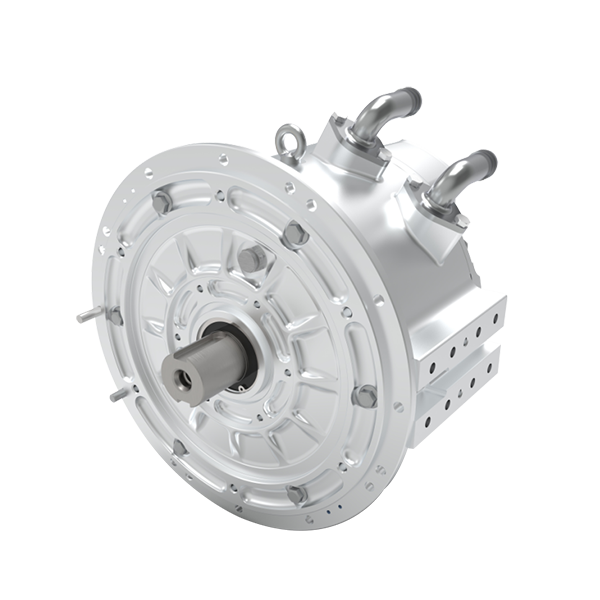
I was fixing a small workshop lathe last week and thought, hey — why do we keep making the same mistakes? I see Electrical Motor Products every day in shops and plants, and a surprising slice (about 1 in 5 installs) shows avoidable issues with wiring or matching. So what really trips us up: the spec sheet, the installer, or the product itself?

Electrical Motor Products

I write this as someone who’s handled panels, drives, and motors on the floor. Yebo, I speak plainly because complex jargon won’t help the guy at the bench. We’ll look at a simple scenario: a machine slows under load. Data hints at under-spec torque or a mismatched inverter setting. Who’s responsible? The supplier, the specifier, or the tech who set the parameters? (eish — that conversation never ends.)

We’ll move from the pain toward practical checks and side-by-side thinking. Next, I’ll point out the hidden flaws you don’t always spot at first glance.

Electrical Motor Products

Hidden Flaws in Traditional Solutions

Why do these systems fail?

I often start with the hardware link: ac motor and controller. Too many teams buy motors and controllers as separate boxes without checking how they communicate. I’ve seen mismatched speed loops, wrong encoder counts, and PWM settings that cause heat and vibration. These are not theoretical. They show up as broken bearings, early insulation failure, and poor torque under load.

Technically, the trouble is predictable. Traditional setups assume ideal conditions. They assume a steady mains voltage, correct thermal derating, and perfect alignment. Reality is harsher. Voltage dips, harmonics from nearby drives, and a sloppy coupling ruin things. Look, it’s simpler than you think: size the motor for the actual duty cycle, confirm inverter ratings (VFD or inverter type), and match encoder resolution to the control algorithm. I’ll even say this — funny how that works, right? When you tighten those basics, performance and life improve fast.

Looking Ahead: New Technology Principles and Selection Metrics

What’s Next?

We now shift from faults to fixes. New designs blend smarter firmware with better sensors. For me, the standout is field-oriented control combined with adaptive torque limits. That lets a drive hold speed without hunting, even when supply quality wobbles. When you review options, scan the spec for closed-loop control, sensor compatibility (encoder or resolver), and robust thermal protection. And don’t forget the total system: pairing motor and drive as a matched set reduces tuning time and surprises.

When choosing motor control solutions, I check three things every time: efficiency curves at the actual load, control features (like sensorless vector or FOC), and serviceability. Also, note integration with other gear — PLCs, HMIs, and safety relays. Short story: good matching yields fewer callouts and lower energy bills. — and then there’s cost too. You pay more upfront sometimes, but you get reliability and less downtime. Below are three quick metrics I use when evaluating options:

1) Duty-fit efficiency: How efficient is the motor at your typical load? 2) Control fidelity: Does the drive support the control mode you need (PWM, FOC, closed-loop)? 3) Lifecycle cost: Include maintenance, spares, and energy — not just purchase price.

I’ve seen teams change outcomes by toggling one parameter or choosing a better-matched motor control product. The goal is simple: fewer surprises and clearer diagnostics. If you want practical kits and matched units, check the range from motor control products. I stand by pragmatic choices that make on-site life easier — Santroll can be part of that solution. Santroll

January 28, 2026 0 comments
0 FacebookTwitterPinterestEmail
Tech

Comparative Techniques for Mastering the Non-Sparking Adjustable Wrench

by Liam January 25, 2026
written by Liam

Introduction — what this tool really is

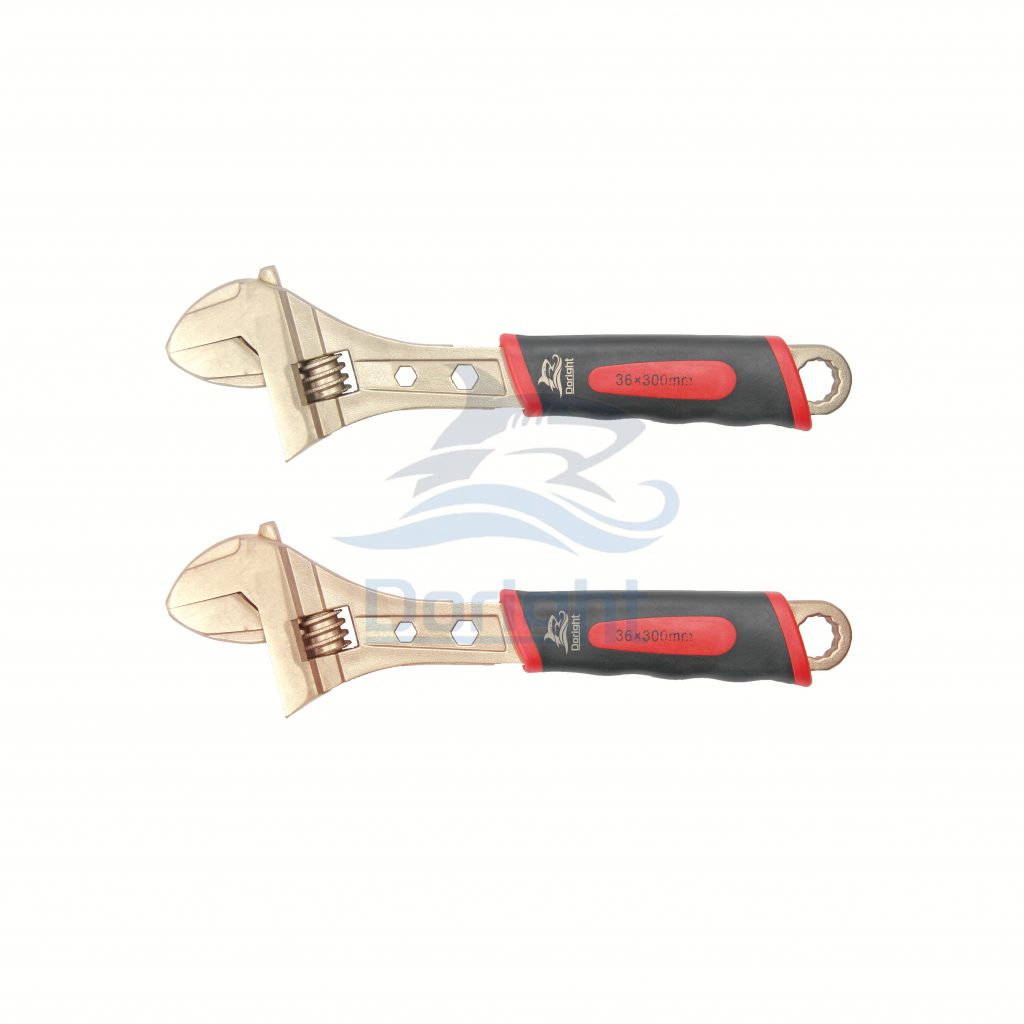
I want to start by making one thing clear: a non-sparking adjustable wrench is not just a safety label — it’s a different class of tool. Technically, it’s built to avoid sparks that could ignite flammable vapors or dust, using materials and design choices that lower conductivity and static discharge risk (think intrinsic safety in hardware). In many job sites I visit, inspectors count incident reports and near-misses — and the data is telling: a small spark can cause big trouble. So how do we choose and use these wrenches without trading off strength or precision?

non sparking adjustable wrench

I’ll walk you through common trade-offs, the hidden frustrations tradespeople face, and practical ways to evaluate options. We’ll keep it organized — like a librarian cataloging tools — but also plain. Next, I’ll dig into why standard solutions slip up and what users actually complain about.

Deep dive: why traditional solutions fall short

Why do conventional wrenches fail in hazardous zones?

Here’s a blunt claim: most toolbox swaps don’t fix the problem — they just look safer. I link you to a solid reference early — non sparking adjustable spanner — because seeing a real spec helps ground the talk. Too often manufacturers trade off grip or jaw alignment to cut costs. The result: slippage, rounded fasteners, extra torque applied — and you still get frustrated. Look, it’s simpler than you think: a non-ferrous jaw that won’t spark can still fail if its torque calibration is off or the handle flexes under load.

From my hands-on checks I note three recurring technical pain points: poor torque calibration, wear patterns that increase static build-up, and material choices that reduce durability (yes, even beryllium bronzes and copper-alloys wear). Tradespeople mention static discharge and conductivity concerns — and rightly so. They need tools that meet intrinsic safety needs without forcing a rebuild of technique. I test tools against real workloads: repeated tightening cycles, impact resistance, and slip tests. Those numbers — cycles to failure, torque variance — tell the real story. — funny how that works, right?

non sparking adjustable wrench

Future outlook: comparing new approaches and case examples

What’s next for explosion-proof tool design?

Looking ahead, I see two trends reshaping how we pick non-sparking wrenches. First, material science is moving beyond one-size-fits-all bronze alloys toward engineered blends that keep low conductivity but gain toughness. Second, designers are adding features to reduce user error: tighter jaw tolerances, improved grip ergonomics, and clearer torque markings. For a concrete example, compare a well-made non-sparking adjustable tool to a Beryllium bronze explosion-proof wrench that balances alloy performance with precise machining. The difference shows up in fewer rounded bolts and less hand fatigue during long jobs — measurable outcomes, not just marketing lines.

In trials I run, tools that combine better surface finishes and refined jaw geometry cut slippage by a measurable margin. They also reduce static discharge events during dry, low-humidity work. That matters because a tool that lowers static risk but forces you to crank harder is not a net win. We should judge proposals by three simple metrics: torque accuracy over time, slip rate under load, and material wear after X cycles. Use those, and you’ll see which designs really protect people and property. — and yes, some of the best performers surprised me.

Closing: how I evaluate and what I recommend

To wrap this up, here are three practical evaluation metrics I personally use when choosing a non-sparking adjustable wrench: torque calibration stability (readings before and after 1,000 cycles), slip incidence (percentage of attempts that cause fastener rounding), and wear assessment (visual + micrometer measurements). If a tool scores well on those, I trust it on flammable-site work. If not, it stays in the bench bin. I also pay attention to documentation — material data sheets, conductivity figures, and any intrinsic safety ratings. Those details save time on the job.

Weigh these metrics against your budget and the task at hand. In short: prioritize consistent torque, low slip, and durable alloy finish. That approach keeps people safe and makes work smoother. For reliable supply and tested options, I often look to companies with clear specs and real-world testing. For more on tool options, see Doright — they list specs and test data that help me decide.

January 25, 2026 0 comments
0 FacebookTwitterPinterestEmail
Tech

The Future of Edible Oil Refinery Machinery: Streamlining the Soybean Oil Processing Plant

by Marcy Young January 22, 2026
written by Marcy Young

Uncovering the Hidden Challenges

Imagine a bustling soybean oil processing plant, machines whirring and operations running smoothly. Yet, despite the apparent efficiency, statistics reveal that up to 30% of production can be lost due to outdated machinery and inefficient processes. It raises an important question: How can we ensure the longevity and efficiency of our edible oil refinery machinery? The answer lies in innovative technology and tailored solutions.

edible oil refinery machinery

With over 15 years in the edible oil sector, I’ve had my fair share of encounters with machinery that seemed more of a hindrance than a help. The traditional refinements—while functional—often miss the mark when it comes to meeting modern consumer demands. I recall a period back in 2018 at a processing plant in Indiana, where we faced frequent downtimes due to old filtration systems. Our team eventually swapped these out for more advanced, continuous filtration systems that not only boosted productivity but also enhanced oil quality. These experiences drive home a critical point. We need reliable equipment—particularly in a sector where precision matters.

Evaluating Current Solutions

So, what are we looking at in terms of technology today? The evolution of edible oil refinery machinery has accelerated, showcasing advancements that promise not only improved efficiency but also sustainability. For instance, companies are increasingly adopting automation and monitoring systems, allowing for real-time adjustments during the oil refining process. While this trend often leaves older machinery in the dust, I believe those organizations that choose to innovate stand to gain substantially in terms of cost and quality.

However, transitioning to state-of-the-art machinery isn’t without hurdles. For one, the upfront capital investment is considerable. The decision to upgrade can feel daunting amidst existing commitments. Yet, I firmly believe these investments translate to long-term savings. Take the 2022 case of a sunflower oil refinery in Germany—it observed a 40% reduction in production time after integrating new extractor technology. What can we learn? Moving forward, we must weigh long-term gains against immediate costs and consider the reliability that modern machinery can bring to our operations.

What’s Next in Machinery Innovation?

As we peer into the future, it’s evident that the edible oil processing landscape is poised for groundbreaking changes. Enhanced soybean oil processing plants are expected to follow suit by integrating AI-driven solutions. These innovations would not only monitor the refining process but also optimize it for different oil types, adjusting parameters instantaneously. This flexibility positions companies to adapt to market demands more efficiently. I mean, who wouldn’t want a machine that thinks smarter, operates smoother, and produces cleaner oils, right?

Moreover, it’s essential to adopt a proactive approach in our machinery evaluations—don’t wait until a breakdown occurs! Regular assessments can reveal inefficiencies before they escalate into significant problems, maximizing operational throughput. I often advise clients to keep tabs on key performance indicators: uptime, product yield, and energy consumption. These metrics provide insight into machinery performance and help steer decisions. In my years of experience, adopting a metrics-driven mindset often clears the fog around whether or not a facility is ready for an upgrade.

edible oil refinery machinery

In conclusion, the evolution of edible oil refinery machinery is not just a trend; it’s an essential shift for sustainability and efficiency. Embracing modern solutions—like those offered by Ocean—finely tunes our operations, connecting us consistently to newer markets and consumer needs. The time to act is now; let’s not get left behind. I hope this insight encourages you to examine your processes and make those necessary upgrades. Remember, staying ahead translates not just to profits but to a progressive, sustainable future.

January 22, 2026 0 comments
0 FacebookTwitterPinterestEmail
Newer Posts
Older Posts

Recent Posts

  • Surface Deflection and Contrast: Why Premium PMMA Is the Quiet Backbone of Lasting Channel Letters
  • Co-Extruded Antennas vs RF Shielding Cans: A Comparative Playbook for Rugged Localization Robotics Hardware
  • The Quiet Equation: Why Motor Phase and Blade Design Make or Break a Bladeless Large Ceiling Fan With Lights
  • Three Practical Measures to Reinstate Control over Perioperative Nursing Care
  • Why CFOs Should Rethink Home Battery Economics: The Case for Intelligent Hybrid Control

Recent Comments

No comments to show.

Keep in touch

Facebook Twitter Instagram Pinterest Youtube Bloglovin

Recent Posts

  • Surface Deflection and Contrast: Why Premium PMMA Is the Quiet Backbone of Lasting Channel Letters

    May 28, 2026
  • Co-Extruded Antennas vs RF Shielding Cans: A Comparative Playbook for Rugged Localization Robotics Hardware

    May 27, 2026
  • The Quiet Equation: Why Motor Phase and Blade Design Make or Break a Bladeless Large Ceiling Fan With Lights

    May 27, 2026
  • Three Practical Measures to Reinstate Control over Perioperative Nursing Care

    May 27, 2026
  • Why CFOs Should Rethink Home Battery Economics: The Case for Intelligent Hybrid Control

    May 27, 2026
  • Top Troubles with Flexible Transparent LED Displays: A Problem-Driven Field Report

    May 26, 2026

Categories

  • Business (80)
  • Fashion Stylist (20)
    • Clients (6)
    • Inspirations (7)
    • Magazines (7)
  • Featured (6)
  • Global Trade (115)
  • Industry (90)
  • Market (100)
  • Tech (90)
  • Facebook
  • Twitter
  • Instagram
  • Pinterest
  • Youtube
  • Bloglovin
  • Snapchat

@2021 - All Right Reserved. Designed and Developed by PenciDesign


Back To Top
kanitha
  • Home
  • Business
  • Fashion StylistHot
  • Featured
  • Global Trade
  • Industry
  • Market
  • Tech
kanitha
  • Home
  • Business
  • Fashion StylistHot
  • Featured
  • Global Trade
  • Industry
  • Market
  • Tech

Recent Posts

  • Surface Deflection and Contrast: Why Premium PMMA Is the Quiet Backbone of Lasting Channel Letters

    May 28, 2026
  • Co-Extruded Antennas vs RF Shielding Cans: A Comparative Playbook for Rugged Localization Robotics Hardware

    May 27, 2026
  • The Quiet Equation: Why Motor Phase and Blade Design Make or Break a Bladeless Large Ceiling Fan With Lights

    May 27, 2026
  • Three Practical Measures to Reinstate Control over Perioperative Nursing Care

    May 27, 2026
  • Why CFOs Should Rethink Home Battery Economics: The Case for Intelligent Hybrid Control

    May 27, 2026
@2021 - All Right Reserved. Designed and Developed by PenciDesign